
Chrysoperla rufilabris
Chrysoperla rufilabris
Description
How to identify
Chrysoperla rufilabris, commonly known as a type of green lacewing, belongs to the order Neuroptera and the family Chrysopidae. Adults are characterized by delicate, bright green bodies and prominent, shimmering gold or copper-colored eyes.
The wings of the adult are transparent with a dense network of veins, giving them a lacy appearance. Adult body length typically ranges from 10 to 15 millimeters, with a significant wingspan that allows for efficient movement across fields.
Larvae possess specialized sickle-shaped mandibles designed for piercing prey and consuming internal fluids. The larval body is often covered in small bristles that serve as camouflage, frequently decorated with debris from their environment.
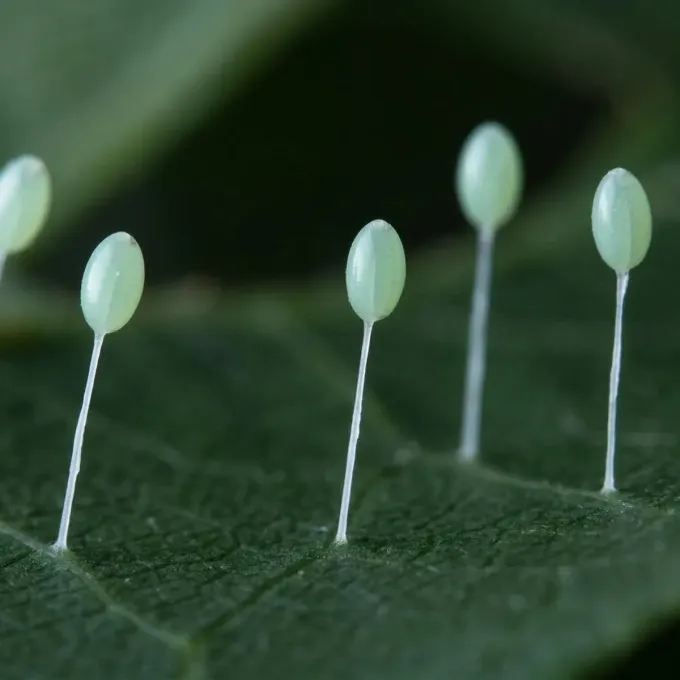
A distinctive feature of this species is the way eggs are deposited on long, elastic stalks. This evolutionary trait protects the developing embryos from predation by other insects and from cannibalism by their own siblings.
While primarily recognized as beneficial biological control agents, their presence in high numbers under specific agricultural conditions warrants monitoring to ensure they do not cause accidental secondary damage to plant tissues.
What it damages
The primary concern regarding damage involves accidental mechanical injury to tender plant tissues, particularly during the search for moisture or nectar by adult insects. Such punctures can compromise the integrity of young shoots.
In high-value greenhouse crops, adults may occasionally damage the skin of thin-skinned fruits. These small wounds provide entry points for secondary bacterial or fungal infections, leading to rot and reduced market quality.
Crops such as tomatoes, peppers, and various ornamental flowers are most susceptible to this type of injury. The resulting necrosis can lead to significant post-harvest losses if the fruit is damaged prior to collection.
Economic damage is often indirect, occurring when the presence of these insects interferes with the health of the plant surface. This necessitates careful observation in operations where phytosanitary standards are strict.
It is crucial to differentiate between damage caused by lacewings and that caused by primary pests, as improper diagnostic procedures can lead to unnecessary and harmful chemical applications that upset the ecological balance.
When it appears
The life cycle commences in early spring as adults emerge from their overwintering sites, which typically include leaf litter, tree bark, or sheltered areas within the farm infrastructure.
Development involves multiple generations per year, depending on local climate conditions. The period from egg to adult is relatively short, facilitating rapid population growth when environmental factors are favorable.
Peak activity generally occurs in mid-to-late summer, correlating with the availability of prey and favorable temperatures. This is the period when agricultural surveillance is most critical for crop protection.
As autumn temperatures decline, the population undergoes a shift in behavior, seeking out protected locations for diapause. During this migration phase, they may congregate in large numbers near structures or storage facilities.
Survival through the winter is a key limiting factor for population density in the following season. Extreme weather conditions can significantly reduce overwintering success, thereby influencing the start of the next cycle.
Control measures
Integrated Pest Management (IPM) is the most effective approach for handling Chrysoperla rufilabris. This strategy emphasizes maintaining ecological equilibrium and avoiding the misuse of broad-spectrum insecticides.
When control is necessary, preference should be given to selective biopesticides or physical barriers that protect the crop without harming the beneficial insect community that supports plant health.
Cultural practices, such as maintaining clean fields and removing excessive weed growth, can help minimize the attractiveness of the area to these insects and reduce potential congregating spots.
Regular monitoring through the use of sticky traps or visual inspections allows for data-driven decisions regarding intervention thresholds, ensuring that action is only taken when strictly required.
- Implementing crop rotation to disrupt insect life cycles.
- Applying low-impact biological control products to manage population spikes.
- Using greenhouse screening to physically prevent adult entry.
- Improving soil nutrient management to enhance natural plant resistance against minor damage.
Taxonomy
- Latin name
- Chrysoperla rufilabris
- Family
- Chrysopidae
- EPPO code
- CHRORU
Discussion
No discussions yet — be the first.