
Harris lacewing
Chrysoperla harrisii
Description
How to identify
The Harris lacewing (scientific name Chrysoperla harrisii) is a member of the Chrysopidae family within the Neuroptera order. These insects are characterized by delicate, clear wings with a dense network of veins and prominent, gold-tinted eyes.
Adults typically have a slender body, measuring approximately 10 to 12 millimeters in length. They possess long, thread-like antennae that are highly sensitive, aiding them in locating food sources and mates within their environment.
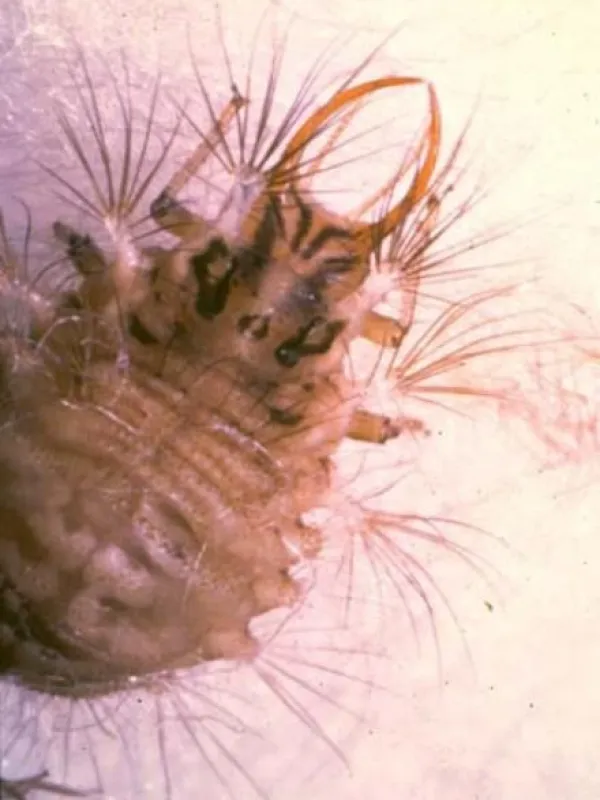
The larvae are spindle-shaped and equipped with formidable sickle-shaped mandibles. They are known for their ability to carry debris, such as the carcasses of their prey, on their backs as a form of camouflage against predators.
Their life cycle consists of four distinct stages: egg, larva (undergoing three instars), pupa in a silken cocoon, and adult. Multiple generations can occur within a single growing season depending on the local climate.
While many lacewings are considered beneficial, this specific species may exhibit herbivorous tendencies, occasionally causing damage to host plants when prey populations are insufficient.
What it damages
This pest is primarily found on fruit trees, including apple, pear, and cherry trees. It can also affect ornamental shrubs and various vegetables in greenhouse conditions.
Damage occurs when the insects feed on soft plant tissues, including young shoots, leaves, and flower buds, causing deformation and physiological stress to the plant.
The feeding activity creates small puncture marks and necrotic lesions on the leaves, which can lead to premature leaf drop and a decrease in photosynthetic efficiency.
In severe infestations, the cumulative damage can significantly stunt plant growth and reduce overall yields, making the crops more susceptible to environmental stress.
The economic impact of this pest is particularly pronounced during dry seasons, as the lack of alternative food sources forces the insects to rely more heavily on plant juices.
Signs of infestation
The most distinctive sign of infestation is the presence of eggs attached to the undersides of leaves or stems by long, slender silken stalks, which protect them from terrestrial predators.
Leaves often display localized yellowing or browning, and young shoots may become curled or stunted, giving the plant a deformed, sickly appearance.
Closer inspection of the foliage often reveals the presence of larvae, which are most active during the cooler parts of the day, moving along the leaf veins.
Small dark spots representing frass (insect excrement) may be visible on the surface of the leaves, indicating the presence of a feeding population.
Flower cluster abortion is another sign of significant larval activity, which directly results in reduced fruit set and lower quality harvest at the end of the season.
Control measures
Effective management begins with regular monitoring using adhesive traps and field inspections to determine the current population density of the pest.
Biological control methods, such as the application of entomopathogenic fungi, are highly recommended to suppress the population without harming beneficial pollinators and natural predators.
Cultural practices, including the maintenance of healthy, well-irrigated plants, help increase the plant's resistance to minor pest damage.
Chemical intervention should be reserved as a last resort, using selective, low-impact insecticides that minimize the risk to the broader ecosystem.
- Use of pheromone lures for early detection.
- Removal of host weeds in and around the orchard.
- Promotion of biodiversity to encourage natural pest control.
Taxonomy
- Latin name
- Chrysoperla harrisii
- Family
- Chrysopidae
- EPPO code
- CHPRHA
Discussion
No discussions yet — be the first.