
Yersin's Grasshopper
Chorthippus yersini
Description
How to identify
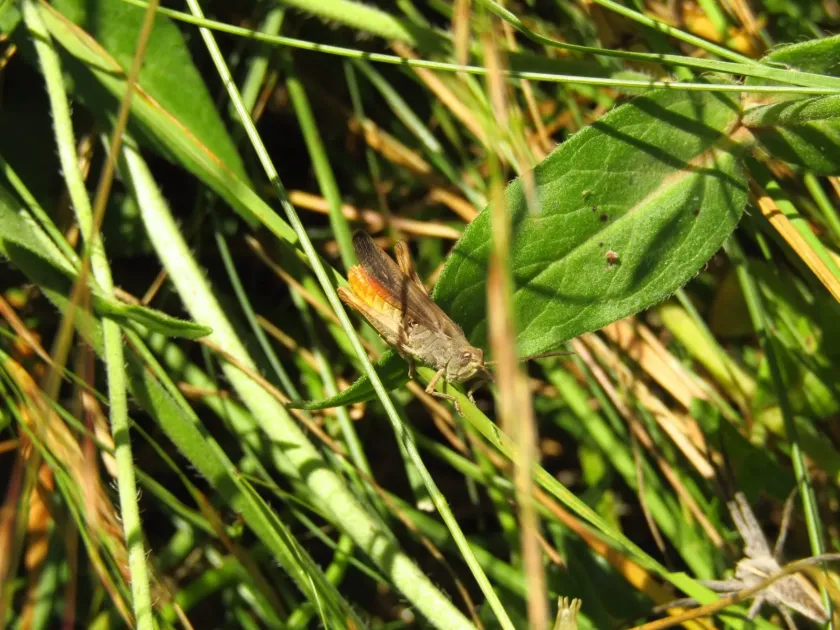
Yersin's Grasshopper (Chorthippus yersini) is a member of the family Acrididae within the order Orthoptera. This species is a typical short-horned grasshopper adapted to living in grasslands and open agricultural areas.
The adults are characterized by a cryptic coloration, ranging from brown to greenish-grey, which provides excellent camouflage against the soil and foliage, making them difficult to spot during initial infestations.
Like other grasshoppers, this species follows a hemimetabolous development cycle, meaning it undergoes incomplete metamorphosis: nymphs look like miniature versions of adults but lack functional wings and reproductive organs.
Identification often requires careful examination of the pronotum shape and wing venation patterns, as these features are key indicators used by entomologists to distinguish this species from other related grasshoppers.
They prefer sunny, dry habitats with relatively low vegetation cover, which explains why they are frequently found on field margins, fallow lands, and pastures that provide a suitable microclimate for their eggs and nymphs.
What it damages
This grasshopper is a polyphagous feeder, meaning it consumes various plant tissues. Both nymphs and adults are highly active, feeding throughout the day on the leaves and stems of host plants.
Cereal crops, including wheat, barley, and oats, are particularly vulnerable to their feeding habits. The insects chew irregular holes and tear leaf edges, which can lead to significant biomass loss if the population density is high.
In addition to crops, pastures are severely affected as the grasshoppers compete with livestock for forage, reducing the overall productivity of grasslands and the availability of nutritional feed for cattle.
The damage to young seedlings is particularly critical because the loss of leaf area early in the season can significantly stunt plant development, delay maturation, and potentially reduce the final yield per hectare.
Heavy infestations can result in "scorched" fields where the plant material is largely consumed, leaving only the structural stems, which further exposes the field to soil erosion and weed competition.
When it appears
The annual life cycle of Yersin's Grasshopper is strictly seasonal, with overwintering occurring in the egg stage. Eggs are laid in the soil in protective clusters called pods, ensuring survival through harsh winter conditions.
With the arrival of spring warmth, the nymphs emerge from the soil. Their emergence usually coincides with the germination and early growth stages of the surrounding vegetation, providing an immediate food source.
As summer progresses, the insects grow through several instar stages, reaching their adult form in June and July. This period is marked by peak metabolic activity, intense feeding, and subsequent mating behavior.
The species typically has one generation per year. This single-cycle life strategy is highly efficient for surviving in temperate climates, focusing energy on growth and reproduction during the optimal summer months.
By late summer and early autumn, after mating and oviposition, the adult population dies off, leaving the eggs in the soil to act as the biological bridge to the following year's agricultural cycle.
Signs of infestation
Visible signs of an infestation include shredded or notched leaf margins on cereal plants, which is a classic symptom of grasshopper damage compared to the smoother cuts often made by other leaf-eating insects.
Large numbers of grasshoppers jumping into the air when disturbed are a clear indicator of a high population density. This is often the first visible cue for farmers conducting field scouting.
The presence of acoustic signals—the rhythmic chirping of males during warm, sunny weather—confirms that the population is mature and actively breeding, signaling a need for immediate population assessment.
Sparse, yellowing patches in the field that do not match nutrient deficiency patterns often indicate localized heavy feeding, where grasshoppers have concentrated to maximize their caloric intake.
Farmers can also look for the presence of insect feces on leaves and soil; these small, dark, cylindrical pellets are reliable indicators of current feeding activity and can help quantify the scope of the infestation.
Control measures
Effective management starts with cultural practices; deep plowing of fallow land and field margins disrupts the egg pods buried in the soil, preventing successful spring emergence of the nymphs.
Maintaining clean borders by mowing weeds along roadsides and fences removes the favorable microclimate that these insects need to thrive, effectively pushing them away from cultivated fields.
When the economic threshold of infestation is exceeded, the application of registered insecticides is recommended. The best results are achieved when treatments are applied against early-instar nymphs before they gain mobility.
Biological control, such as encouraging local bird populations or predatory insects, can help maintain a natural balance in the ecosystem and should be integrated into wider sustainable farming programs.
Regular scouting using sweep nets or standardized area counts allows farmers to make informed decisions about pest control, ensuring that interventions are both timely and cost-effective for crop protection.
Taxonomy
- Latin name
- Chorthippus yersini
- Order
- Orthoptera (locusts)
- Family
- Acrididae
- EPPO code
- CHOHBY
Discussion
No discussions yet — be the first.