
French nase
Chondrostoma toxostoma
Description
How to identify
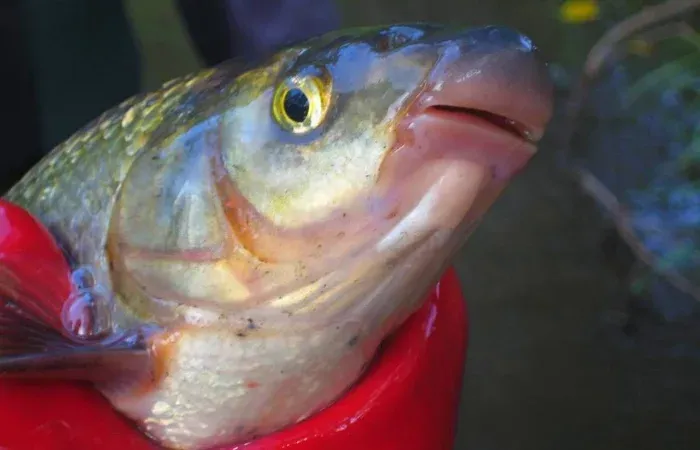
The French nase (Chondrostoma toxostoma) is a species of freshwater fish belonging to the family Cyprinidae. It is characterized by its streamlined body and a specialized mouth structure equipped with a sharp, horny sheath, which is ideal for scraping algae from submerged surfaces.
Visually, the species displays a silvery coloration with a dark dorsal side. The head shape and specific scale count along the lateral line serve as key diagnostic features for ichthyologists when distinguishing it from other closely related species within the Chondrostoma genus.
The natural habitat of the French nase is primarily concentrated in the river systems of France and parts of Spain. They favor habitats with moderate to fast-flowing water and stony or gravel substrates, which support the growth of the periphyton they feed upon.
The reproductive cycle is synchronized with spring water temperatures. Spawning occurs in shallow areas where the adhesive eggs are deposited onto gravel beds. This behavior is an adaptation to ensure the survival of offspring in riverine environments.
While the species plays a significant ecological role, it is increasingly threatened in its native range due to habitat alteration. It is not an agricultural pest but is sometimes categorized by its interaction with artificial fish ponds and managed water bodies.
What it damages
The French nase poses no direct threat to terrestrial agricultural crops. Its interaction with human-managed systems is limited to fish farming and aquaculture, where it may interfere with the production of other commercial fish species.
In aquaculture, the primary "damage" caused by this fish is competition for natural food resources. Because the French nase is a specialized feeder on periphyton and benthic algae, it can deplete the natural food supply available to other pond-raised cyprinids.
Potential impacts on irrigation infrastructure are generally negligible and related to high-density populations causing localized turbidity. However, there are no documented cases of this species inflicting physical damage to agricultural machinery or crops.
It is crucial for managers of aquaculture facilities to distinguish between ecological presence and pest status. In natural river ecosystems, the presence of the French nase is a sign of ecological diversity rather than an invasive threat.
Economic damage is limited to the reduction of biomass efficiency in ponds. Proper farm management can mitigate this by ensuring that stock levels remain balanced and that the competitive pressure from wild fish is minimized through technical design.
Control measures
Management of the French nase in controlled environments involves technical solutions rather than extermination, as the species is often valued for biodiversity. Protection measures focus on exclusion and resource control.
Physical barriers such as fine-mesh screens are installed at water inlets and irrigation channels. These prevent unwanted fish from entering production ponds from interconnected natural water bodies, ensuring that the target fish population remains undisturbed.
Selective fishing techniques are used when the population density of non-target fish becomes excessive. This method is highly effective for maintaining the desired ecological balance in semi-intensive farming systems without disrupting the water chemistry.
Maintenance of the pond environment is the most effective preventative measure. By managing the nutrient levels to avoid excessive algal blooms, the attraction of the pond to grazing fish like the nase is significantly reduced.
- Installation of exclusion screens on water intakes.
- Regular assessment of pond fish species composition.
- Implementation of controlled selective harvesting.
- Monitoring water quality to discourage excessive algal growth.
Taxonomy
- Latin name
- Chondrostoma toxostoma
- Family
- Cyprinidae
- EPPO code
- CSTMTO
Discussion
No discussions yet — be the first.