
Common nase
Chondrostoma nasus
Description
How to identify
The common nase (Chondrostoma nasus) is a freshwater fish species belonging to the Cyprinidae family. It is typically found in fast-flowing rivers with gravel or rocky bottoms.
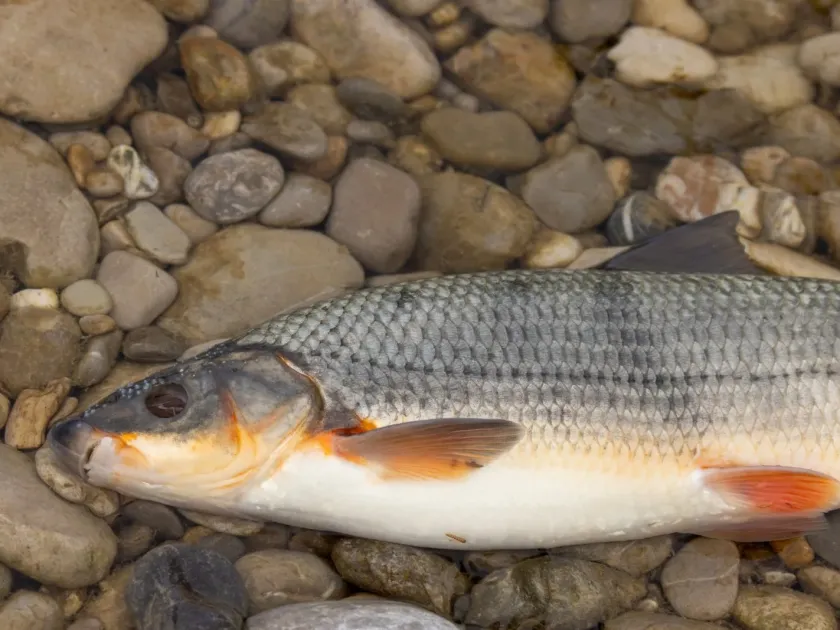
The species is physically characterized by its inferior mouth, which features a hard, horny, and sharp-edged lower lip. This specialized anatomy is an adaptation for scraping algae and diatoms from rocks.
The body is elongated and silvery in appearance, with a dark back and reddish or orange-tinted fins. These distinctive features make it easily identifiable by environmental and agricultural inspectors.
Adult individuals generally reach lengths of 25 to 40 centimeters. Due to their schooling behavior, they can form large groups that inhabit specific river stretches for extended periods.
The presence of common nase in water systems is often a sign of high oxygen content and low pollution, yet their feeding habits can create technical challenges for human-made infrastructure.
What it damages
The damage caused by the common nase is primarily infrastructural rather than agricultural. By scraping organic matter from surfaces, they inadvertently degrade the materials of irrigation channels.
Their constant grazing on biofilm removes protective layers from concrete walls and pipes. This action accelerates the surface erosion of hydro-technical structures, leading to increased maintenance costs.
Large schools of this fish disrupt the sediment at the bottom of canals. This resuspension of silt causes water turbidity and silting of irrigation pipes, which hinders effective water distribution to fields.
The mechanical action of their horny lips on artificial substrates can compromise the integrity of protective coatings on flood defense barriers, requiring frequent repairs.
By interfering with the filtration systems of pumping stations, the schooling activity of the nase can reduce the efficiency of irrigation water supply, potentially impacting crop yields.
When it appears
The activity level of the common nase is highest during the spring, which aligns with their spawning season. During this time, they migrate and aggregate near water inlets.
Throughout the summer, the fish continue their active feeding cycle. This period matches the highest demand for irrigation water, making the impact of the nase on channel infrastructure most noticeable.
In the autumn and winter months, the fish move to deeper, slower waters to survive cold temperatures, which significantly decreases their interaction with shallow irrigation systems.
Agricultural managers should be aware that peak migration periods often correlate with spring floods, necessitating heightened alertness regarding the state of water filtration grids.
Planning for channel maintenance and cleaning should be synchronized with the seasonal migration patterns of the fish to minimize human-wildlife conflict and maintain system stability.
Control measures
Installing high-quality protective screens and filters at the intake points of irrigation systems is the most effective way to prevent the fish from entering sensitive equipment.
Regular maintenance of the inner surfaces of irrigation canals to prevent heavy biofilm buildup can make the infrastructure less attractive to the common nase.
Applying specialized non-toxic anti-fouling coatings to concrete structures can prevent the growth of algae, effectively discouraging the fish from scraping these surfaces.
Utilizing acoustic deterrent systems can successfully keep schools of fish away from critical intake areas without the need for harmful chemical interventions or direct traps.
Collaborating with local water authorities to manage fish populations near agricultural areas helps ensure that the ecological health of the river is maintained while protecting vital infrastructure.
Taxonomy
- Latin name
- Chondrostoma nasus
- Family
- Cyprinidae
- EPPO code
- CSTMNA
Discussion
No discussions yet — be the first.