
Common nase
Chondrostoma
Description
How to identify
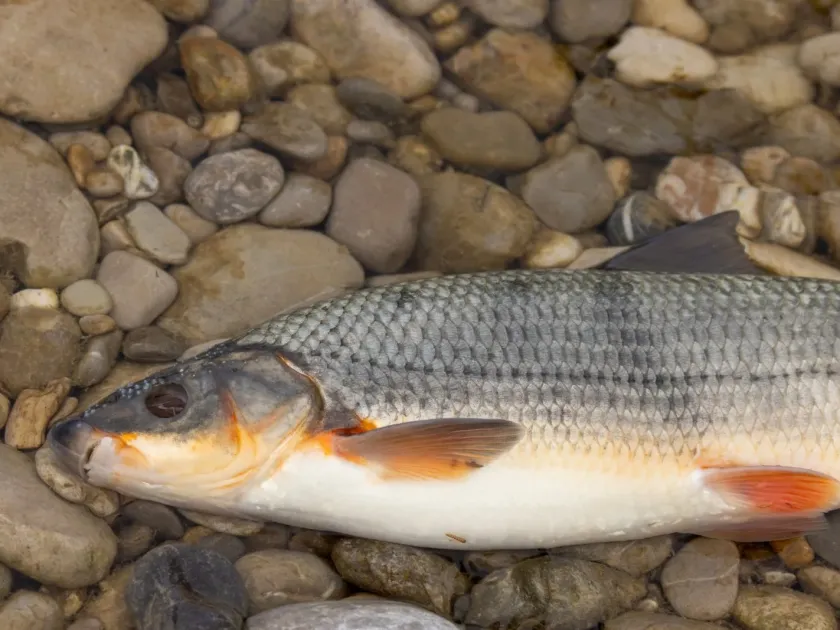
The common nase (genus Chondrostoma) is a type of ray-finned fish belonging to the Cyprinidae family. It is easily recognized by its streamlined body and a specialized lower mouth designed for grazing.
They typically inhabit clean, fast-flowing rivers with rocky or gravel bottoms. This morphological adaptation allows them to withstand strong currents efficiently.
The coloration of the nase usually includes a dark dorsal surface, silver sides, and distinct orange-red fins. These features are key diagnostic markers for identifying the genus.
Adult fish usually grow between 25 and 40 cm. They are gregarious, living in shoals that roam the riverbed in search of food patches.
As a purely aquatic species, the nase plays no role in terrestrial plant damage and is not associated with any form of agricultural infestation.
What it damages
The nase is not an agricultural pest. It does not feed on crops, vegetables, trees, or any other terrestrial plant life, as its entire biological cycle occurs within the water column.
The diet of the nase consists of periphyton, algae, and organic detritus which it scrapes off stones using its cartilaginous lower lip. This feeding mechanism is harmless to economic plants.
There is no evidence of nase causing damage to agricultural crops. Any mention of them as pests is scientifically incorrect and lacks any factual basis in agronomy.
Potential conflicts may arise only in technical contexts, such as fish entering irrigation pipes or drainage systems, which is an engineering challenge rather than a pest problem.
In summary, the nase is ecologically beneficial within its habitat and poses zero threat to farming operations or plant cultivation.
When it appears
The seasonal behavior of the nase is driven by water temperature and flow rates. Feeding activity peaks during the spring and summer months when algal growth is abundant.
Spawning takes place in the spring (April to May) on rocky riffles. During this time, the fish congregate in large numbers, making this the most critical phase of their lifecycle.
Winter dormancy occurs in deep river pools where water flow is minimal. The fish enter a state of reduced metabolism until the warmer spring temperatures return.
Daily activity is primarily diurnal. Nase spend most of the day scraping algae from substrates, relying on their excellent vision to locate the most productive feeding areas.
Seasonal fluctuations in the river's water quality or temperature can directly impact the population density and migration patterns of the nase in the wild.
Control measures
As the nase is not a pest, control measures are unnecessary and should not be implemented. Protecting the natural habitat of the fish is the recommended approach.
If engineering requirements necessitate excluding fish from water intake systems, non-lethal fish-friendly screens should be used to prevent entry without harming the population.
The use of pesticides or agrochemicals near water bodies is strictly discouraged, as these chemicals can cause mass mortality in river ecosystems, including the nase.
Conservation efforts aimed at maintaining water quality and river morphology are the best way to support the population of this fish species.
Professional advice should always be sought before taking any action regarding aquatic fauna, ensuring compliance with local environmental and wildlife regulations.
Taxonomy
- Latin name
- Chondrostoma
- Family
- Cyprinidae
- EPPO code
- CSTMSP
Discussion
No discussions yet — be the first.