
Juniper shield bug
Chlorochroa juniperina
Description
How to identify
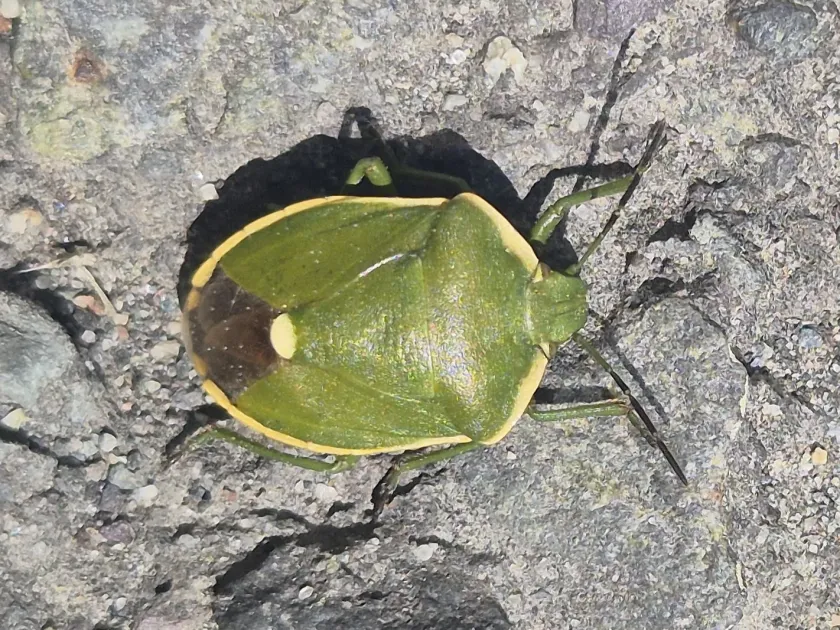
The juniper shield bug (Chlorochroa juniperina) is a member of the order Hemiptera and the family Pentatomidae. Adult insects have a distinct oval-shaped, shield-like body, measuring about 10-12 mm in length, and are typically bright green or yellowish-green in color.
Their shape is characteristic of shield bugs, with pointed lateral corners on the pronotum. The scutellum is elongated, often reaching the end of the abdomen, which is a key diagnostic feature for entomologists to distinguish this species from others.
The coloration of the bug provides excellent camouflage against juniper needles, making them notoriously difficult to detect by sight alone. The insects develop through several nymphal stages, gradually growing and maturing into adults.
Females typically deposit eggs in small clusters on the foliage of host plants. The species is known for having high reproductive rates, allowing populations to rebound quickly even after localized treatment.
Adult bugs are the primary overwintering stage, seeking shelter in forest floor debris, fallen needles, or other protected nooks, which ensures high survival rates during colder months.
What it damages
The primary hosts for the juniper shield bug include various species of juniper (Juniperus spp.) and other related conifer species found in nurseries, landscapes, and residential gardens.
These bugs feed on the sap of needles and young shoots. By using their piercing-sucking mouthparts, they inject saliva containing enzymes into the plant tissue, which partially digests the material to make it easier to consume.
Affected needles begin to lose their vibrant green color, turning yellow, then brown and brittle. In cases of high infestation, entire branches can die off, significantly compromising the plant's aesthetic value and health.
As the plant loses vital nutrients and fluids, it becomes weakened and more susceptible to secondary fungal infections and opportunistic diseases, which can eventually lead to the death of young or vulnerable trees.
Nurseries often suffer significant economic losses when this pest infests their stock, as discolored and damaged foliage makes the plants unsellable and requires intensive management to restore their health.
When it appears
Activity begins in early spring as soon as temperatures reliably rise above 10-12 degrees Celsius. The bugs emerge from their overwintering sites to commence feeding on the fresh growth of the host conifers.
Mating and egg-laying typically occur in late spring through early summer. This period is marked by increased movement of adults as they disperse to find suitable host plants, thereby expanding the area of infestation.
Nymphs emerge during the summer months and feed continuously throughout the season. Because their appetite increases as they grow, the most noticeable damage to the foliage often occurs during mid-to-late summer.
Late summer often sees peak population density, requiring vigilance from groundskeepers and nursery managers. Insecticide applications are most effective when timed with the mass emergence of these younger nymphs.
As autumn approaches and temperatures drop, the bugs reduce their activity and migrate toward winter hiding spots, burrowing into plant litter and soil to prepare for the dormant season.
Signs of infestation
The first sign of an infestation is the appearance of tiny, discolored stippling marks on the needles, which eventually merge into larger dead patches as feeding continues.
Observing the foliage closely or using the branch-beating method (shaking branches over a white sheet) helps confirm the presence of the bugs, which are otherwise very hard to spot due to their perfect camouflage.
Tiny, dark-colored excrement spots on the underside of needles are another clear indicator of bug activity. These residues can also create a surface that encourages the growth of sooty mold.
General yellowing of the crown and premature needle drop are typical symptoms of a severe infestation. If you touch the branches and needles fall off in clumps, the plant is likely under significant stress from feeding.
Damaged tissue is often structurally compromised, making it an entry point for various plant pathogens. Secondary necrosis and localized dieback are common outcomes of prolonged exposure to these insects.
Control measures
Systemic insecticides are the most effective treatment for juniper shield bugs, as they penetrate the plant tissues, providing prolonged protection against both nymphs and adults that feed on the foliage.
Timing is critical; applications should be coordinated with the life cycle of the bug, specifically targeting the period when nymphs have recently hatched, as they are most vulnerable to chemical control.
Cultural management involves sanitation, such as removing fallen needles and debris from around the base of the trees. Eliminating these hiding spots makes the environment less hospitable for overwintering adults.
Biological control through the encouragement of natural predators, including parasitic wasps and predatory bugs, can help manage population levels and reduce the reliance on chemical interventions.
Routine monitoring of conifer health throughout the spring and summer is essential for early detection. Promptly addressing minor infestations can prevent the need for broad-spectrum insecticide sprays later in the season.
Taxonomy
- Latin name
- Chlorochroa juniperina
- Order
- Hemiptera (bugs, aphids, leafhoppers)
- Family
- Pentatomidae
- EPPO code
- CHLOJU
Discussion
No discussions yet — be the first.