
Cardiaspina densitexta
Cardiaspina densitexta
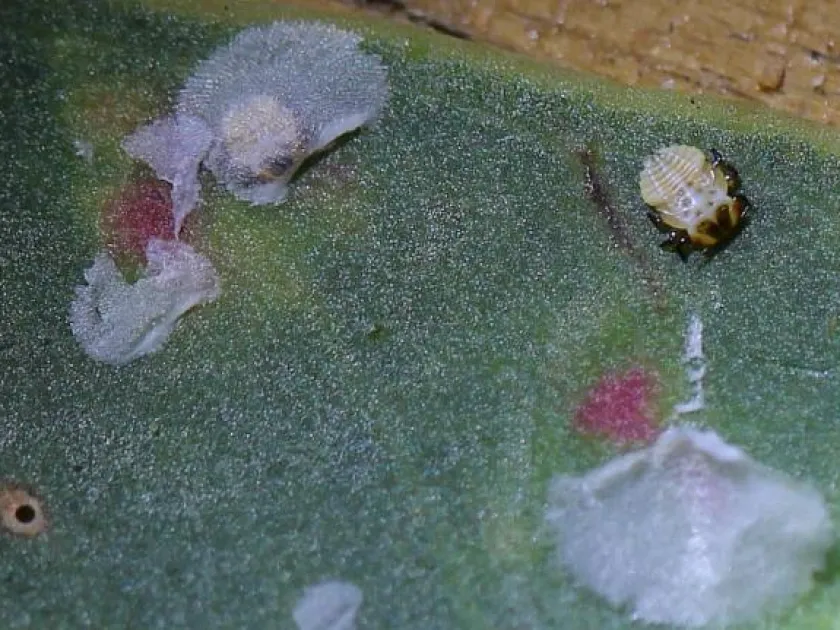
Description
How to identify
Cardiaspina densitexta is a species of psyllid, commonly known as a lerp insect, belonging to the order Hemiptera and family Psyllidae.
The insect is characterized by the production of a white, waxy protective cover, known as a lerp, which the nymph secretes to hide beneath on the leaf surface.
Adults are small, winged insects capable of dispersal, while nymphs are sedentary and spend their entire developmental phase feeding in a single location.
This pest is native to Australia and is recognized for its specialized relationship with Eucalyptus tree species, which serve as its primary hosts.
Entomologists identify this species by examining the unique architectural patterns of the lerps, which serve as a diagnostic feature for the genus Cardiaspina.
What it damages
The primary hosts of Cardiaspina densitexta are specific species within the genus Eucalyptus, often leading to significant foliage loss.
By sucking the sap from leaves, the nymphs deprive the tree of vital nutrients, leading to physiological stress and reduced growth rates.
Heavy infestations can lead to massive defoliation, which leaves the tree vulnerable to secondary infections and environmental stressors like drought.
While mature trees can often withstand moderate attacks, younger trees and nursery saplings are highly susceptible and may suffer stunted development.
The economic impact is concentrated in eucalyptus plantations and ornamental landscapes where the health and aesthetic value of the trees are critical.
Signs of infestation
The most distinctive sign of infestation is the presence of numerous small, white, hardened structures (lerps) on the undersides of the eucalyptus leaves.
Affected foliage typically exhibits chlorosis, turning yellow or brown before prematurely dropping from the branches, resulting in canopy thinning.
The accumulation of honeydew secreted by the nymphs often fosters the growth of black sooty mold on the leaf surfaces, further impeding photosynthesis.
Needle-like punctures from the feeding nymphs can cause small necrotic spots, indicating the localized damage to the plant tissue.
Observing a sudden increase in winged adults during warm periods is often the first indicator of a burgeoning population explosion in the area.
Control measures
Biological control through the release of specialized parasitoid wasps is the most sustainable approach for managing population outbreaks.
In nursery settings, systemic insecticides can be applied to suppress nymphs, ensuring the chemicals reach the leaf tissue where the insects reside.
Silvicultural management, including the planting of diverse and resistant eucalyptus species, helps to reduce the likelihood of large-scale outbreaks.
Routine monitoring using yellow sticky traps is recommended to track the seasonal emergence of adults and determine the necessity for intervention.
Maintaining tree vigor through proper irrigation and nutrition helps the trees cope with the stress caused by the feeding activity of the psyllids.
Taxonomy
- Latin name
- Cardiaspina densitexta
- Order
- Hemiptera (bugs, aphids, leafhoppers)
- Family
- Aphalaridae
- EPPO code
- CRDIDE
Discussion
No discussions yet — be the first.