
Goldfish
Carassius auratus
Description
How to identify
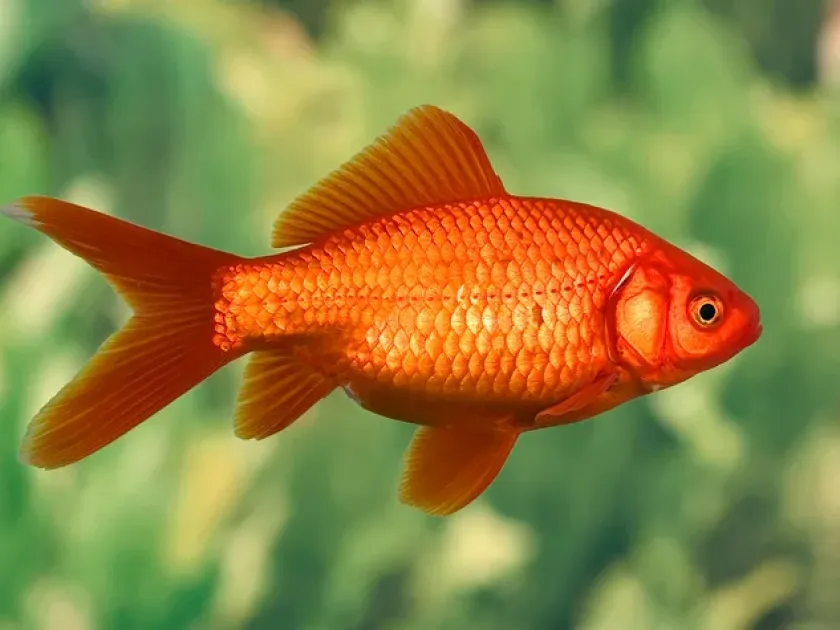
The goldfish, scientifically known as Carassius auratus, belongs to the Cyprinidae family. While common in aquariums, it acts as a disruptive pest in hydroponic or aquaponic facilities where plant roots are exposed.
This species is highly resilient and capable of reaching significant sizes in closed systems. Their constant search for food leads them to explore areas of the system that are essential for plant support.
The goldfish possesses a specialized mouth adapted for grazing and searching for organic matter. This feeding behavior is incompatible with the protection of delicate plant root systems in artificial water environments.
The biology of Carassius auratus allows for rapid colonization of technical tanks. Without natural predators, their population density often exceeds the capacity of the system to maintain a balance between plants and fish.
Their physical presence and movement cause continuous turbulence in the nutrient solution, which can displace plants and interfere with the stability of the root-growing medium.
What it damages
Crops most frequently damaged include lettuce, leafy greens, and herbs grown in Deep Water Culture (DWC) systems. Goldfish target the tender root tips, effectively pruning them unintentionally.
The mechanical damage to the roots prevents the plant from absorbing vital nutrients. This causes a sudden cessation of growth, leaf wilting, and reduced yields for the commercial producer.
Metabolic waste from the goldfish, including ammonia and nitrates, drastically alters the nutrient solution chemistry. This imbalance leads to chemical stress on the roots, making them susceptible to rot.
The accumulation of waste material clogs filtration systems, leading to lower dissolved oxygen levels. Plants suffer from hypoxia, which further degrades the health of the entire crop.
- Severed root tips and stunted root development
- Imbalanced nutrient solution due to fish waste
- Increased risk of secondary fungal infections in roots
- Reduced commercial quality and plant marketability
Signs of infestation
The first signs of infestation are ragged, shortened roots found upon lifting the plant from the solution. Clear bite marks are often visible on the root hair structures.
Water quality degradation is a major indicator; the nutrient solution becomes cloudy or murky shortly after changing or filtering. This is a sign of high biological activity caused by fish.
Plants display chlorosis and stunted growth despite having access to optimized nutrient levels. This discrepancy between fertilizer concentration and plant performance signals a root-level issue.
Visible presence of Carassius auratus in the reservoir or near the root mats is the definitive confirmation. Fish often hide within the root network to seek shelter and forage.
A sudden decline in plant health across a specific section of the greenhouse indicates a localized infestation where goldfish have concentrated their feeding activities.
Control measures
The most effective control measure is the physical separation of the root zone from the fish compartment using fine-mesh netting or rigid protective baskets.
Strict monitoring of fish density is essential in aquaponic operations. Keeping the fish population below the threshold capacity is necessary to maintain harmony within the system.
Implementation of high-capacity mechanical and biological filtration is required to remove fish waste products rapidly, ensuring the water chemistry remains stable for plant growth.
In non-aquaponic hydroponic systems, the entry of goldfish must be strictly prohibited. Ensuring that reservoir lids are secure prevents the accidental introduction of these fish.
Regular maintenance and cleaning of the entire system, including pipes and reservoirs, are necessary to remove organic debris and minimize the attractants for the goldfish.
Taxonomy
- Latin name
- Carassius auratus
- Family
- Cyprinidae
- EPPO code
- CRSSAU
Discussion
No discussions yet — be the first.