
Crucian carp
Carassius
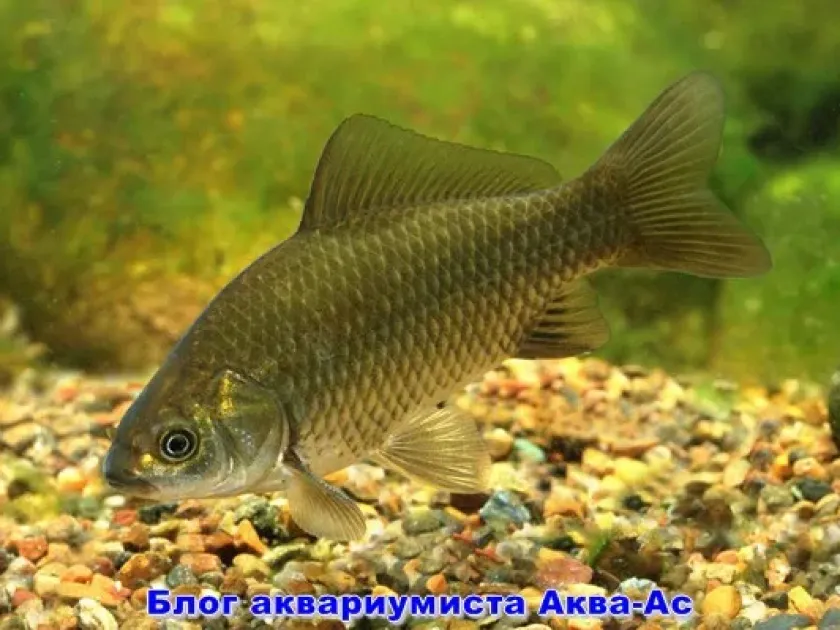
Description
How to identify
The Crucian carp (Carassius) is a freshwater fish belonging to the Cyprinidae family. While commonly regarded as a commercial fish, it acts as a significant nuisance or pest in agricultural environments, particularly in rice cultivation and irrigation systems.
These fish are characterized by their deep, laterally compressed bodies covered with large, silvery-gold or bronze scales. Their morphology allows them to navigate shallow waters effectively.
The species is highly resilient, capable of surviving in low-oxygen conditions and muddy substrates, which are typical of flooded fields and poorly maintained irrigation channels.
Reproduction occurs in the spring. Flooded rice fields provide an excellent spawning habitat with plenty of nutrients and shelter, leading to rapid population growth within the agricultural zones.
Due to their high adaptability, they easily colonize irrigation networks, making them a recurring challenge for water management in farming operations.
What it damages
The primary damage caused by the Crucian carp is the destruction of young rice seedlings, as the fish forage in the sediment and disturb the root zones of the plants.
By constantly stirring up the bottom, they significantly increase water turbidity. This blocks sunlight from reaching the submerged parts of the rice plants, negatively impacting photosynthesis and growth.
Mechanical damage is frequent; as the fish swim through the dense plantings, they often uproot young shoots, leading to uneven crop density and potentially requiring replanting.
Crucian carp also compromise irrigation infrastructure. They dig tunnels and burrows into earth banks and dams, which leads to structural instability and unauthorized water loss from paddies.
Additionally, their activity in the mud facilitates the release of accumulated pathogens and supports the growth of fungi that can affect rice stems and roots.
When it appears
Their activity begins in spring as soon as irrigation water is introduced to the fields. The fish migrate from main canals into the rice paddies.
The period of peak damage coincides with June and July, when temperatures are high, and the fish are most active while the rice crop is in its crucial tillering stage.
In autumn, as fields are drained for harvest, the fish concentrate in residual water, often causing further damage to canals while attempting to seek deeper refuge.
Winter brings a period of dormancy in the mud, yet they remain a threat as they persist within the irrigation system, ready to reactivate when conditions allow.
Effective management requires seasonal synchronization with the rice cropping calendar to minimize interaction between the fish and the crops.
Signs of infestation
One of the first signs of infestation is persistent water turbidity that does not clear even in calm weather, as the fish constantly churn the sediment.
Surface activity, such as ripples and bubbles appearing in the water, indicates a high density of fish foraging in shallow areas.
Direct inspection often reveals floating rice sprouts that have been uprooted, as well as disturbed soil patterns around the base of the crop.
Dams and levees often show visible signs of wear, such as small entry and exit holes or tunnels that weaken the structure of the water barriers.
Plants may exhibit symptoms of stress, such as stunted growth, yellowing leaves, and generally poor vigor, which are often attributed to nutrient disturbances caused by fish activity.
Control measures
The primary defense involves installing fine-mesh fish screens at all water intake points to prevent adults and fry from entering the rice fields.
Regular maintenance of irrigation canals, including desilting and vegetation removal, helps eliminate the niches where fish congregate and spawn.
Managing the water level through intermittent drying cycles can help reduce population density without harming the crop, as the fish are sensitive to sudden drops in water.
In some cases, biological control by introducing larger predatory fish into the main canals can help manage the population density of the Crucian carp.
- Installation of fine-mesh screens.
- Mechanical cleaning of irrigation canals.
- Water level manipulation strategies.
- Maintenance of physical barriers at sluice gates.
Taxonomy
- Latin name
- Carassius
- Family
- Cyprinidae
- EPPO code
- CRSSSP
Discussion
No discussions yet — be the first.