
Calephorus compressicornis
Calephorus compressicornis
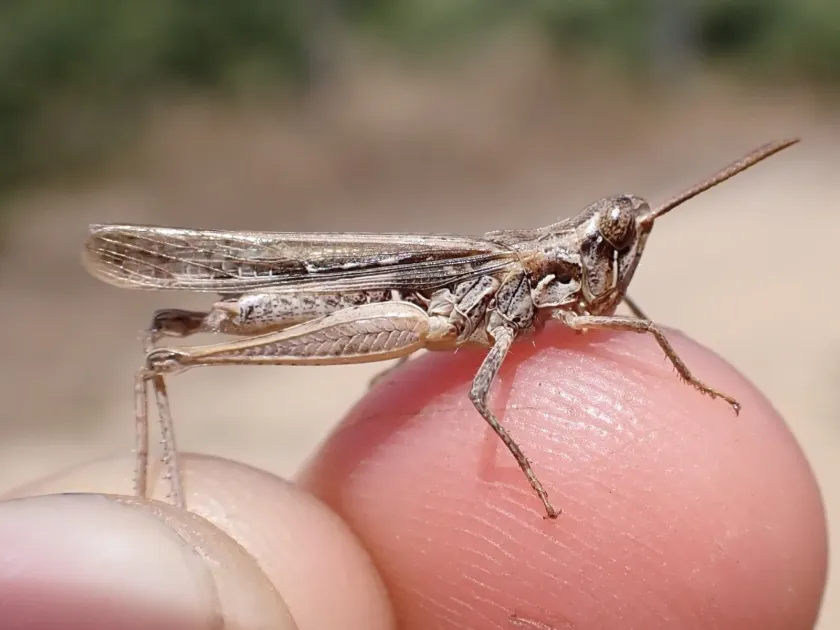
Description
How to identify
Calephorus compressicornis is a species of grasshopper belonging to the family Acrididae. This insect is specifically adapted to humid environments and is frequently found near water bodies or irrigation canals.
The most distinctive morphological feature of this species is its antenna structure; the segments are notably flattened, which serves as a primary characteristic for identification in the field.
The body is typically colored in shades of green or brown, allowing for excellent camouflage within the marshy or riparian vegetation where these grasshoppers usually congregate and breed.
Like other Acrididae, this species undergoes incomplete metamorphosis. Nymphs resemble miniature versions of the adults, but they lack wings and remain highly active feeders on the surrounding vegetation throughout their development.
The population density of this pest is highly dependent on environmental humidity and the presence of lush, hydrophilic plant growth, which provides both food and shelter for the insects.
What it damages
This pest prefers cereal crops and is particularly known to cause damage to rice, millet, and wheat. It is also found feeding on various wild grasses in and around agricultural areas.
Both nymphs and adults contribute to crop damage by consuming leaf tissues. They typically gnaw at the leaf margins, often leaving irregular, jagged edges or causing complete defoliation of the plants.
The reduction of leaf surface area directly impacts the plant's photosynthetic capacity. In young crops, severe damage can lead to stunted growth, reduced tillering, and an overall decrease in yield potential.
Damage often starts at the edges of fields bordering water, from where the insects may migrate deeper into the crop as conditions change or population density increases.
Secondary damage occurs when the open wounds on the leaves become entry points for various fungal and bacterial pathogens, leading to further decline in plant health and potential loss of crop quality.
When it appears
The life cycle of Calephorus compressicornis is closely linked to the seasonal growth patterns of cereal crops and nearby weeds. Eggs overwinter in the soil or plant debris, waiting for warmer conditions.
Nymphs emerge in the spring as soon as temperatures rise and the growth of succulent vegetation provides the necessary food sources for their initial developmental stages.
The peak of damage typically occurs during the summer months when the population reaches its maximum density. This is the period when agricultural monitoring is most critical for crop protection.
Towards the end of the season, adults lay eggs, ensuring the next generation survives the colder months. Environmental factors such as rainfall and soil moisture determine the success of each generation.
Depending on the region and climatic conditions, one or more generations may occur. Understanding these life stages helps agronomists time their scouting efforts and interventions effectively.
Signs of infestation
The presence of Calephorus compressicornis is initially detected by observing adult insects with flattened antennae in the vicinity of water sources or irrigation ditches.
Jagged leaf edges and partial skeletonization of leaves on grain crops are clear signs of grasshopper activity. These patterns are distinct from the damage caused by chewing larvae of Lepidoptera.
Early-stage nymphs may be spotted in dense vegetation during the cool early morning or late evening hours, as they tend to be more active and visible when temperatures are moderate.
An accumulation of frass (excrement) on the leaves and soil surface, combined with noticeable gaps in the plant stand, indicates a high infestation level that requires immediate attention.
- Widespread leaf margin damage on cereals.
- Visible stunted growth in field borders.
- Presence of grasshoppers fleeing with short jumps upon approach.
Control measures
The most effective strategy for managing this pest is a combination of cultural and preventive measures, particularly the removal of tall weeds and vegetation along irrigation canals.
Crop rotation and proper soil cultivation in the off-season can significantly disrupt the overwintering egg pods, reducing the population pressure for the upcoming growing season.
Chemical control should be implemented only when the economic threshold is reached. Applying contact or systemic insecticides to affected borders can effectively halt the migration of insects into the main field.
Care must be taken when using pesticides near water bodies to avoid contaminating the water supply and negatively impacting aquatic life or non-target beneficial insects.
Integrated Pest Management (IPM) practices, including the preservation of natural predators and the use of targeted biological controls, are increasingly recommended to ensure sustainable crop production.
Taxonomy
- Latin name
- Calephorus compressicornis
- Order
- Orthoptera (locusts)
- Family
- Acrididae
- EPPO code
- CAPSCP
Discussion
No discussions yet — be the first.