
Calephorus
Calephorus
Description
How to identify
Calephorus is a genus of short-horned grasshoppers belonging to the Acrididae family. These insects are typically found in moist environments, including grasslands and the edges of wetlands, where they thrive among dense vegetation.
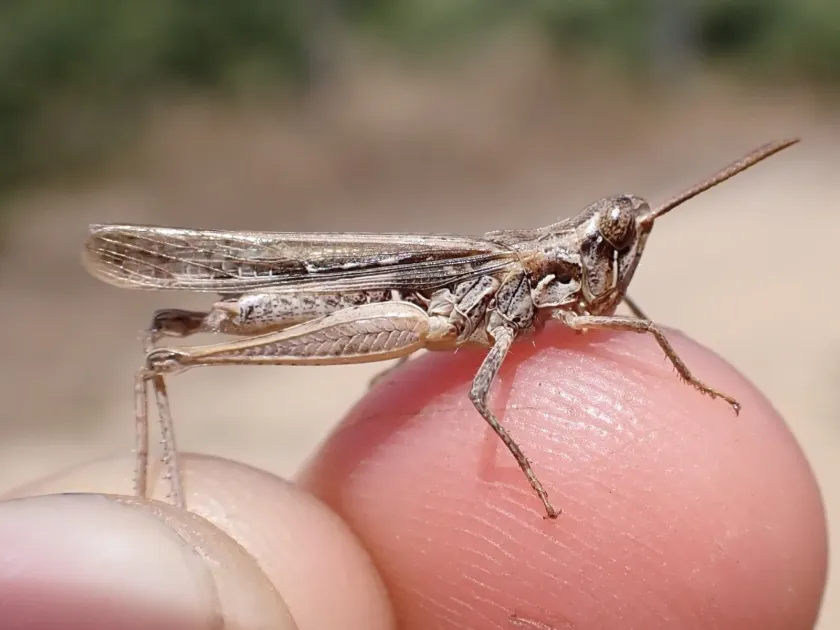
The morphology of the adult insect includes a characteristic pronotum and specific wing venation patterns. Their coloration usually ranges from olive green to brownish, providing excellent camouflage against stems and leaves.
Adults possess strong hind legs for jumping, which makes them highly mobile and capable of significant dispersal. Nymphs closely resemble adults but are smaller in size and lack fully developed wings.
Field identification involves examining the structure of the antennae and body shape. During inspections, their quick jumps when disturbed serve as a primary behavioral indicator of their presence.
The life cycle involves incomplete metamorphosis, moving through egg, nymph, and adult stages. Understanding these developmental phases is crucial for timely monitoring and population management.
What it damages
As a polyphagous insect, Calephorus primarily targets cereals, forage grasses, and various meadow plants. When population levels are high, they may migrate into commercial crops, causing noticeable damage.
Feeding damage occurs on the leaf blades, where insects chew along the edges or create holes. This loss of leaf area directly impacts the plant's photosynthetic capacity, leading to weakened overall development.
In addition to leaf consumption, they may occasionally damage stems during severe outbreaks. This activity can stunt plant growth and reduce the quality of harvested forage or grain yields.
Damaged plants often become more susceptible to secondary fungal and bacterial infections due to the physical trauma caused by feeding. High insect density can lead to total defoliation in small patches.
Farmers should assess the damage by looking for irregular leaf margins. Determining the economic injury level is essential to decide whether chemical intervention is required to save the crop.
When it appears
The emergence of nymphs after overwintering usually occurs in late spring, depending on rising soil temperatures. Adult populations generally reach their peak activity during the summer months.
The species usually completes one or more generations per year, influenced by regional climate conditions. Warmer and moderately humid summers typically favor faster population growth.
Overwintering takes place in the egg stage, with eggs deposited in the soil or plant debris. These eggs are quite resilient, surviving cold winter temperatures to ensure the next generation's success.
Monitoring efforts should begin early in the season, focusing on the field margins. Regular scouting allows for the early detection of localized populations before they spread across the field.
Environmental factors like rainfall patterns significantly influence the survival rate of nymphs. Dry, hot periods during the peak season can occasionally limit population spikes.
Signs of infestation
Key signs of infestation include ragged leaf edges and the presence of grasshopper frass on the soil surface. Visual inspection of the foliage often reveals the pests actively feeding.
Using an insect sweep net is the standard method for quantifying population density. Sampling different areas of the field helps determine if the infestation is localized or widespread.
Observations should prioritize the edges of the field, especially those adjacent to unmanaged grasslands or weedy borders, which often serve as primary breeding habitats.
One may notice an increase in insect sounds and movement at dawn or dusk, when the insects are most active. Identifying these behaviors helps in differentiating Calephorus from other pests.
Comparing the leaf damage against common indicators for other leaf-chewing insects ensures that control measures are appropriately targeted towards the correct pest species.
Control measures
Agricultural practices, such as deep plowing in the autumn, are highly effective in destroying egg pods in the soil. Maintaining weed-free fields and edges reduces the attractiveness of the area for breeding.
Biological control options include encouraging natural enemies such as parasitic wasps or using entomopathogenic fungi. These methods provide an environmentally friendly approach to long-term population suppression.
Chemical control is warranted only when populations exceed the economic threshold. Applying insecticides should be done during the early nymph stages, as they are most vulnerable to treatment.
Targeted spraying along field borders can be an efficient way to prevent the inward migration of grasshoppers. Always follow local guidelines regarding pesticide use and beneficial insect safety.
An integrated pest management (IPM) strategy, combining regular scouting, mechanical cultivation, and selective chemical use, offers the best protection for your crops throughout the growing season.
Taxonomy
- Latin name
- Calephorus
- Order
- Orthoptera (locusts)
- Family
- Acrididae
- EPPO code
- CAPSSP
Discussion
No discussions yet — be the first.