
Silver Bream
Blicca
Description
How to identify
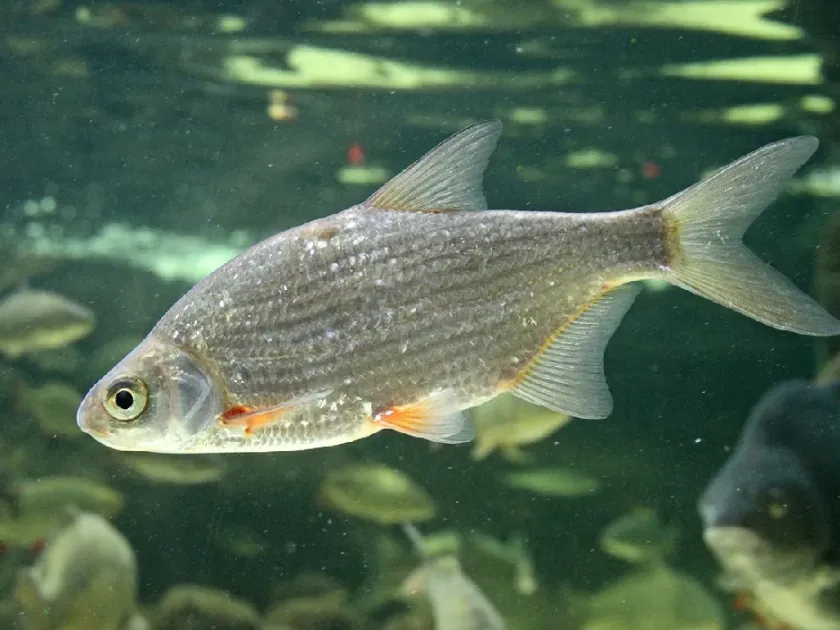
Silver Bream (Blicca bjoerkna) is a freshwater fish belonging to the Cyprinidae family. It is morphologically similar to common bream but possesses distinctive features such as a deeper body, silver scales, and reddish-tinged fins.
The species is recognized by its pharyngeal teeth arranged in two rows and its relatively small, semi-inferior mouth. Adults typically measure between 20 and 30 centimeters in length.
Silver Bream is a schooling fish that thrives in stagnant or slow-moving waters. Its high ecological plasticity allows it to colonize various artificial environments, including irrigation canals and ponds.
In agricultural settings, this fish is a common component of the aquatic fauna found in water storage facilities and drainage networks.
Its biological cycle is strictly tied to water temperature and oxygen availability, influencing its distribution within farm water management systems.
What it damages
Silver Bream does not directly consume crops, but it poses logistical challenges for irrigation infrastructure. High population densities can lead to the clogging of filtration screens.
The activity of the fish, particularly when digging into bottom sediments to search for food, increases water turbidity. This sediment-rich water can negatively affect sensitive irrigation equipment and sprinklers.
In irrigation canals, the presence of large shoals can contribute to the accumulation of organic matter, necessitating frequent maintenance of water channels.
If farm ponds are used for both irrigation and aquaculture, the uncontrolled proliferation of Silver Bream can disrupt the balance of the aquatic ecosystem.
While the fish does not feed on plants, its role in nutrient cycling within the water column can sometimes affect water quality parameters relevant to agriculture.
When it appears
Activity peaks during the spring spawning season (May-June), when the fish migrate into shallow areas with vegetation, often found near irrigation intake points.
During the summer, the fish are widely distributed throughout the available water bodies, with movement patterns dictated by water temperature and feeding grounds.
In autumn, Silver Bream prepare for winter by forming large shoals. During this phase, they often move towards deeper, more stable water areas, potentially clearing out of shallower channels.
Winter is characterized by low activity levels, with the fish staying in deep, protected areas to survive lower temperatures.
As spring approaches, the rise in water temperature triggers the renewal of migratory activity, which should be considered when scheduling maintenance for irrigation systems.
Signs of infestation
Presence is typically detected by visual observation of shoals near the surface, especially during early morning or late evening hours in slow-moving water sections.
Frequent clogging of water intake filters with organic debris or scales is a strong indicator of significant fish activity in the vicinity of pumps.
Increased turbidity of water in channels that usually remains clear often points to the bottom-feeding behavior of Silver Bream.
Echosounder monitoring in reservoir ponds clearly displays dense bottom-hugging shoals, a classic behavioral trait of this species.
Regular inspection of irrigation sluices often reveals the accumulation of fish-related debris, serving as a clear sign of their proximity to agricultural infrastructure.
Control measures
The most effective management strategy is the installation of robust fish-exclusion screens at all irrigation intake and pumping points.
Regular dredging and maintenance of canals remove the organic-rich bottom sediments that attract the fish for feeding and spawning purposes.
Biological control, such as stocking predator fish, can help regulate the population of Silver Bream in multi-purpose farm ponds.
Managing water levels in drainage systems can be used to redirect the movement of fish away from critical agricultural zones during peak seasons.
Routine water quality monitoring and the control of excessive aquatic vegetation help reduce the overall suitability of the canals for mass reproduction.
Taxonomy
- Latin name
- Blicca
- Family
- Cyprinidae
- EPPO code
- BLICSP
Discussion
No discussions yet — be the first.