
Blastophaga
Blastophaga psenes
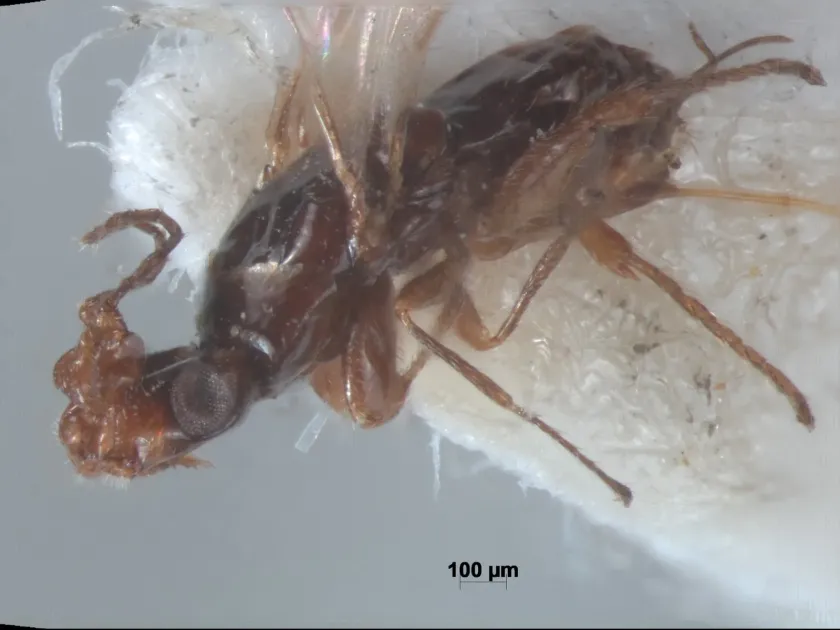
Description
How to identify
Blastophaga psenes is a species of fig wasp belonging to the family Agaonidae. It is a highly specialized insect that maintains an obligate mutualistic relationship with the common fig (Ficus carica).
The species exhibits extreme sexual dimorphism. Adult females are winged and equipped with specific sensors to locate receptive fig syconia, while males are wingless and spend their entire lives inside the fruit.
Females are small, usually dark in color, measuring around 1.5 to 2 mm in length, designed to enter the syconium through a tiny pore known as the ostiole.
Their life cycle is entirely dependent on the internal structures of the fig, where they pass through larval, pupal, and adult stages within the flowers.
This insect is essential for the pollination of non-parthenocarpic fig varieties, making it both a biological necessity in some regions and a pest in others.
What it damages
The "damage" caused by Blastophaga occurs primarily through the physical impact of the female's ovipositor when laying eggs into the flowers inside the syconium.
In commercial orchards of parthenocarpic figs, the presence of the wasp can be detrimental as it triggers an immune response in the fruit, leading to premature shedding.
Furthermore, the presence of dead wasps and larvae inside the fig cavity can lower the quality of the harvested produce, making it less marketable.
High humidity within the fig during the wasp's development cycle may promote fungal infections, which can rot the fruit from the inside out.
Waste products from the wasp's development can alter the texture and taste of the fruit, making it unsuitable for high-end culinary applications.
When it appears
The activity of Blastophaga psenes is synchronized with the phenology of the fig tree. The first generation typically emerges in early spring from overwintered caprifigs.
Throughout the growing season, multiple generations overlap, ensuring that a steady supply of adult wasps is available to pollinate the developing female flowers.
Late in the autumn, the final generation enters a diapause state inside the late-season figs, waiting for the warmer temperatures of the next spring to emerge.
Environmental temperatures between 20°C and 25°C are optimal for the rapid completion of their life cycle, causing population peaks during mid-summer.
Agronomists must monitor the synchronization of the wasp's life cycle with the specific blooming period of the fig varieties in their care.
Signs of infestation
The most evident sign is the presence of caprifigs—male-functioning fruits—which serve as the primary host for the wasp population on the tree.
When cutting open a suspected fruit, one can observe small galls or tunnels within the interior tissue where the larvae have developed.
Exit holes on the exterior of the fig, known as ostioles, serve as clear indicators that an adult wasp generation has successfully emerged from the fruit.
Premature yellowing and fruit drop in varieties that do not require pollination often point to unsuccessful oviposition attempts by the wasp.
Visible pollen on the bodies of emerging females confirms that the wasps have actively pollinated the current generation of syconia.
Control measures
Management strategies in fig cultivation focus on protecting the fruit from unintended colonization, especially in farms growing edible, non-pollinated cultivars.
The most effective physical control method involves bagging individual figs or using fine mesh netting to prevent the female wasps from entering.
In regions where pollination is required, growers must carefully manage the caprifig trees to ensure the presence of the wasp at the precise moment of flowering.
Eliminating wild caprifig trees near commercial orchards can significantly reduce the pressure of the wasp population on domestic cultivars.
- Use of protective mesh bags on individual fruits.
- Careful monitoring of the caprifig development cycle.
- Selection of self-fertile (parthenocarpic) fig varieties.
- Removal of unwanted host trees (caprifigs) in the orchard vicinity.
Taxonomy
- Latin name
- Blastophaga psenes
- Order
- Hymenoptera
- Family
- Agaonidae
- EPPO code
- BLAGPS
Discussion
No discussions yet — be the first.