
Axiagastus cambelli
Axiagastus cambelli
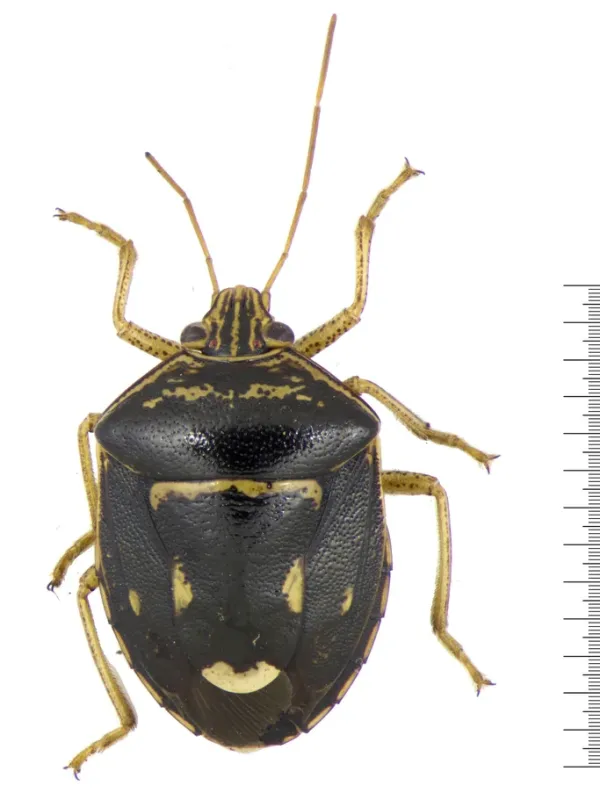
Description
How to identify
Axiagastus cambelli is a species of shield bug belonging to the family Pentatomidae, order Hemiptera. It is a recognized pest in tropical agricultural ecosystems, particularly in palm plantations.
The adult insect displays a typical shield-like body shape. Its coloration allows it to blend seamlessly into the green and brown environment of palm fronds and fruit clusters.
The life cycle encompasses several stages: egg, five nymphal instars, and the adult stage. Development is highly sensitive to ambient temperature and moisture levels found in the tropics.
Axiagastus cambelli exhibits cryptic behavior, often remaining hidden within the tight spaces of palm inflorescences, making it difficult to detect during early infestation stages.
Taxonomically, the species is distinct due to specific features of its exoskeleton and appendages, which entomologists use to separate it from other related pentatomid bugs in the field.
What it damages
The primary hosts of Axiagastus cambelli are coconut palms. The insect is specialized to survive and thrive on various parts of these trees throughout its developmental stages.
Adults and nymphs utilize their piercing-sucking mouthparts to feed on plant sap, targeting reproductive structures such as flowers, young coconuts, and developing fruit.
Feeding damage causes significant injury to the plant tissue. The primary impact is the physiological stress placed on the tree, leading to poor fruit development and reduced quality.
Secondary damage occurs when the injection of enzymes during feeding facilitates the entry of opportunistic fungi and bacteria, which can exacerbate the decline of the palm tree.
In high-density populations, the cumulative feeding damage causes substantial economic losses by reducing the total fruit set per palm tree on commercial plantations.
Signs of infestation
One of the most noticeable signs of infestation is the premature drop of young, undeveloped coconut fruit, which often display small puncture marks caused by the bug.
Necrotic spots on the inflorescences appear where the insects have been feeding. These areas often darken and may become susceptible to rotting due to subsequent infections.
A characteristic foul odor, common among Pentatomidae, may be detected near the palm canopy when a large colony of bugs is present or disturbed.
Eggs are typically laid in batches on the underside of leaves or near the fruit stalks. Detecting these egg masses is a primary method for early field scouting.
Generalized yellowing or chlorosis of the inflorescence tissues can also indicate that the bugs have been feeding in that specific area for an extended period.
Control measures
Management of Axiagastus cambelli requires an Integrated Pest Management (IPM) approach to ensure long-term plantation health while minimizing the use of synthetic chemicals.
Biological control through the encouragement of natural predators and parasitoids is highly recommended as a sustainable method to regulate the bug population.
Chemical intervention should be restricted to periods of high pest pressure where thresholds have been met, utilizing targeted application methods to protect beneficial insects.
Field sanitation remains a pillar of control, involving the removal of debris and infected plant parts that serve as breeding grounds for the bug population.
- Use of pheromone-based monitoring traps.
- Regular scouting of palm crowns during peak flowering.
- Promoting biodiversity on plantations to support natural enemies.
Taxonomy
- Latin name
- Axiagastus cambelli
- Order
- Hemiptera (bugs, aphids, leafhoppers)
- Family
- Pentatomidae
- EPPO code
- AXIACA
Discussion
No discussions yet — be the first.