
Axiagastus
Axiagastus
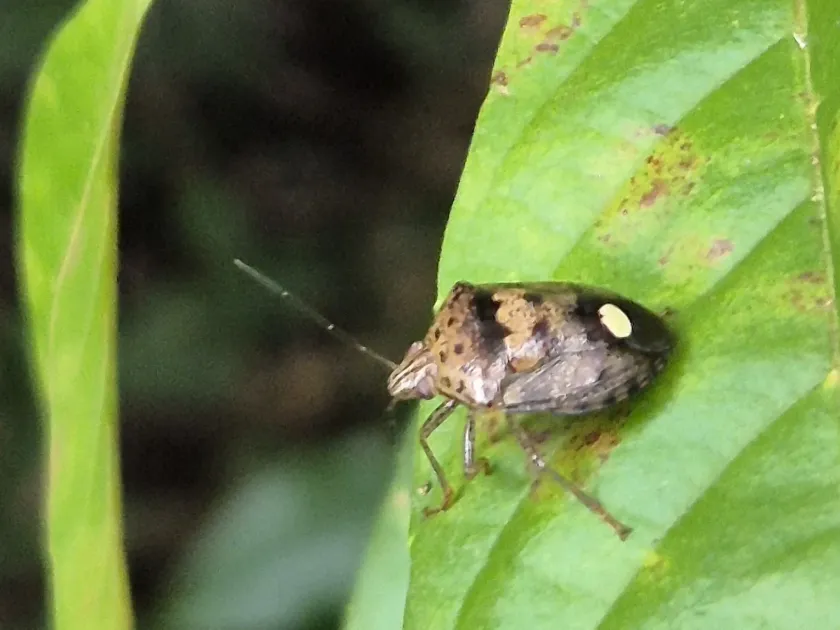
Description
How to identify
Axiagastus, specifically the species Axiagastus campbelli, is a member of the Pentatomidae family, commonly known as shield bugs. These insects are characterized by their shield-like body shape and are prevalent in tropical environments.
The adult bugs possess piercing-sucking mouthparts designed to feed on plant juices. They are highly mobile, using their wings to spread across coconut plantations during the reproductive season.
The lifecycle consists of egg, nymph, and adult stages. Nymphs closely resemble the adults but lack fully developed wings and reproductive organs, yet they are just as capable of causing damage as the adults.
These pests prefer to dwell in concealed areas of the palm, such as leaf axils and inflorescences, making them difficult to detect during standard field inspections.
Axiagastus populations can expand rapidly in warm, humid climates, making them a persistent threat to commercial coconut production worldwide.
What it damages
The primary host plant for Axiagastus is the coconut palm. These insects cause significant economic loss by targeting both the reproductive structures and developing nuts.
By feeding on the sap of young coconuts, the bugs cause these fruits to wither, discolor, and prematurely drop from the tree, leading to reduced harvest yields.
The feeding process involves injecting saliva containing enzymes into the plant tissue, which results in internal cell death and malformation of the fruit.
In addition to direct crop loss, the physical injury caused by the bugs weakens the plant's structural integrity and leaves it susceptible to secondary infections.
Heavy infestations can lead to a drastic decline in the health of the entire plantation, requiring intensive management efforts to restore productivity.
Signs of infestation
Visible signs of infestation include tiny puncture marks on the skin of developing nuts, often followed by dark necrotic lesions or distorted growth patterns.
A high rate of premature nut fall is a strong indicator of bug activity, often associated with feeding damage at the base of the fruit stalk.
Careful observation of the palm's inflorescences often reveals colonies of nymphs and adults hiding between the tight structures of the flower spikes.
The presence of insect excrement (frass) on the surface of leaves and stems can serve as a diagnostic clue for professional agronomists.
General wilting or yellowing of the palm's crown can sometimes be an indirect symptom of severe sap depletion caused by sustained feeding by large populations.
Control measures
Integrated Pest Management (IPM) is the most effective approach to handling Axiagastus, emphasizing a balance between prevention and intervention.
Biological control, utilizing natural predators and parasitoids that target shield bugs, is encouraged to maintain a sustainable ecological balance in plantations.
When chemical control is necessary, systemic insecticides applied during the early stages of infestation can be highly effective in reaching pests inside the plant tissues.
Cultural practices, such as maintaining clean plantations and prompt removal of infested debris, are essential to minimize habitat for the next generation of bugs.
- Regular monitoring using traps or systematic crown inspection.
- Selective application of approved insecticides.
- Enhancing the natural resilience of the trees through proper nutrition.
Taxonomy
- Latin name
- Axiagastus
- Order
- Hemiptera (bugs, aphids, leafhoppers)
- Family
- Pentatomidae
- EPPO code
- AXIASP
Discussion
No discussions yet — be the first.