
Aulocara
Aulocara
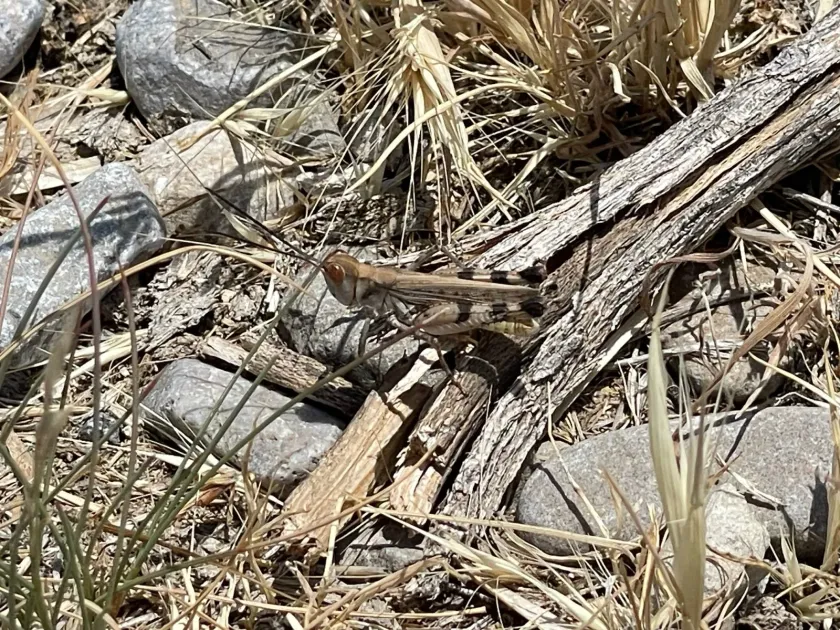
Description
How to identify
Aulocara is a genus of grasshoppers belonging to the family Acrididae in the order Orthoptera, commonly known for their impact on rangelands.
These insects are characterized by a medium body size and powerful hind legs, which enable them to jump considerable distances to escape predators or seek food.
Their coloration is cryptic, providing excellent camouflage against dry vegetation and bare soil, which often makes them difficult to spot during initial infestations.
The life cycle involves incomplete metamorphosis, progressing through egg, nymph, and adult stages, with nymphs undergoing several molts as they develop.
They are primarily adapted to arid and semi-arid environments, where they play a major role in the ecosystem dynamics of grassland regions.
What it damages
The primary diet of Aulocara consists of various grass species, making them significant pests for both native pastures and cultivated cereal crops like wheat and barley.
Both nymphs and adults possess robust mandibles capable of consuming large amounts of foliage, often leaving behind only stems or completely bare soil.
Damage usually escalates during periods of drought, as the grasshoppers migrate from drying rangelands into irrigated or lush cereal fields in search of moisture.
Economic damage includes significant reduction in biomass for livestock grazing and severe yield losses in grain production due to defoliation.
Beyond direct consumption, the contamination of forage with grasshopper excreta reduces the nutritional value and palatability of the plants for livestock.
When it appears
Nymphs typically emerge in the spring once soil temperatures reach a threshold that triggers the hatching of over-wintered eggs in the soil.
The peak of activity and feeding intensity occurs during the warm summer months, as these insects thrive in high-temperature conditions.
There is generally one generation per year, though specific environmental factors can influence the timing and duration of the life stages.
Eggs are deposited in protective pod-like structures within the soil, which ensures their survival throughout the winter season.
Monitoring should be conducted early in the season, immediately after spring warming, to detect the presence of early-stage nymphs before they mature.
Signs of infestation
The first indicator of an Aulocara infestation is the appearance of shredded or ragged grass leaves in patches throughout the field or pasture.
Visual identification of large numbers of grasshoppers jumping upon disturbance is a clear sign that the population density has reached an economic threshold.
Accumulation of dark fecal pellets on the soil surface or base of plants provides strong evidence of active and prolonged feeding behavior.
Widespread patches of thinning or dying vegetation that expand over time are symptomatic of localized feeding clusters.
An increase in the presence of insectivorous birds feeding in the field can often alert farmers to a burgeoning population of grasshoppers.
Control measures
Chemical control using authorized insecticides is most effective when applied during the early nymphal stages, before the insects become highly mobile.
Biological control agents, including specific entomopathogenic fungi, can be integrated into management programs to suppress population growth.
Cultural practices such as maintaining healthy, dense plant cover and timely mowing of field edges can discourage grasshopper colonization.
Soil tillage in late autumn can help destroy egg pods buried in the ground, thereby reducing the number of survivors that emerge in the following spring.
Implementing barrier strips around grain fields can effectively stop the movement of grasshoppers from nearby rangelands into the crops.
Taxonomy
- Latin name
- Aulocara
- Order
- Orthoptera (locusts)
- Family
- Acrididae
- EPPO code
- AULCSP
Discussion
No discussions yet — be the first.