
Aulacaspis
Aulacaspis
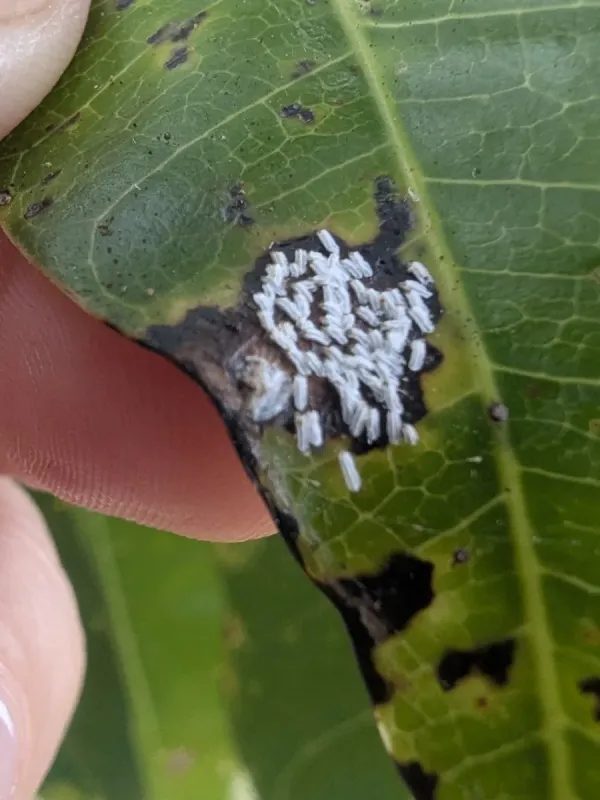
Description
How to identify
Aulacaspis is a genus of scale insects belonging to the Diaspididae family, which are known for their armored protective covers.
The insect exhibits strong sexual dimorphism, meaning males and females look and behave very differently throughout their life cycle.
Females are sedentary and secrete a hard, waxy scale or shield that covers and protects their soft body while they feed on the plant.
Males are small, winged, and mobile, designed primarily for finding and mating with females before completing their short life cycle.
The first-instar nymphs, commonly called crawlers, are the only mobile stage of the female generation and are responsible for spreading the infestation to new plant parts.
What it damages
Aulacaspis species primarily attack various fruit trees, including stone and pome fruits, as well as several types of berry bushes like raspberries.
The pest causes damage by inserting its piercing-sucking mouthparts into the bark, stems, and leaves to extract vital plant fluids.
Continuous feeding causes the plant to become weak and stressed, leading to stunted growth and a significant reduction in fruit yield and quality.
The bark of heavily infested plants often develops cracks, and individual twigs or even entire branches may die back due to severe sap loss.
In addition to physiological damage, the feeding wounds create entry points for secondary fungal and bacterial pathogens that further degrade plant health.
When it appears
These insects typically overwinter as fertilized adult females underneath their protective scales on the bark of trunks and perennial branches.
As temperatures rise in the spring, the females begin to produce eggs that remain protected under the shield until the nymphs emerge.
The peak emergence of crawlers often coincides with the flowering period of fruit trees, which is the most critical window for monitoring and control.
Depending on the climatic zone, multiple generations can occur during a single growing season, leading to rapid population growth in summer.
Warm and dry weather conditions are particularly conducive to the rapid development and movement of nymphs, which can quickly cover large areas of the host plant.
Signs of infestation
Early infestations appear as small, light-colored, or white flecks on the bark that might look like simple mineral deposits at first glance.
As the colony grows, the bark surface may take on a crusty, uneven texture, indicating a high density of overlapping protective scales.
A lack of vigor, yellowing leaves, and premature leaf drop are common symptoms that the plant is suffering from extensive sap loss.
- Discoloration or yellowing of foliage.
- Small bumps or nodules visible on young twigs and shoots.
- Dieback of terminal branches in advanced infestation stages.
Decreased cold tolerance and failure to thrive during the growing season are strong indicators that scale insects are draining the plant's resources.
Control measures
Dormant season applications of horticultural or mineral oils are highly effective at smothering overwintering females and preventing early population spikes.
During the active crawler stage, systemic insecticides are often required to ensure the chemical reaches the pest even if it is partially protected.
Pruning out heavily infested wood is a fundamental cultural practice that reduces the overall pest load and improves the effectiveness of subsequent spray treatments.
Proper orchard management, including thinning the canopy, ensures better penetration of control products and reduces the environmental humidity favored by the pest.
Biological control, by encouraging natural predators like lady beetles and parasitic wasps, can provide long-term sustainable management in integrated pest programs.
Taxonomy
- Latin name
- Aulacaspis
- Order
- Hemiptera (bugs, aphids, leafhoppers)
- Family
- Diaspididae
- EPPO code
- AULSSP
Discussion
No discussions yet — be the first.