
Asp
Aspius aspius
Description
How to identify
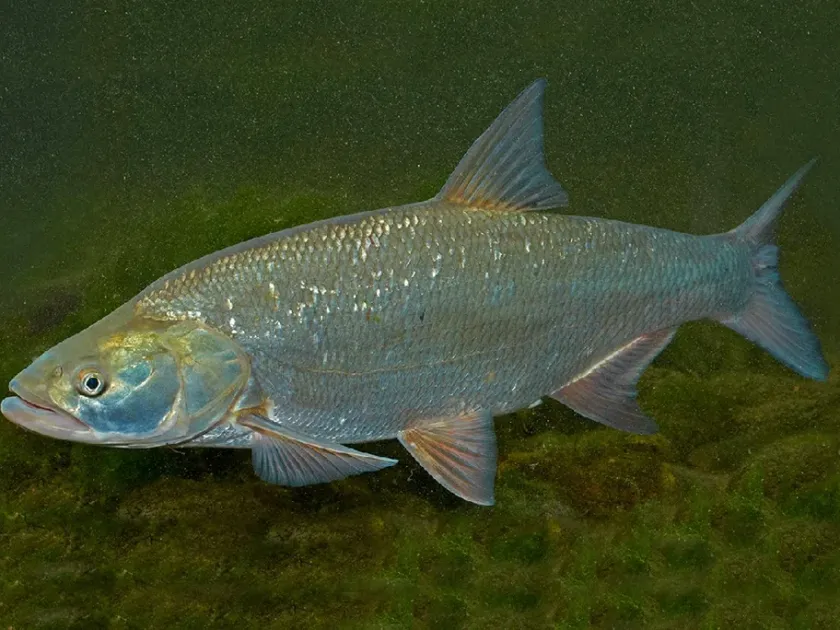
The Asp (Aspius aspius) belongs to the Cyprinidae family and the order Cypriniformes. It is a large predatory fish known for its elongated, streamlined body and silver scales.
It can grow up to 80 cm in length and is easily recognizable by its lower jaw, which features a prominent tubercle fitting into the upper jaw's notch.
Typically inhabiting large rivers, the Asp is highly mobile and can navigate complex river networks, including artificial canals and irrigation systems.
As a professional agronomist or facility manager, identifying this species is crucial for maintaining the efficiency of water infrastructure.
Its predatory nature and agility make it a significant aquatic occupant that can influence the biological balance of water bodies used in agricultural practices.
What it damages
The Asp acts as an indirect pest to agricultural sectors by causing operational difficulties in irrigation and melioration water systems.
Its large size and aggressive feeding behavior lead to the clogging of filtration nets, sluices, and intake valves essential for crop irrigation.
In aquaculture units integrated into agricultural land, the Asp competes for resources and predates on other fish, causing economic losses in production.
Constant movement of large specimens near irrigation canals can lead to minor erosion and destabilization of shore structures, requiring additional maintenance costs.
Ultimately, while not feeding on crops, the species poses a significant mechanical threat to the reliability of water delivery systems.
When it appears
Activity levels fluctuate throughout the year, with spring being the primary time for migration as the fish move toward spawning grounds.
Summer months are characterized by peak foraging activity, where the Asp hunts in shallow canal waters, often interfering with daily operations.
Autumn remains an active period as the fish gather food reserves before winter, maintaining a presence in the managed water channels.
Winter brings lower activity, yet the species remains in deeper, protected parts of artificial reservoirs, ready to resume activity with the first thaw.
Scheduling maintenance for irrigation infrastructure should consider these seasonal behaviors to minimize operational downtime.
Signs of infestation
The most distinctive sign of Asp presence is the audible splashing on the water surface during their aggressive hunting maneuvers.
Physical damage to intake screens and the accumulation of debris caused by the fish's constant movement are clear indicators of their activity.
Increased turbidity in irrigation channels, specifically near pumping stations, often signals that a school of Asp is navigating through the area.
Signs of shoreline disturbance in canal systems are frequently linked to the activities of larger individuals hunting near the banks.
Reduced flow efficiency in pipes and pumps often follows periods of high Asp activity due to the indirect mechanical disruption they cause.
Control measures
Implementing high-quality fish exclusion devices (FEDs) is the most effective way to prevent the Asp from entering sensitive irrigation infrastructure.
Regular monitoring and physical cleaning of drainage and intake screens are necessary to keep systems functioning optimally.
Strategic bank stabilization using geotextiles can reduce the risk of structural damage caused by aquatic life movement in small canals.
- Install fine-mesh protection screens.
- Conduct routine checks of hydraulic sluice gates.
- Use acoustic deterrent systems to keep fish away from pumps.
- Collaborate with local fisheries to manage population density.
Maintaining a balanced approach to water management ensures that the infrastructure remains protected against the impacts of the Asp.
Taxonomy
- Latin name
- Aspius aspius
- Family
- Cyprinidae
- EPPO code
- ASPSAS
Discussion
No discussions yet — be the first.