
Asp
Aspius
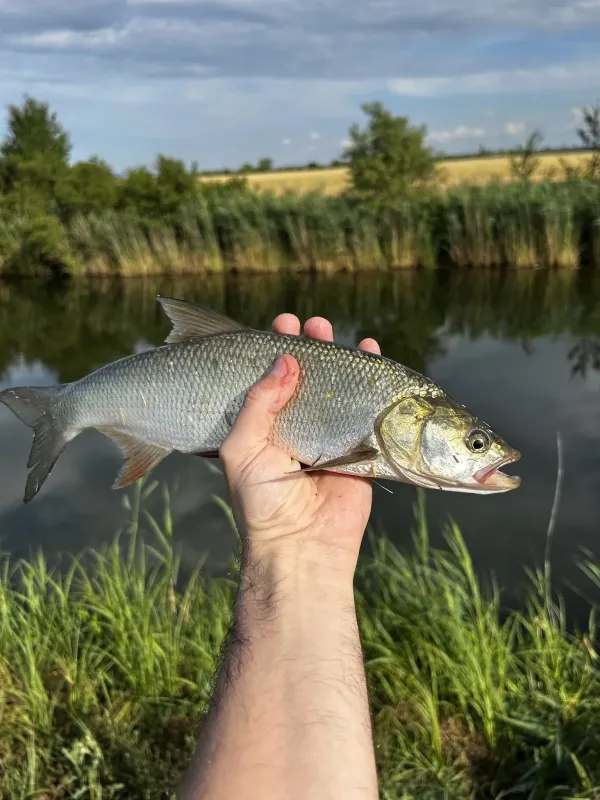
Description
How to identify
The Asp (Latin: Aspius aspius) is a large predatory freshwater fish belonging to the family Cyprinidae. It is strictly an aquatic organism and has no status or biological characteristics that would qualify it as a plant pest.
Physically, the Asp is characterized by a slender, silvery body and a powerful caudal fin, adapted for high-speed hunting in the water column. It is a vertebrate that dwells exclusively in rivers, lakes, and reservoirs.
Systematically, it occupies a trophic level of a top predator in aquatic ecosystems. It lacks any life stages or appendages that could cause mechanical or pathological damage to botanical species.
In agronomy, pests are organisms that impair crop development. The Asp is classified as fish fauna, which exists entirely outside the domain of plant protection, herbology, or entomology.
Its biological cycle is water-bound. Spawning and larval development occur in aquatic environments, ensuring that the species has zero interaction with terrestrial or horticultural crop tissues.
What it damages
The Asp causes no damage to agricultural crops. It is not a phytophagous species and therefore does not consume foliage, fruits, stems, roots, or seeds of any cultivated plant species.
Because its diet consists entirely of other fish and aquatic organisms, the Asp lacks the physiological adaptations, such as mandibles for plant chewing or piercing-sucking mouthparts, required to feed on plants.
No agricultural studies or field observations provide evidence of any link between the Asp and crop failure. It is entirely incorrect to categorize this fish as a threat to agricultural productivity.
The absence of damage is absolute. Even in fields adjacent to water bodies populated by this fish, the Asp remains a strictly aquatic occupant that does not affect soil chemistry or plant health.
The presence of Asp in irrigation reservoirs is often a sign of a healthy aquatic environment, which is beneficial for the general ecological balance, but it has no negative impact on the irrigated crops themselves.
Control measures
There are no control measures for the Asp regarding plant protection because it is not a pest. Developing or applying any methods to "protect" crops from this fish would be scientifically groundless and economically useless.
Agricultural management should prioritize the monitoring of genuine pests such as aphids, mites, rodents, and pathogenic fungi, which represent the actual biological risks to crop production.
Information identifying Aspius as a plant pest is inaccurate. Professionals should rely on taxonomic and ecological guidelines that strictly delineate between aquatic vertebrates and crop-damaging organisms.
No pesticide, mechanical trap, or biological agent is required to manage this fish in an agricultural context. Its existence does not interfere with the cultivation of grain, vegetable, or fruit crops.
In conclusion, the Asp is a harmless species regarding agricultural concerns. Agronomists and farm managers can safely ignore this species when designing crop protection programs and monitoring systems.
Taxonomy
- Latin name
- Aspius
- Family
- Cyprinidae
- EPPO code
- ASPSSP
Discussion
No discussions yet — be the first.