
Arvelius shield bug
Arvelius
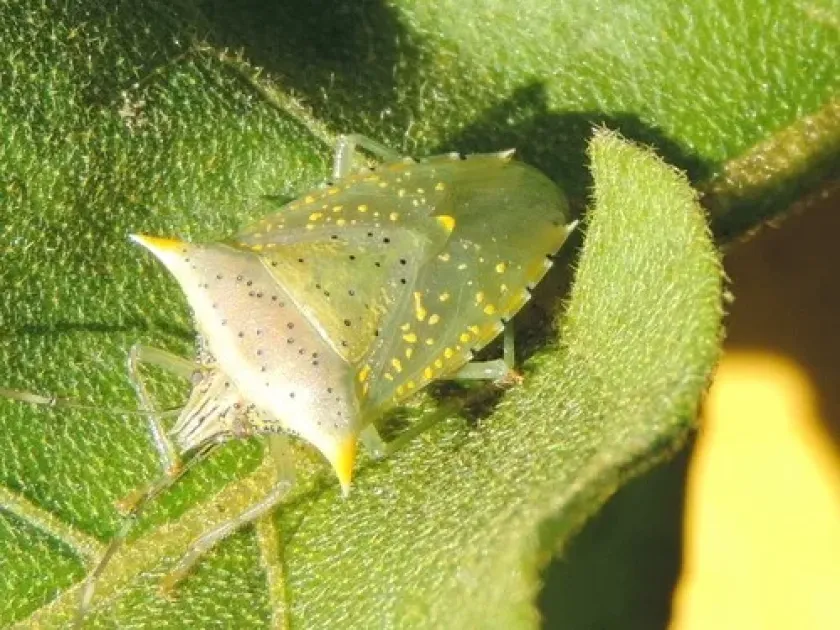
Description
How to identify
The Arvelius shield bug, specifically Arvelius albopunctatus, is a member of the family Pentatomidae, often referred to as stink bugs. These insects possess a characteristic shield-shaped body, which provides both protection and an aerodynamic form for flight.
Adults are typically light green or yellowish-brown in color, featuring small, distinct pale spots on their wing covers. Their heads are broad with five-segmented antennae, and they utilize a piercing-sucking mouthpart to extract plant fluids.
The life cycle of the Arvelius shield bug follows a hemimetabolous pattern, meaning they undergo incomplete metamorphosis. Eggs are laid in clusters, hatching into nymphs that resemble miniature, wingless versions of the adults.
During the winter, adults enter a state of diapause, seeking shelter in plant debris, leaf litter, or crevices in the soil. They emerge in the spring to feed and search for suitable host plants to begin their reproductive cycle.
These bugs are highly mobile and are known to be active during the warm daylight hours. Their coloration serves as excellent camouflage against green foliage, making them difficult to spot during routine inspections.
What it damages
The Arvelius shield bug is a polyphagous insect, meaning it feeds on a wide range of plants. It is particularly notorious for damaging vegetable crops such as tomatoes, peppers, and eggplants, which are essential for its nutritional needs.
Feeding occurs when the bug pierces the surface of fruits or shoots to consume sap. This process leaves behind small puncture marks that eventually lead to discolored spots, pitting, and potential deformation of the fruit.
By damaging the vascular tissue of the plant, these bugs can introduce various fungal and bacterial pathogens through their saliva, further degrading the health and quality of the produce.
Developing fruits are at the highest risk, as feeding can cause them to become stunted or drop prematurely. This significantly impacts the overall yield, especially in large-scale agricultural settings or home gardens.
In addition to fruits, nymphs and adults may feed on succulent new growth and leaves, resulting in wilting and reduced plant vigor, which limits the plant's ability to withstand other environmental stressors.
Signs of infestation
Initial signs of infestation often include yellow or whitish stippling on the leaves. Over time, these small spots can merge into larger necrotic areas, indicating a significant loss of plant cell contents.
Damaged fruits exhibit distinct puncture points, often surrounded by a soft, sunken area. If left untreated, these areas can darken and become entry points for secondary decay-causing organisms.
Inspecting the underside of leaves during the warmer months will often reveal clusters of eggs. These egg masses are typically laid in regular rows and are a definitive sign that a reproductive population is present.
A foul, pungent odor is a classic indicator of a stink bug presence. When disturbed, these insects release chemicals from specialized glands, which can be detected even at low population densities.
Severe infestations manifest as general plant decline, including curled leaves, stunted growth, and the wilting of terminal shoots. Such symptoms usually appear after the insect population has reached a critical level.
Control measures
Cultural management is the first line of defense. Removing and destroying plant debris at the end of the season reduces the availability of overwintering sites for adult bugs, thereby limiting the initial spring population.
Good weed control is essential, as many common weeds serve as reservoir hosts for Arvelius shield bugs. Keeping the surrounding area free of weeds reduces the likelihood of the bugs migrating onto desirable crops.
When monitoring indicates a population above the economic threshold, targeted insecticide applications can be utilized. It is crucial to choose products that are effective against Pentatomidae and safe for use on vegetables.
Biological control agents, such as egg parasitoids (like Trissolcus species), can significantly reduce the number of emerging nymphs. Encouraging natural predators can provide a sustainable way to keep bug numbers in check.
Regular monitoring using visual scouting or pheromone traps allows farmers to detect arrivals early. Timely intervention, even on a small scale, can prevent a minor presence from becoming a full-blown infestation.
Taxonomy
- Latin name
- Arvelius
- Order
- Hemiptera (bugs, aphids, leafhoppers)
- Family
- Pentatomidae
- EPPO code
- ARVESP
Discussion
No discussions yet — be the first.