
Archiboreoiulus pallidus
Archiboreoiulus pallidus
Description
How to identify
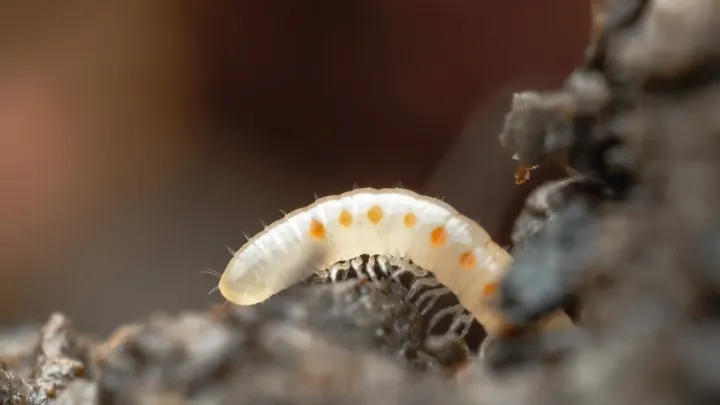
Archiboreoiulus pallidus is a small millipede species belonging to the order Julida and the family Blaniulidae. These organisms are characterized by a slender, cylindrical body, typically reaching up to 10–15 mm in length, and possess a pale, translucent, or yellowish coloration.
The body is composed of numerous segments, each carrying a pair of legs, which allows for efficient movement through soil layers and debris. Due to their lack of dark pigmentation, they are easily overlooked in damp soil or among the roots of various plants.
These millipedes thrive in moist, cool environments rich in organic matter. Unlike other soil-dwelling arthropods, they are particularly adapted to interstitial spaces within the soil, where they maintain their body moisture and avoid desiccation.
The life cycle involves egg-laying in small soil clusters, with development proceeding through several molting stages. Populations tend to expand rapidly under conditions of high soil humidity and the presence of abundant plant material for sustenance.
While they play a role in organic matter decomposition, their opportunistic feeding behavior makes them significant pests in agriculture. They are most active during spring and autumn when soil moisture levels are optimal for their surface-level activity.
What it damages
Archiboreoiulus pallidus primarily damages the root systems of various vegetable and ornamental crops. Their feeding habits focus on tender plant tissues, including germinating seeds, seedling roots, and succulent tubers.
Significant damage is observed in root crops such as carrots, radishes, and sugar beets. Millipedes create narrow, deep tunnels in the roots, which not only causes direct yield loss but also compromises the quality of the harvested produce.
Potato tubers are highly susceptible to infestation, as the millipedes burrow deep into the flesh. These entry points provide easy access for bacterial and fungal pathogens, leading to widespread decay during the growing season and storage.
Young seedlings are particularly vulnerable, as the pest can sever the primary root or the stem base near the soil surface. This leads to the sudden wilting and collapse of plants, often resulting in patchy and uneven crop stands.
The cumulative damage caused by these millipedes reduces plant vigor and growth rates, making crops more susceptible to environmental stress and secondary infections. In high-density populations, they can cause substantial economic losses.
Signs of infestation
One of the earliest signs of an Archiboreoiulus pallidus infestation is the unexplained wilting and stunted growth of seedlings despite adequate soil moisture. Inspecting the roots of such plants often reveals the presence of small, pale millipedes.
Damage on harvested root vegetables appears as clusters of small, deep, funnel-shaped holes. Opening these affected areas often reveals one or more specimens hiding within the tissue.
In greenhouse settings, poor germination rates can be a clear indicator. When digging around non-germinating seeds, one can often find these millipedes feeding on the germ or the primary root of the seed.
Increased instances of root rot, especially in fields with high organic matter, are frequently associated with millipede feeding, as they create wounds that allow opportunistic rot-causing fungi to infect the plant tissue.
Using bait traps, such as pieces of raw potato or carrot buried shallowly in the soil, is an effective way to confirm the presence of this pest. Checking these traps after a few days reveals the pest population density.
Control measures
Effective management begins with proper cultural practices, such as crop rotation and the removal of crop residues post-harvest. Minimizing excessive moisture in the soil can also discourage the population from thriving.
Deep autumn plowing or tilling helps by exposing the millipedes to surface conditions, where they face increased predation and risk of desiccation. Maintaining good soil drainage is critical to reducing the suitability of the environment for this pest.
Liming soils with low pH values can help, as these millipedes often favor slightly acidic environments. Adjusting the soil conditions can limit their ability to multiply effectively in the root zone.
In cases of severe infestation, soil-applied insecticides (such as granular diazinon-based products) can be used at planting time to provide protection to the young root systems of developing crops.
Biological control methods, including the use of entomopathogenic nematodes, are becoming increasingly popular. These natural predators target the millipedes in their soil habitat, offering a more sustainable and environmentally friendly control option.
Taxonomy
- Latin name
- Archiboreoiulus pallidus
- Family
- Blaniulidae
- EPPO code
- ARCIPA
Discussion
No discussions yet — be the first.