
Aneurus avenius
Aneurus avenius
Description
How to identify
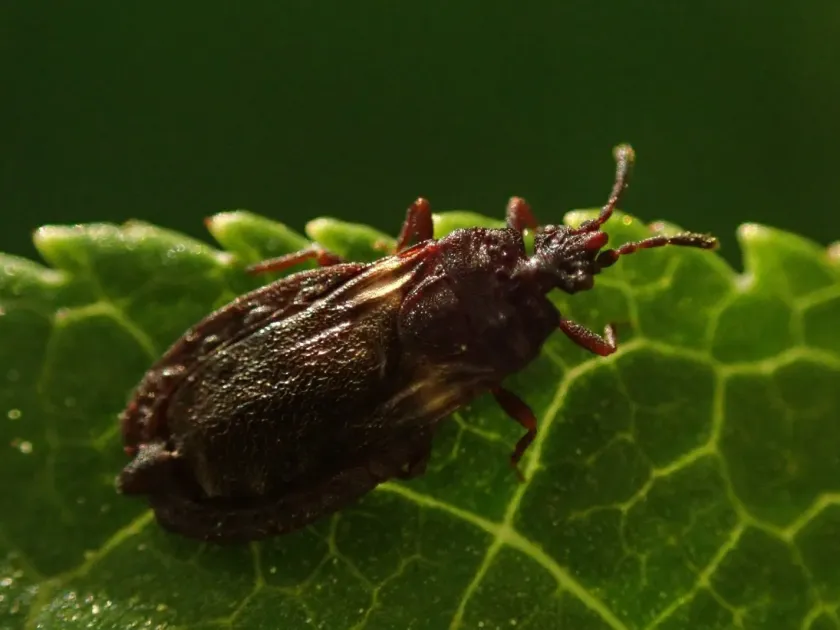
Aneurus avenius, commonly known as a type of bark bug, belongs to the family Aradidae, the flat bugs. These insects are characterized by their remarkably flattened bodies, which are an evolutionary adaptation allowing them to live securely in the narrow spaces between tree bark and wood.
Adult bugs are generally brown or dark in color with a matte surface. They typically reach a length of 4 to 5 millimeters, making them quite difficult to detect when they remain motionless under the protective cover of bark.
Their mouthparts are specialized for piercing and sucking, which they use to feed on plant sap or the fungal mycelium growing within decaying wood. Because their wings are often poorly developed or non-functional, their mobility is relatively limited compared to other Hemiptera.
This species is highly elusive and nocturnal in its habits. They strictly inhabit shaded, hidden environments beneath the bark, avoiding exposure to light or direct contact with the external environment during the day.
Positive identification usually requires careful examination of the insect's antennae structure and the lack of specific, vibrant markings on their hemelytra, which are features typical of this specific flat bug species.
What it damages
Aneurus avenius primarily infests a variety of deciduous tree species, including birch, alder, oak, aspen, and certain fruit trees. It typically attacks trees that are already suffering from physiological stress, decay, or other primary injuries.
The damage is caused by the insects feeding on the sap in the phloem and cambium layers. This feeding activity disrupts the flow of nutrients within the tree and eventually leads to the separation of the bark from the trunk.
As the bark becomes damaged, it provides entry points for various secondary pathogens, such as wood-decaying fungi, which can significantly accelerate the decline of the host plant. The tree's overall vigor is compromised over time.
While healthy trees are rarely killed outright by these bugs, the continuous feeding in weakened plants hinders their recovery. In commercial or home orchards, this infestation can lead to reduced fruit yield and stunted growth.
In landscape settings, the presence of these bugs indicates that the tree is suffering from underlying health issues, making it necessary to assess the overall condition of the plant to prevent further decline.
When it appears
The active period for Aneurus avenius begins in early spring as temperatures rise, signaling the end of the winter diapause. Adults emerge from their overwintering sites, which include cracks in the bark or deep within deadwood.
The peak reproductive phase occurs during the summer months when warmer temperatures support faster larval development. Under favorable conditions, the population size can increase significantly throughout the growing season.
As autumn approaches and temperatures drop, the bugs begin to search for overwintering sites. They move into deeper, more insulated parts of the tree to survive the winter cold and maintain appropriate humidity levels.
The species primarily overwinters as adults. This period of inactivity is crucial for their survival, and they will remain dormant until the following spring when environmental cues trigger their emergence.
Monitoring is most effective in spring when the bugs are starting their activity. Inspecting the bark for signs of loosening or insect movement is the best approach for early detection of an infestation.
Signs of infestation
The most visible sign of an Aneurus avenius infestation is the presence of loose, detached bark on the trunk or branches. This condition allows observers to lift the bark easily and reveal the flat insects hiding beneath.
Dark, granular excrement left by the bugs on the wood surface under the bark is a clear indicator of their presence and feeding activity. Additionally, the wood itself might show signs of discoloration or tissue death.
Symptoms in the tree canopy include premature yellowing of leaves, branch dieback, and an overall unhealthy appearance. These signs are often the result of the cumulative stress caused by the bugs and associated fungal infections.
Severe infestations can result in significant necrosis of the cambium, which can manifest as sunken areas on the trunk where the bark has begun to crack and peel away more aggressively.
- Loose or peeling bark on trunks.
- Presence of insect colonies under the bark.
- Dark frass (excrement) on wood surfaces.
- Dying branches in the upper canopy.
- Necrotic areas on the tree's cambium layer.
Control measures
The most important control measure is the practice of good sanitation. Removing dead, dying, or heavily infested wood from the site is the most effective way to reduce the population and prevent the bugs from spreading to healthy trees.
Careful removal of dead bark, where bugs spend their winters, can significantly decrease their numbers before the start of the next growing season. This should be done carefully to avoid causing mechanical damage to the living parts of the tree.
Chemical control is generally considered a secondary option, reserved for severe infestations in high-value trees. Properly timed applications of systemic or contact insecticides may be used, provided that they are allowed for the specific plant species.
Maintaining tree health through adequate irrigation, fertilization, and site management is vital. A strong, well-nourished tree can better defend itself against secondary pests and is less attractive to bark bugs.
Encouraging natural predators, such as predatory beetles or insectivorous birds, provides a sustainable way to keep populations of flat bugs in check without relying on heavy chemical interventions.
Taxonomy
- Latin name
- Aneurus avenius
- Order
- Hemiptera (bugs, aphids, leafhoppers)
- Family
- Aradidae
- EPPO code
- ANEUAV
Discussion
No discussions yet — be the first.