
Ancistrotermes
Ancistrotermes
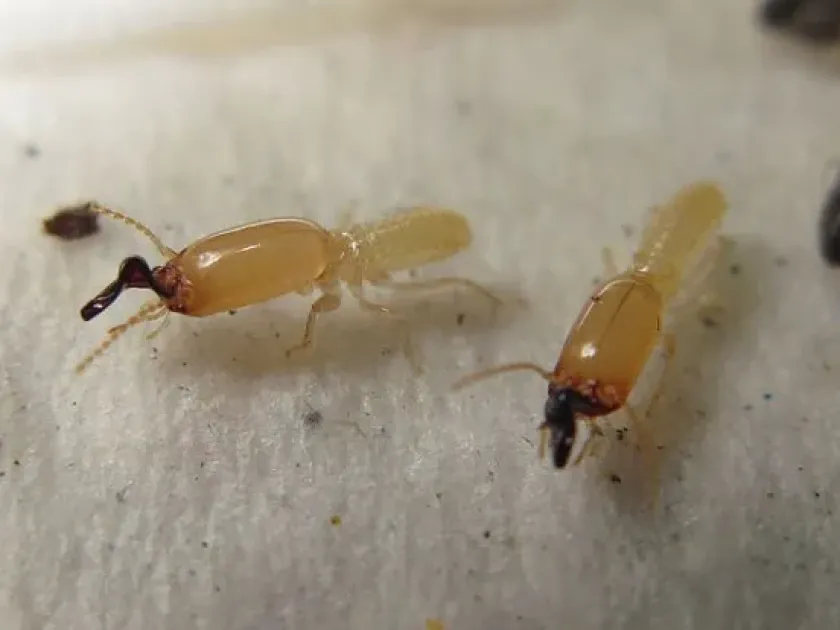
Description
How to identify
Ancistrotermes is a genus of termites belonging to the family Termitidae. These social insects are known for their subterranean lifestyle, building complex galleries beneath the surface rather than constructing large mounds.
The colony structure is strictly defined by castes, including workers, soldiers, and reproductives. Each caste plays a critical role in the maintenance of the colony and its daily foraging activities.
They operate almost exclusively underground, using a vast network of tunnels. Their activity is heavily influenced by soil moisture levels and the presence of cellulose-rich materials.
Ancistrotermes biology is characterized by a unique symbiotic relationship with fungi. They cultivate fungal gardens within their nests, which assist in breaking down complex plant material into digestible nutrients.
The development cycle is carefully regulated by the queen and internal colony factors, allowing the population to rapidly adjust its size based on available resources and environmental conditions.
What it damages
As significant agricultural pests, Ancistrotermes termites pose a serious threat to various crops, particularly in tropical regions where they can cause substantial yield losses.
These termites primarily damage the root systems and the lower stems of plants. By tunneling through these tissues, they disrupt water and nutrient uptake, leading to plant wilting and death.
Young plants are especially susceptible to infestation, as their root structures are not yet mature enough to survive aggressive termite feeding or the associated root rot that often follows.
Beyond live crops, they are highly effective decomposers of crop residues. While this helps in nutrient cycling, it also makes them prone to congregating in fields where harvest remains are abundant.
Infrastructure damage is another concern, as these termites can weaken wooden posts, fences, and various agricultural structures by consuming the cellulose within them.
Signs of infestation
A primary indicator of an Ancistrotermes infestation is the presence of earthen tunnels or galleries built over the soil surface or climbing up plant stems for protection.
Field inspectors often notice unexplained crop wilting. When these plants are examined at the root level, the extensive damage caused by termite feeding becomes immediately apparent.
Excavating the soil around a damaged plant typically reveals the presence of termite workers and their distinctive earthen galleries constructed around the roots.
Small soil mounds or patches of compacted earth near the base of the plant are common signs of intense subterranean activity performed by the colony.
The rapid repair of damaged soil tunnels after mechanical disturbance, such as tillage or cultivation, provides clear evidence that a large, active colony is present in the soil.
Control measures
Managing Ancistrotermes requires an integrated approach. Deep plowing is one of the most effective mechanical methods to destroy nests and disrupt the tunnel networks.
Incorporating organic matter that decomposes rapidly can serve as a trap crop, providing an alternative food source and reducing the pressure on living commercial crops.
Choosing resistant or tolerant cultivars is a crucial strategy. Selecting crops that can withstand early-stage damage helps to minimize overall yield impact during the growing season.
Chemical control options include soil-applied insecticides or seed treatments. These provide a temporary shield for the vulnerable root zone but should be combined with other methods.
Field hygiene is essential. Removing harvest residues promptly denies the termites their primary food source, making the field less attractive for colony establishment and persistence.
Taxonomy
- Latin name
- Ancistrotermes
- Family
- Termitidae
- EPPO code
- ANCISP
Discussion
No discussions yet — be the first.