
Amblyseius tamatavensis
Amblyseius tamatavensis
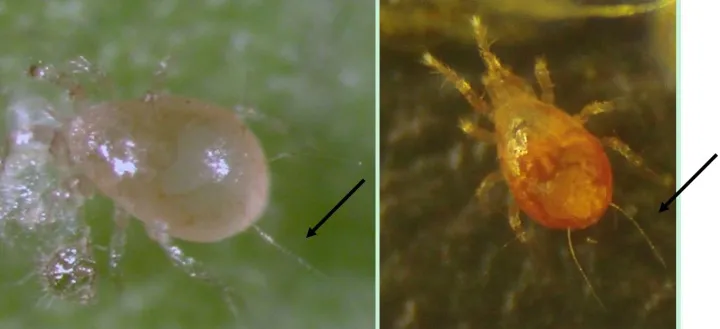
Description
How to identify
Amblyseius tamatavensis is a mite species belonging to the Phytoseiidae family. While many members of this family are beneficial, this specific species requires careful monitoring to ensure that greenhouse ecosystem stability is maintained.
The mite is microscopic, with a translucent, oval-shaped body that ranges from cream to light brown. Due to its size and appearance, identification often requires professional laboratory analysis and microscopic examination.
Its biological cycle is highly dependent on environmental conditions. In warm, humid greenhouse environments, the development from egg to adult is rapid, allowing the population to grow significantly within a short period.
These mites typically dwell on the underside of leaves, hiding near leaf veins. This behavior makes them difficult to detect during standard crop scouting procedures performed by field agronomists.
Understanding their population dynamics is crucial for preventing them from interfering with established biological control programs that rely on other predatory mite species.
What it damages
The primary concern regarding this mite is its impact on crop health and its ability to outcompete beneficial insects in greenhouse environments. This leads to a decrease in overall yield potential.
Mite activity results in direct feeding damage, where the pest pierces plant cells. Symptoms include chlorosis, stippling, and eventual yellowing of the foliage, which reduces the plant's photosynthetic efficiency.
Severe infestations can lead to stunted growth, leaf deformation, and, in extreme cases, necrosis of tender plant tissue. This is especially detrimental to young vegetables like tomatoes and peppers.
The presence of these mites also stresses the plant, making it more vulnerable to secondary infections from fungi or bacteria that enter through the lesions created by the feeding mites.
Economic losses arise not only from the direct plant damage but also from the increased cost of additional interventions required to manage the population when natural control mechanisms fail.
Control measures
Integrated Pest Management (IPM) is the most effective approach for handling Amblyseius tamatavensis. Regular monitoring using sticky traps is essential for tracking population shifts.
Environmental management is a key tool in control. Adjusting humidity levels and improving greenhouse ventilation can create conditions that are less favourable for rapid mite reproduction.
Biological control remains a core strategy. Introducing specific natural enemies or using microbial pesticides can keep the population in check without harming the broader ecosystem.
- Regular sanitization of the greenhouse to eliminate overwintering sites.
- Scouting for early signs of leaf damage or mite clusters.
- Using biorational pesticides that specifically target mites without impacting predators.
Chemical intervention should be considered a last resort, utilizing selective acaricides that have proven safety for integrated biological programs in greenhouse production.
Taxonomy
- Latin name
- Amblyseius tamatavensis
- Order
- Mites
- Family
- Phytoseiidae
- EPPO code
- AMBSMA
Discussion
No discussions yet — be the first.