
Long-horned grasshopper
Aiolopus longicornis
Description
How to identify
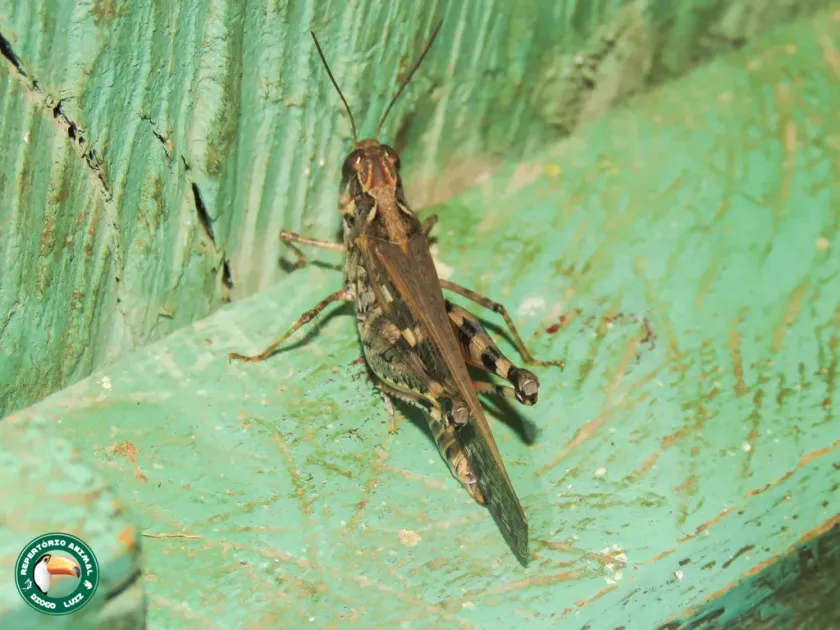
The Long-horned grasshopper, known scientifically as Aiolopus longicornis, is a member of the Acrididae family within the order Orthoptera.
This insect is recognized by its medium size and, as the name suggests, its notably long antennae, which help distinguish it from several closely related species.
The coloration of adults varies from pale brown to olive green, providing excellent camouflage against soil and various grasses, which serves as a natural defense mechanism.
Its wings are well-developed and often translucent with subtle dark markings, enabling them to travel across fields efficiently in search of food sources.
The nymphs appear similar to the adults but are smaller in size and possess underdeveloped wing pads, progressing through several molting stages before maturity.
What it damages
This species is a polyphagous pest, capable of consuming a diverse array of plant species, which makes it a significant threat to various agricultural ecosystems.
It predominantly attacks cereal crops, including wheat, barley, and maize, particularly during the early vegetative stages when plants are most succulent and vulnerable.
Beyond cultivated crops, they cause considerable damage to natural grasslands and pastures, significantly reducing the amount of biomass available for livestock grazing.
In cases of heavy infestation, the insects can strip leaves down to the central vein, which leads to reduced photosynthesis and overall stunted plant development.
The feeding activity of large populations can result in patchy crop losses, potentially impacting overall yield quality and quantity if not properly managed.
When it appears
The lifecycle of this pest is highly dependent on environmental conditions, with populations thriving in warm, sunlit areas that provide ideal breeding grounds.
The insects overwinter in the egg stage; females deposit their eggs deep into the soil inside protective pods called egg cases to survive cold temperatures.
Nymphs emerge in the spring once soil temperatures reach the threshold required for successful incubation and survival of the young individuals.
Adult insects are most active during the summer months, typically appearing from late June through August when temperatures are at their seasonal peak.
One generation per year is standard for this species, although sustained heatwaves can occasionally accelerate development cycles in warmer regions.
Signs of infestation
The primary visual indicators of an infestation include irregular, jagged feeding patterns along the margins of leaves or large holes in the center of the leaf blades.
Farmers often notice significant thinning of the crop canopy in areas where the pest population density is particularly high, leaving behind denuded stems.
Presence of the insect is easily confirmed by their erratic jumping behavior; when moving through a field, they take flight or jump away in visible swarms.
Observation of the soil surface during early morning hours may reveal nymphs clustered near the base of crop plants to escape the intense afternoon heat.
The accumulation of frass, or insect droppings, on the foliage is another clear sign that a localized population of the pest is actively feeding.
Control measures
Effective management begins with sound agricultural practices, such as deep plowing of fields after harvest to destroy egg pods buried in the topsoil.
Controlling weeds and grasses along field margins is a crucial step, as these areas often serve as initial breeding grounds before the pests migrate into crops.
Chemical control using authorized insecticides should be implemented based on scouting results once population levels exceed the established economic threshold.
Integrated pest management (IPM) strategies, including the promotion of natural predators such as birds and beneficial insects, can help suppress population growth.
Regular field scouting using standard sweep nets is essential for early detection and for making informed decisions regarding the necessity of targeted pest control treatments.
Taxonomy
- Latin name
- Aiolopus longicornis
- Order
- Orthoptera (locusts)
- Family
- Acrididae
- EPPO code
- AIOLLO
Discussion
No discussions yet — be the first.