

GOLDEN ANNIVERSARY
Federal Agrarian Scientific Center of the South-East
Chickpea
0
0
·
57
1 offer
1.83 €per 1 kg
Buy
Agromyza aristata
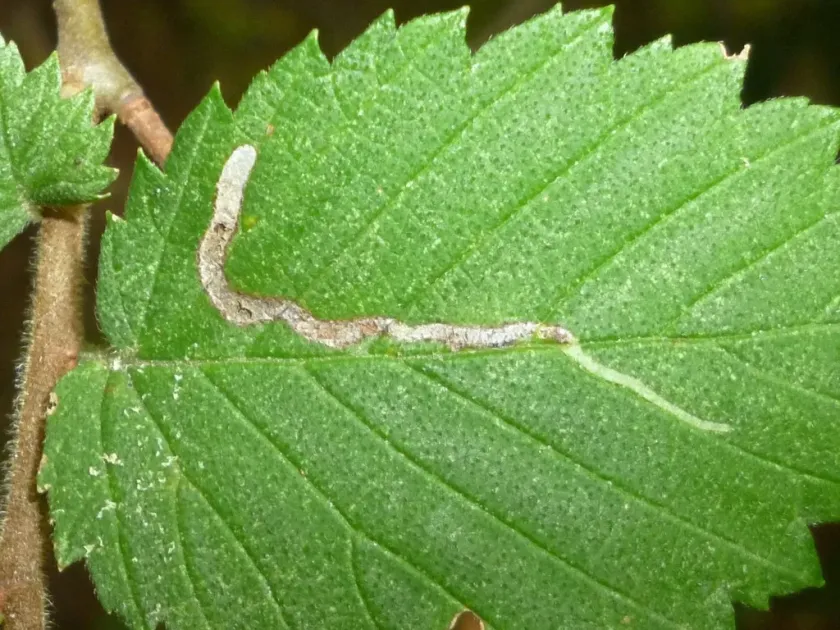
The leaf miner fly, scientifically known as Agromyza aristata, is a small dipteran insect belonging to the family Agromyzidae. Adults are typically very small, ranging from 1.5 to 3 mm in length, and generally possess a dark or blackish body.
The wings of the fly are transparent with a specific vein pattern characteristic of the family. The mouthparts of the adults are modified for feeding on nectar and plant sap, which they extract after puncturing the leaf epidermis with their sharp ovipositor.
The larval stage is the primary cause of plant damage. The larvae are small, yellowish, or whitish maggots equipped with black mouth hooks used for scraping the inner leaf tissues. They lead a cryptic lifestyle, entirely encased within the leaf lamina.
Development follows a complete metamorphosis consisting of the egg, larval, pupal, and adult stages. The duration of this life cycle is highly dependent on ambient temperature, allowing for multiple generations per growing season.
Identifying this pest in the field is most accurately done by observing the distinct leaf mines, although professional diagnosis may involve examining the genitalia of adult specimens under a microscope for precise classification.
This pest affects a wide range of agricultural crops, including various cereals, legumes, and vegetable species. By mining the leaf tissues, the larvae effectively destroy the photosynthetic cells responsible for energy production.
Adult females cause mechanical damage by creating numerous puncture wounds on the leaf surface. These punctures allow for the entry of secondary plant pathogens, potentially leading to bacterial or fungal infections that further weaken the plant.
The larvae create characteristic serpentine or blotch mines as they tunnel through the mesophyll. This feeding behavior disrupts the vascular system and significantly reduces the plant's ability to undergo normal photosynthesis.
Severe infestations lead to premature yellowing and dropping of leaves, which can cause significant stress to the plant during critical growth phases like flowering or fruit set, ultimately resulting in reduced yields.
In addition to yield loss, the aesthetic damage to vegetable crops, such as lettuce or spinach, renders the produce unmarketable. This makes the leaf miner a serious concern for both greenhouse and open-field agriculture.
Leaf miner flies typically emerge in early spring once temperatures are high enough to support adult activity. They overwinter as pupae, primarily in the soil or within the debris of host plants from the previous season.
Throughout the growing season, especially during warm and humid weather, the insect can complete several generations. Rapid population growth often occurs during the summer months when environmental conditions are optimal for development.
Activity levels can vary significantly based on regional climate and crop availability. In many regions, the highest peak of infestation coincides with the period of maximum leaf development in host plants.
As autumn approaches, the development of the fly slows down. The final generation of larvae will pupate and enter a state of diapause, remaining dormant in the soil until the next spring, ensuring the survival of the species.
Monitoring throughout the season is essential for early detection. The use of yellow sticky traps is a standard practice that helps agronomists estimate the population density of flying adults before significant damage occurs.
The most recognizable sign of infestation is the appearance of white, meandering, or blotchy lines on the leaves, known as "mines." These mines are easily seen when observing the leaf against a light source.
Minute white spots scattered across the leaf surface indicate the feeding sites of adult flies. A high density of these spots suggests an active and potentially heavy infestation that requires immediate attention.
Leaf tissues surrounding the mines often exhibit signs of chlorosis, appearing yellow or discolored. In advanced stages, the damaged leaves may curl, turn brown, and become brittle, eventually falling off the plant.
On closer inspection, dark spots inside the mines can be observed; these are the larval excrement, a clear indicator that the mines were created by leaf miner larvae rather than other environmental factors.
Wilting of the leaves, even with sufficient soil moisture, is another sign that the vascular tissue of the leaf has been severely compromised by the internal mining activity of the larvae.
An effective management strategy begins with sound cultural practices, such as crop rotation, which breaks the life cycle of the pest. Avoiding the planting of susceptible crops in the same area for consecutive years is crucial.
Deep plowing after the harvest is highly recommended as it buries the pupae deep in the soil, preventing the adults from successfully emerging the following spring. Sanitation of the field by removing debris is also vital.
Chemical control usually involves the application of systemic insecticides. Because the larvae are protected inside the leaves, contact sprays are often ineffective, necessitating the use of chemicals that are absorbed into the plant's sap.
Biological control methods are increasingly popular and effective, utilizing natural parasitoids like braconid wasps. These predators lay their eggs inside the larvae, naturally regulating the population without the use of harsh chemicals.
In greenhouse settings, yellow sticky traps are a dual-purpose tool, serving both to monitor population trends and to physically trap a portion of the adult fly population, thus reducing the number of eggs laid.
No discussions yet — be the first.