
Leafminers
Agromyza
Description
How to identify
Leafminers of the genus Agromyza belong to the family Agromyzidae within the order Diptera. These are small flies, typically measuring 1 to 3 mm in length. Their coloration is usually muted, often featuring shades of black, gray, or brown, sometimes with yellow markers.
The larvae are legless and worm-like, possessing a specialized mouthpart designed to feed on the inner tissues of leaves. They are rarely seen on the surface, as they remain shielded within the leaf structure throughout their growth.
Pupation occurs either in the soil or within the leaf mine itself, depending on the species and environmental conditions. The pupa is enclosed in a protective shell called a puparium, which helps the insect survive during development.
The life cycle of the leafminer is rapid, especially in warm climates or greenhouses. A single season can support multiple generations, which allows the population to grow exponentially if left unchecked.
Overwintering typically takes place in the pupal stage, hidden in the soil or within leaf litter. As temperatures rise in spring, the adults emerge to mate and begin the cycle of egg-laying on host plants.
What it damages
Leafminers affect a wide variety of crops, including potatoes, tomatoes, beans, and various ornamental plants. The damage is primarily caused by the larvae, which burrow into the mesophyll of the leaf.
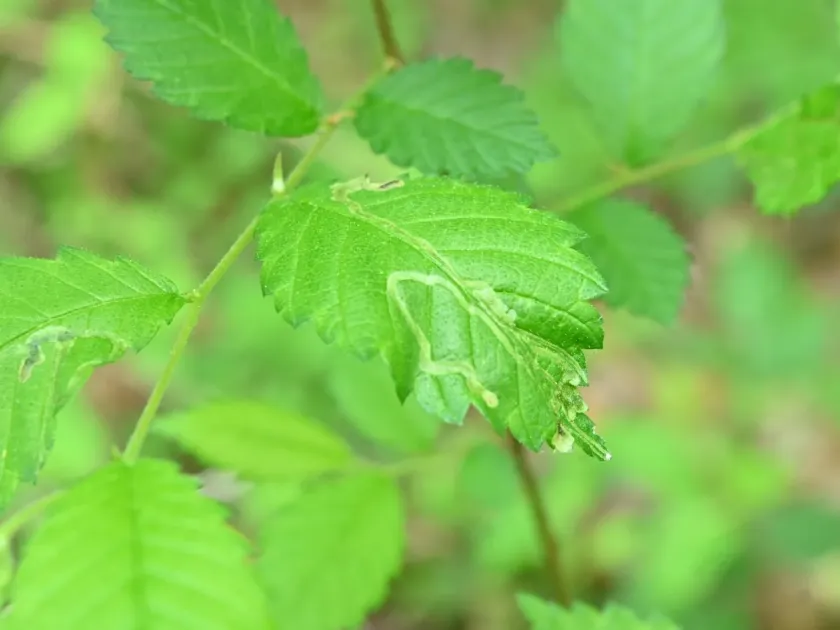
As the larvae feed, they create characteristic winding tunnels known as mines. These tracks are usually whitish or light green, and they effectively disrupt the leaf's ability to perform photosynthesis.
Large-scale infestations can cause severe defoliation. When leaves die prematurely, the plant loses its energy-producing capacity, which leads to stunted growth, reduced fruit yield, and poor crop quality.
Adult flies also cause damage by puncturing leaves to feed on sap or to lay eggs. These puncture wounds not only weaken the plant but also serve as entry points for bacterial and fungal pathogens.
Ornamental plants suffer significantly from the aesthetic damage caused by leafminer mines. The marbled appearance of the foliage makes these plants unmarketable and unattractive to consumers.
Signs of infestation
The most distinctive sign of a leafminer infestation is the presence of pale, serpentine trails on the foliage. As the larvae grow, these mines become wider, longer, and more visible on the leaf surface.
Inspecting the underside of the leaf or holding it against the light can reveal the presence of dark excrement pellets inside the mines. This is a definitive diagnostic feature of leafminer activity.
In cases of severe infestation, the leaves may become distorted, withered, or start to curl. The tissue within the mines often necrotizes, resulting in brown, dry spots that expand over time.
Early warning signs include tiny, circular puncture marks on the leaves caused by female flies. Identifying these early ensures that intervention can occur before the larvae begin extensive feeding.
Distribution is often patchy, starting with a few plants and spreading to neighbors. In greenhouse environments, the speed of spread can be very high, requiring constant monitoring of all sections.
Control measures
Controlling Agromyza leafminers requires an integrated pest management approach. Since larvae are protected inside the leaf, contact pesticides are often ineffective, necessitating the use of systemic products.
Good agricultural practices are the first line of defense. This includes removing crop debris after harvest and deep plowing the soil to expose pupae to natural predators or harsh winter temperatures.
Yellow sticky traps are highly effective for monitoring adult populations. While they won't eradicate the pest, they provide essential data on when the population is peaking, allowing for better-timed interventions.
Biological control agents, such as parasitic wasps, can be highly effective in greenhouse settings. These beneficial insects search for and parasitize the larvae within the mines, providing sustainable suppression.
- Use yellow sticky cards for monitoring and mass trapping.
- Remove and destroy severely infested leaves immediately.
- Maintain proper crop rotation to break the pest cycle.
- Apply systemic insecticides targeting larvae inside the tissues.
- Ensure weed management to eliminate alternative hosts for the flies.
Taxonomy
- Latin name
- Agromyza
- Order
- Diptera (flies)
- Family
- Agromyzidae
- EPPO code
- AGMYSP
Discussion
No discussions yet — be the first.