
Agonoscelis nubila
Agonoscelis nubila
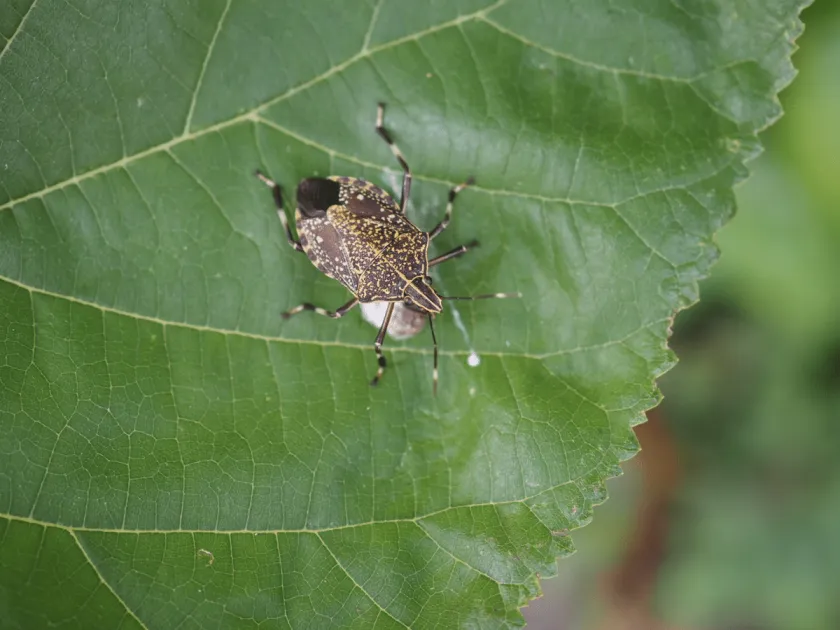
Description
How to identify
Agonoscelis nubila is a species of shield bug belonging to the order Hemiptera and the family Pentatomidae. The adult bug has a typical shield-like body shape, usually colored in ochre-yellow or brown hues with numerous dark dots.
The adult length is typically around 10–12 mm. The head, pronotum, and scutellum are densely punctured, giving the insect a rough texture. The antennae consist of five segments, which is a key diagnostic feature for this family.
The nymphs go through five developmental stages (instars), gradually changing their coloration. They retain the general body shape of the adult but lack fully developed wings and are smaller in size.
The life cycle includes the egg, five nymphal instars, and the adult stage. Females typically lay eggs in clusters on the underside of leaves or on the stems of host plants.
Adults overwinter in a state of diapause, seeking shelter under leaf litter, in crop residues, or within tree bark crevices to survive the winter months.
What it damages
This species is a polyphagous pest, meaning it feeds on a wide range of plant species. It causes significant damage to vegetables, grains, and various fruit crops.
Primary host plants include tomatoes, eggplants, cotton, sorghum, and various legumes. The bugs actively suck sap from young shoots, flower buds, and developing fruits.
Equipped with piercing-sucking mouthparts, the bug penetrates plant tissues to feed. During feeding, it injects saliva containing enzymes that cause localized necrosis and tissue damage.
Damage to generative organs is particularly destructive. Piercing the ovaries often leads to fruit deformation, stunted growth, and premature fruit drop.
When infestation levels are high, significant economic losses occur as the quality and market value of the produce are severely compromised by the bug's feeding marks.
When it appears
Activity begins in the spring as temperatures rise. After emerging from hibernation, adults initially feed on weeds before migrating to agricultural crops.
The summer period marks the peak of reproduction and feeding activity. Warm and moderately humid weather conditions are optimal for the insect's life cycle, promoting rapid development.
Depending on the climatic zone, the pest may produce multiple generations per season. This requires continuous field monitoring throughout the growing cycle.
As temperatures drop in the autumn, bugs begin moving toward overwintering sites. Mass migration often occurs immediately following the harvest of the main crop.
Population dynamics are highly sensitive to weather patterns. Excessive rainfall can reduce nymphal survival, while hot, dry conditions can trigger population explosions.
Signs of infestation
Visible signs of infestation include light-colored spots on leaves and fruits, which appear at the feeding sites. These spots may eventually turn brown or necrotic.
Small, depressed puncture marks are often found on young ovaries and developing fruits. Over time, these fruits become misshapen and slow their development.
Inspecting the underside of leaves can reveal egg clusters, often arranged in neat rows. This is a clear indicator of the presence of the pest and potential future outbreaks.
The presence of adult bugs on terminal shoots or flowers during the early morning or evening hours is a reliable indicator of crop infestation.
Severe infestations result in the wilting of blossoms and the mass shedding of immature fruit, leading to significant yield losses across the field.
Control measures
Cultural control methods involve managing weed populations, which serve as primary reservoirs for the pest. Deep autumn plowing is effective in destroying overwintering sites.
Chemical control is applied when infestation levels exceed the economic threshold. Contact-stomach insecticides, such as organophosphates or pyrethroids, are commonly utilized.
Biological control agents, including entomopathogenic fungi or natural predators, can be integrated into pest management programs to lower population density.
Regular monitoring using pheromone traps allows for precise timing of insecticide applications, ensuring that treatments are only conducted when necessary.
- Removal of crop residues after harvest.
- Crop rotation to disrupt life cycles.
- Application of authorized insecticides.
- Regular field monitoring for egg clusters.
- Elimination of wild host plants near fields.
Taxonomy
- Latin name
- Agonoscelis nubila
- Order
- Hemiptera (bugs, aphids, leafhoppers)
- Family
- Pentatomidae
- EPPO code
- AGOSNU
Discussion
No discussions yet — be the first.