
Ageneotettix deorum
Ageneotettix deorum
Description
How to identify
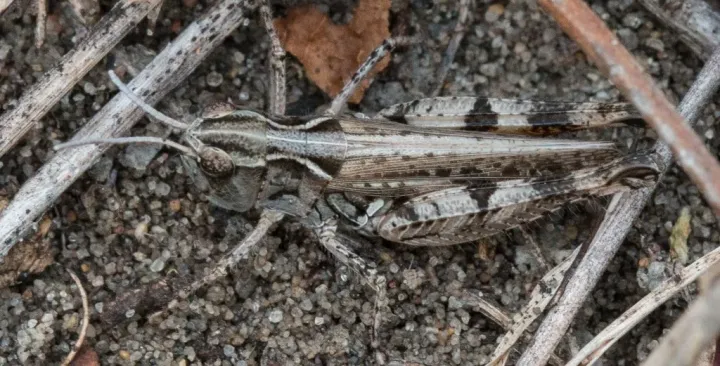
Ageneotettix deorum, commonly known as the white-whiskered grasshopper, is a member of the Acrididae family. It is a widespread North American species adapted to dry grasslands and prairie habitats.
Adults are small to medium-sized grasshoppers characterized by a mottled brown or tan coloration, which provides excellent camouflage against dry soil and withered grasses.
The antennae of this species often exhibit a distinct whitish or pale color at the base, which is a key identification feature for those monitoring agricultural landscapes.
The body structure is typical for gomphocerine grasshoppers, with males being smaller and more slender than the females, which are built for efficient egg-laying in compact soil.
Proper identification usually requires close examination of the hind legs and the pronotum, as they share morphological traits with other local species of short-horned grasshoppers.
What it damages
This grasshopper species is a specialized feeder that predominantly targets grasses, making it a significant potential pest for agricultural cereals such as wheat, barley, and oats.
Damage begins with small notches eaten along the edges of leaf blades, which expand rapidly as the grasshoppers mature and their appetite increases during the summer heat.
Heavy infestations can lead to the severe defoliation of cereal crops, resulting in reduced photosynthetic capacity and significant yield losses for farmers in affected regions.
Beyond leaf consumption, these insects may feed on the stems or heads of developing grains, causing structural damage that weakens the plant and leaves it vulnerable to lodging.
Because they often thrive in the same arid environments where small grains are grown, their impact on pasture and crop biomass can be particularly devastating during drought years.
When it appears
Ageneotettix deorum typically has one generation per year, completing its entire life cycle within the constraints of the regional growing season.
The insect overwinters in the egg stage, with females depositing their eggs in pods within the soil surface, primarily in areas with sparse vegetation or along field margins.
Nymphs emerge in late spring as temperatures rise, and they progress through several developmental stages, or instars, feeding on available green biomass throughout this period.
Adult grasshoppers are most active during the peak of summer, typically from July through September, which coincides with the final growth phases of many cereal crops.
By late autumn, adult populations diminish after reproduction is completed, ensuring that the eggs in the soil remain dormant and protected until the next spring season.
Signs of infestation
Field signs of infestation often include uneven or ragged edges on the leaves of cereal plants, which is a classic indicator of grasshopper feeding activity.
- Physical presence of nymphs or adults jumping when disturbed in the field.
- Small, dark fecal pellets left on the leaves and at the base of the stems.
- Patches of thinning crop density due to concentrated feeding by swarms.
- Visible damage to the grain heads if the infestation occurs during the maturation phase.
- Increased bird activity in the fields, often attracted by the abundance of insects.
Scouting field borders and adjacent uncultivated areas during early summer is essential for detecting the presence of nymphs before they migrate into the crop.
Control measures
Cultural control strategies include maintaining clean field margins and implementing tillage practices that disrupt soil-dwelling egg pods to reduce local population numbers.
The use of chemical insecticides is often necessary when threshold levels of grasshoppers per square meter are exceeded, particularly during the early nymphal stages.
Biological control agents, including specialized pathogens like fungi and bacteria, can help suppress populations naturally if environmental conditions are favorable.
Monitoring is crucial; utilizing sweep nets to count the number of insects per unit area allows growers to make informed decisions about whether or not to initiate control measures.
Integrated Pest Management (IPM) encourages a combination of these methods to ensure sustainable control while minimizing the long-term impact on beneficial local insect populations.
Taxonomy
- Latin name
- Ageneotettix deorum
- Order
- Orthoptera (locusts)
- Family
- Acrididae
- EPPO code
- AGETDE
Discussion
No discussions yet — be the first.