
Aelia virgata
Aelia virgata
Description
How to identify
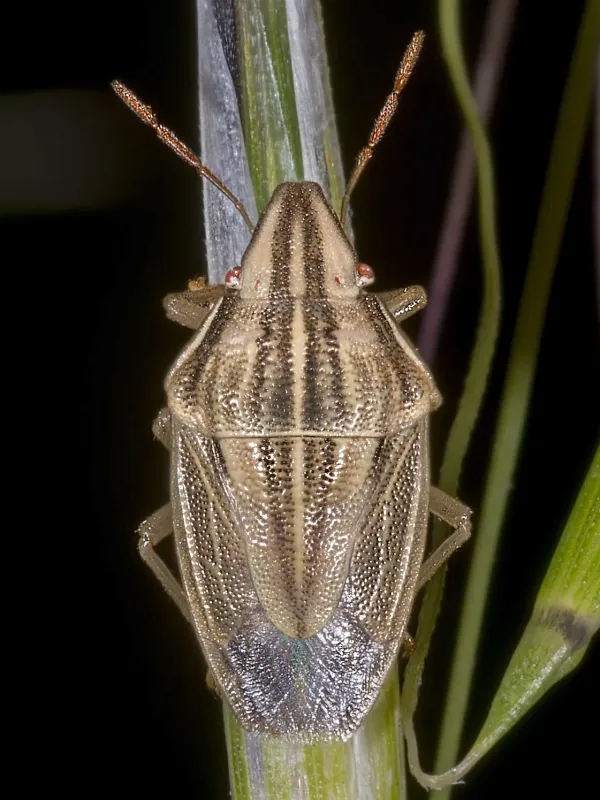
Aelia virgata is a species of stink bug belonging to the family Pentatomidae. It is a significant pest of various cereal crops, closely related to other shield bugs known for damaging grain yields.
The adult insect is typically between 8 and 12 mm long, characterized by an elongated body shape and distinctive light-colored longitudinal stripes running along the pronotum and scutellum.
These bugs hibernate as adults in sheltered areas such as leaf litter, forests, or grasslands. As temperatures rise in spring, they migrate to fields to feed and reproduce.
The life cycle consists of eggs deposited on plant surfaces, followed by five nymphal instars that resemble adults but are smaller and wingless. There is usually one generation per year.
Identification is based on the insect's color patterns and morphological features of the head and thorax, which distinguish it from other species like the Eurygaster integriceps.
What it damages
Aelia virgata causes damage by sucking sap from the stems and developing ears of cereal crops including wheat, barley, rye, and oats.
Early-season feeding on stems can cause stunting and general weakening of the plants. However, the most severe damage occurs when they feed on the grain during the milking and dough stages.
The bugs inject salivary enzymes into the grain while feeding. These enzymes significantly degrade the gluten protein, making the flour unsuitable for baking as the dough loses elasticity and structure.
This biological damage reduces the commercial grade of the grain, leading to severe economic losses for farmers, even if the physical weight of the harvest remains relatively stable.
Affected grains often appear shriveled, deformed, or discolored, serving as a clear indicator of heavy infestation levels within the crop stand.
Signs of infestation
Monitoring for Aelia virgata should begin in late spring. Field scouts often use sweep nets to detect the presence of adults migrating from hibernation sites to the wheat fields.
Signs of infestation include the presence of dead or dying tillers and the characteristic necrotic spots on the stems where the insects have inserted their mouthparts.
Close inspection of the ears during the grain-filling stage can reveal darkened punctures or signs of localized tissue death on the glumes and grain kernels themselves.
In cases of high infestation, patches of white, empty heads may appear across the field, indicating that the grain development was arrested due to intense feeding pressure.
The smell of the insects, often described as pungent or musky, can also be a noticeable indicator when standing near a heavily infested area of the field.
Control measures
Management of Aelia virgata relies on integrated pest management (IPM) practices, emphasizing cultural control and targeted chemical interventions only when necessary.
Cultural practices include the removal of crop residues and management of weeds in surrounding non-crop areas to eliminate favorable overwintering sites for the bugs.
Timely harvesting is a critical management tool, as it removes the food source for the nymphs, effectively halting the development of the generation and limiting damage.
When economic thresholds are met, the application of registered insecticides is recommended. Choosing products with the right mode of action is crucial for effectiveness and environmental safety.
Adherence to pre-harvest intervals and pesticide application regulations is mandatory to ensure that the grain remains safe for human consumption and meets international trade standards.
Taxonomy
- Latin name
- Aelia virgata
- Order
- Hemiptera (bugs, aphids, leafhoppers)
- Family
- Pentatomidae
- EPPO code
- AELIVI
Discussion
No discussions yet — be the first.