
Aelia klugii
Aelia klugii
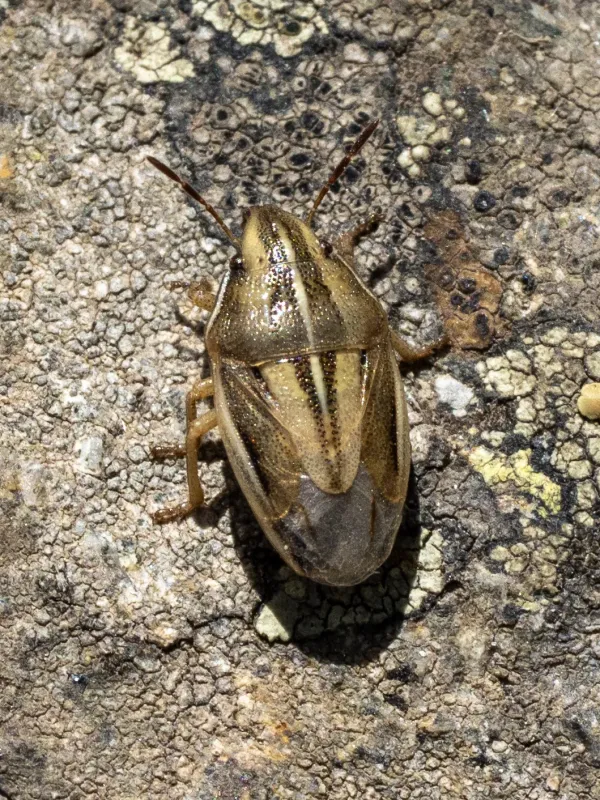
Description
How to identify
Aelia klugii is a member of the shield bug family (Pentatomidae). These insects are typically 9–11 mm long with an elongated body that is light brown or greyish-yellow in colour, featuring characteristic longitudinal stripes along the pronotum and scutellum.
The head is triangular and elongated, which is a key morphological feature for identification. Like other members of the Aelia genus, their five-segmented antennae and specialized mouthparts allow them to effectively penetrate plant tissues to feed on cell sap.
What it damages
This species is a significant pest of various cereal crops. It predominantly targets wheat, barley, and rye, causing direct losses by feeding on stems, leaves, and developing grain kernels during the milky and dough stages of maturity.
The feeding activity involves injecting digestive enzymes into the plant tissue, which causes physiological disruption. This leads to reduced plant vigor, poor grain development, and significant yield loss in heavily infested fields.
When it appears
The life cycle begins when overwintered adults emerge from sheltered areas such as hedgerows and forest belts in early spring. They migrate to cereal crops to feed and lay eggs on the leaves and stems.
The larvae progress through five instars throughout the spring and early summer. By mid-summer, the new generation of adults reaches maturity and eventually moves back to hibernation sites as temperatures decrease towards the end of the season.
Signs of infestation
Visible signs of infestation include chlorotic spots on leaves where the bugs have fed. If the stem is damaged early in the development, the spikes may turn white and fail to produce viable grain, a condition sometimes referred to as 'whitehead'.
Kernels attacked by the bug exhibit small dark spots at the puncture sites. The enzymes introduced by the bug break down gluten proteins, which drastically diminishes the baking quality and overall commercial value of the wheat.
Control measures
Effective management starts with cultural practices such as controlling grassy weeds that provide refuge for the bugs. Harvesting crops as early as possible can also help reduce the exposure time of the grain to adult feeding.
When infestation levels exceed the economic threshold, targeted insecticide applications are necessary. Utilizing pyrethroid or neonicotinoid sprays during the peak of larval development is the most common method to prevent economic damage.
Taxonomy
- Latin name
- Aelia klugii
- Order
- Hemiptera (bugs, aphids, leafhoppers)
- Family
- Pentatomidae
- EPPO code
- AELIKL
Discussion
No discussions yet — be the first.