
Japanese pine web-spinning sawfly
Acantholyda nipponica
Description
How to identify
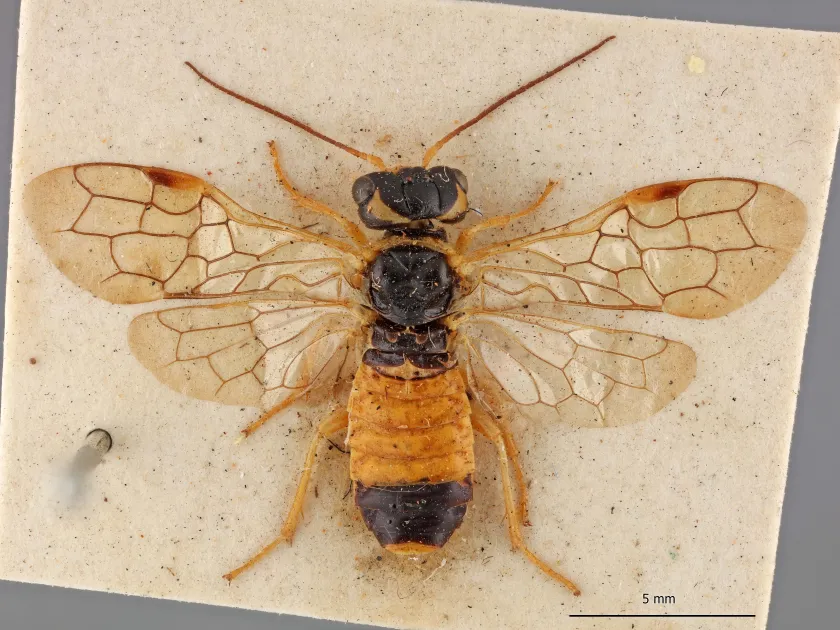
The Japanese pine web-spinning sawfly (Acantholyda nipponica) is a member of the Pamphiliidae family, known for their unique behavior of constructing webs during their larval stage. These insects are significant pests of pine species.
The adult sawfly is a small hymenopteran that emerges during the spring. They are responsible for laying eggs on the needles of host trees, beginning the cycle that eventually leads to infestation.
Larvae are characterized by a distinct body shape suited for living inside silk tubes. Unlike other sawflies, they do not possess abdominal prolegs, which distinguishes them in morphological studies.
The life cycle involves a period spent in the larval stage, followed by an overwintering phase in the soil as a prepupa. This biology makes them resilient to seasonal changes and difficult to eradicate if the soil is not addressed.
Identifying the species involves examining both the adult morphology and the specific structure of the larval web, which is unique to the Pamphiliidae family. Monitoring for these structures is the most reliable way to confirm their presence.
What it damages
Acantholyda nipponica primarily attacks various species of pine trees. The larvae are voracious feeders that consume needles, often stripping branches and leading to significant aesthetic and physiological damage.
Damage is characterized by the presence of silk-webbed nests that house the larvae. As they feed, they incorporate their frass and needle fragments into these webs, creating a messy and visible impact on the canopy.
The destruction of foliage reduces the photosynthetic capacity of the tree, causing the needles to yellow and drop prematurely. Persistent infestation can lead to stunted growth and the death of young or weakened trees.
In addition to physical foliage loss, the accumulation of webs can trap moisture and debris, fostering the growth of secondary fungal pathogens. This weakens the tree's overall defense mechanism against other pests.
The visual impact of a heavy infestation is severe, as the tree loses its density and healthy appearance. In landscaping, this can result in the loss of ornamental value for affected pine specimens.
Signs of infestation
The most prominent sign of infestation is the presence of webbed nests attached to the branches. These structures, made of silk and needle debris, are easily visible when inspecting the canopy.
A high amount of frass (larval excrement) falling to the ground beneath the tree is a clear indicator of active feeding. This is often noticed before the webs themselves are spotted.
Brown, dry needles clumped together within the silk structure are a classic sign of active sawfly activity. If you carefully open these clumps, you will likely find the larvae inside.
In cases of high infestation, thinning of the needles in the upper part of the crown is observed. The tree will appear patchy, with localized areas of defoliation corresponding to the locations of the nests.
The presence of insect-eating birds inspecting specific branches of the pine tree can serve as a biological indicator of the presence of the sawfly larvae, as they are a significant food source for many species.
Control measures
Mechanical control is effective for small-scale infestations. This involves manually removing and destroying the webbed nests during the larval stage before they drop to the ground to pupate.
Chemical control utilizing systemic insecticides can be used to treat infested trees, especially in nursery settings or where the infestation is widespread. Treatment timing should coincide with egg-hatching or early larval activity.
Biological control methods, such as the application of microbial insecticides like Bacillus thuringiensis, are effective against young larvae and are considered environmentally safer for ornamental gardens.
Maintaining tree vigor through proper irrigation and fertilization is crucial for building resistance against sawfly damage. A healthy tree can better tolerate moderate feeding pressure.
Preventative monitoring in the spring is essential. By identifying the adult sawflies or early webs, homeowners can initiate control measures before the population reaches damaging levels.
Taxonomy
- Latin name
- Acantholyda nipponica
- Order
- Hymenoptera
- Family
- Pamphiliidae
- EPPO code
- ACATNI
Discussion
No discussions yet — be the first.