
Unknown pathogen
Unknown pathogen
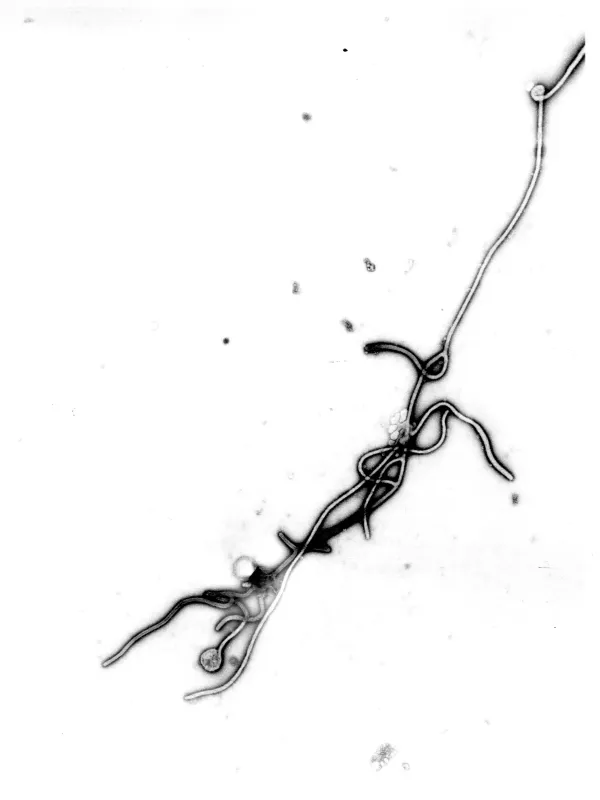
Description
How to identify
The term "unknown pathogen" is used in agronomy to describe situations where plant symptoms do not match the clinical profiles of documented viruses, fungi, or bacteria.
To identify the agent, agronomists utilize microscopic examination to verify the absence of mycelium, bacterial streaming, or characteristic fungal sporulation structures.
If microscopic tests remain inconclusive, molecular diagnostic tools such as PCR are employed to detect hidden viral sequences or non-culturable organisms.
Field specialists conduct differential diagnosis to rule out abiotic factors like nutrient deficiencies, herbicide drift, or physiological stress caused by weather.
The final confirmation often involves isolation of the pathogen on specialized culture media, followed by reinfection assays to fulfill Koch's postulates.
What it damages
Unknown pathogens pose a significant threat to agricultural productivity, potentially causing yield losses across diverse crop species in various environments.
Systemic damage often manifests as inhibited plant development, foliage discoloration, and irregular fruit maturation patterns.
Some unidentified pathogens specifically target vascular tissues, leading to sudden wilting that is often misattributed to drought or lack of water.
The economic impact can be severe if the pathogen spreads rapidly, affecting the entire crop batch and reducing the marketability of the produce.
Long-term soil health may also be compromised if the pathogen persists in the environment as a dormant structure or in plant debris.
When it appears
Outbreaks of unidentified pathogens are frequently linked to periods of extreme environmental volatility, such as prolonged humidity or heatwaves.
Springtime often reveals early-season infections when plants are emerging and are most susceptible to soil-borne biological agents.
Summer conditions may favor the spread of these pathogens via insect vectors, even if the primary host or the pathogen itself remains unidentified.
Autumn conditions, characterized by high dew points and cooler temperatures, can exacerbate secondary infections on previously stressed tissues.
The seasonal progression often dictates the window of opportunity for effective monitoring and early intervention measures.
Signs of infestation
Primary signs include irregular necrosis, chlorotic mottling, or distortion of leaves that do not correspond to known disease catalogues.
Affected plants often show a generalized reduction in vigor, stunted growth, or atypical branching patterns compared to healthy individuals.
- Vascular browning within stems.
- Abnormal galls or root system degradation.
- Premature fruit drop without signs of rot.
- Irregular mosaic or ring-spot patterns on leaves.
A key sign of an unidentified pathogen is a consistent failure to respond to conventional broad-spectrum fungicide or bactericide treatments.
Control measures
Quarantine is the initial step: isolate the affected crop areas immediately to prevent the spread of the unidentified agent to neighboring healthy plants.
Strict sanitation protocols must be enforced, including the sterilization of all agricultural tools, machinery, and equipment used in the infested zone.
While the pathogen is being identified, support the crop with biostimulants and fertilizers to boost natural resistance against secondary stresses.
Implement rigorous field sanitation by removing and safely disposing of infected plant material to reduce the total inoculum load in the field.
Avoid excessive chemical usage until a precise diagnosis is confirmed, as broad-spectrum treatments can sometimes disrupt beneficial microbial communities.
Causes diseases · 1
Discussion
No discussions yet — be the first.