
Common bunt of wheat
Tuburcinia tritici
Description
How to identify
Common bunt of wheat, also known as stinking smut, is caused by the basidiomycetous fungus Tilletia caries (often referred to as Tilletia tritici). Historically, it was sometimes associated with the name Tuburcinia tritici, but modern taxonomy classifies it strictly within the Tilletia genus.
The pathogen is an obligate parasite that specifically infects wheat. It persists in the form of teliospores either on the surface of seeds or within the soil, waiting for the germination phase of the host plant.
The life cycle is closely synchronized with the host's development. Infection begins when the fungus penetrates the seedling tissue. The mycelium then grows systemically within the plant without showing any external symptoms until the heading stage.
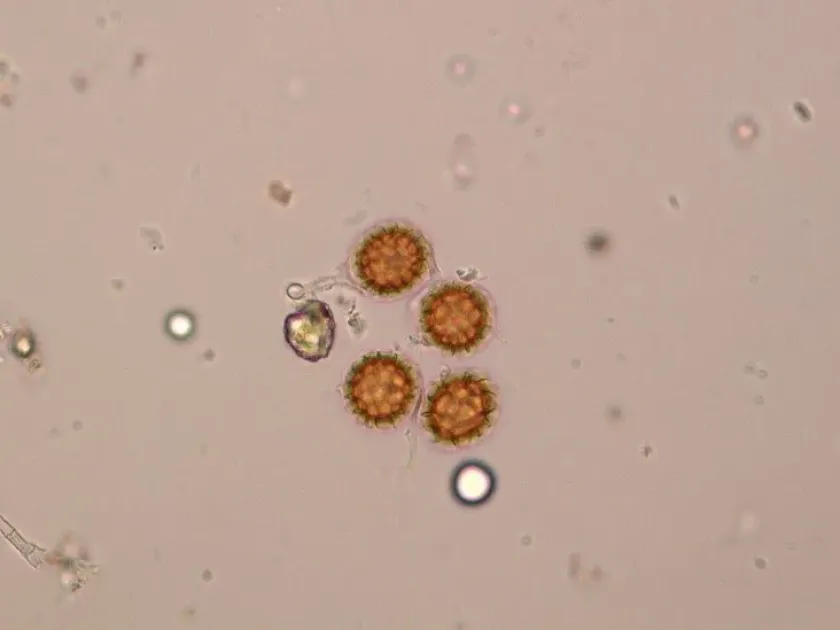
Once the wheat heads emerge, the fungus invades the ovaries, replacing the internal grain tissues with a dense, black mass of teliospores. These spores are enclosed in a thin membrane, forming what is known as a bunt ball.
A distinctive feature of this pathogen is the production of trimethylamine, which gives infected heads and harvested grain a strong, characteristic odor similar to rotting fish.
What it damages
Common bunt is a serious disease that affects both winter and spring wheat. It causes significant yield losses by converting the entire grain content into fungal spores, rendering the crop unmarketable.
Beyond the direct reduction in grain weight, the quality of the harvested produce is severely compromised. Wheat contaminated with bunt is generally rejected by mills due to its poor color, unpleasant smell, and bitter taste.
In addition to financial losses, the disease poses a threat to future yields. Bunt spores can persist in the soil for several years, creating a reservoir of infection that can infect subsequent wheat crops.
The presence of contaminated grain complicates harvesting and storage. The breakage of bunt balls during harvesting releases millions of spores into the air, leading to potential respiratory issues and machinery contamination.
Effective management is crucial to avoid large-scale epiphytotics. In severe cases, where control measures are neglected, the percentage of infected heads can be high enough to cause total crop failure.
When it appears
Infection occurs primarily during the germination phase of the wheat seed. Conditions that favor the pathogen include cool and moist soil, with temperatures ranging from +5°C to +15°C being optimal.
The fungus remains in a dormant state within the plant tissue throughout the vegetative phase. This latent period ensures that the pathogen is well-established before the plant starts to reproduce.
Symptoms of the disease become apparent during the milk to soft dough stage of grain development. The infected heads often appear slightly distorted and maintain their green color for longer than healthy plants.
Spore dispersal occurs during the harvesting process. When the brittle bunt balls are crushed, the spores are released, spreading across the field and contaminating both the harvested grain and the soil.
Overwintering occurs either as spores attached to seed coats or as dormant spores in the soil, ensuring the survival of the pathogen until the next planting season.
Signs of infestation
Symptoms are most visible at the grain maturity stage. Infected heads are often greener and more elongated than healthy heads, and the glumes tend to spread apart more widely.
- Replacement of healthy grains with dark brown or black bunt balls.
- The distinct "fishy" odor emitted by the crop.
- A stunted appearance of the infected plants.
- Deformed or outward-spreading glumes.
- The release of a fine, black powdery spore mass when bunt balls are ruptured.
Control measures
The most effective strategy for managing common bunt is the use of high-quality systemic fungicides as seed treatments. This protects the vulnerable seedling from infection originating from both seeds and the soil.
Good agricultural practices are essential, including the use of certified, disease-free seed and the selection of resistant wheat varieties that help minimize the risk of infection.
Managing the sowing time is also important. Sowing when soil temperatures are not conducive to fungal germination can help reduce the incidence of the disease in winter wheat.
Crop rotation helps to lower the inoculum levels in the soil. While spores may survive for several years, rotating with non-host crops allows for the natural decline of the pathogen population.
Sanitation of harvesting equipment is necessary to prevent the mechanical transfer of spores from infested fields to clean ones, ensuring that the pathogen does not spread to unaffected areas.
Causes diseases · 1
Discussion
No discussions yet — be the first.