
Syncephalastrum
Syncephalastrum
Description
How to identify
Syncephalastrum belongs to the kingdom Fungi, phylum Mucoromycota, order Mucorales. It is a microscopic mold fungus often classified as an opportunistic pathogen.
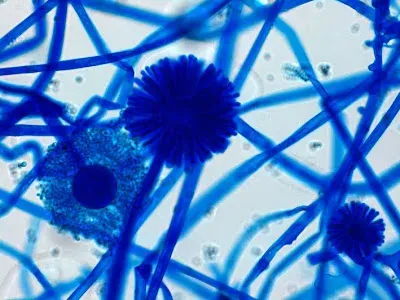
This genus is characterized by the presence of specific structures called merosporangia, which are arranged radially on a vesicle. The fungus mycelium grows rapidly, forming fluffy colonies that appear gray, brownish, or nearly black.
In laboratory conditions, the fungus is easily identified by its characteristic sporangial heads, which resemble the shape of a daisy. The optimal temperature for active spore growth ranges from +25°C to +35°C.
The fungus is distinguished by high metabolic activity and the ability to efficiently utilize various organic substrates for nutrition. It is a cosmopolitan organism found in soils and plant debris worldwide.
Systematically, the species Syncephalastrum racemosum is the most studied representative of the genus, most frequently associated with the spoilage of agricultural products and weakened plants.
What it damages
Syncephalastrum primarily affects weakened plant tissues, stored seeds, and vegetable produce. It acts as a saprotroph that transitions to parasitism when the host plant's immunity is compromised.
The fungus causes the greatest damage during post-harvest storage under conditions of high humidity. Sunflower seeds, peanuts, corn, and various vegetable fruits are among the most vulnerable crops.
Infection leads to rapid softening and rotting of tissues. The metabolic byproducts of the fungus often render produce unfit for consumption or processing due to the accumulation of mycotoxins.
In field conditions, the fungus can develop on insect-damaged stems or fruits. This secondary infection often exacerbates the progression of other bacterial or fungal diseases.
For industrial warehouses, this phytopathogen is dangerous because its spores spread rapidly through ventilation systems, infecting healthy batches of grain or vegetables located near the source of infection.
Signs of infestation
The primary external sign of infection is the appearance of rapidly growing, cottony mycelium, gray or dark-gray in color, on the surface of the affected plant part.
As the disease progresses, the surface of the fruit or seed becomes covered with a dense mat, which eventually darkens due to the mass maturation of black sporangiospores.
Affected tissues become water-soaked, lose structural integrity, and emit a characteristic musty odor common to Mucorales fungi during active decay.
In the case of seed infection, a decrease in germination and seedling vigor is noted. The embryo of the seed may die before sprouting due to the toxic effects of the fungal hyphae.
If root infection occurs, overall stunting of plant growth, leaf chlorosis, and subsequent wilting can be observed, even in the absence of obvious external mechanical damage.
Control measures
The main control method involves maintaining optimal humidity levels in storage facilities (not exceeding 12-14% for grain), which inhibits spore germination.
It is essential to conduct regular disinfection of storage areas, containers, and equipment using fungicidal solutions to prevent the build-up of an infectious background.
In field conditions, it is necessary to follow proper agronomic practices aimed at boosting plant immunity, including balanced fertilization and timely pest control.
Crop rotation and deep incorporation of crop residues into the soil are recommended, as these residues serve as the primary reservoir for fungi of this order in the soil layer.
- Application of fungicides for seed treatment before sowing.
- Ensuring effective aeration during product storage.
- Timely harvesting and removal of damaged or infected fruits.
Causes diseases · 1
Discussion
No discussions yet — be the first.