
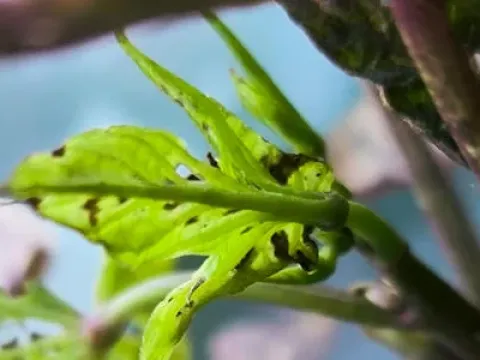
Sweet potato leaf curl virus
Sweet potato
Sweet potato leaf curl virus (SPLCV) is a plant virus belonging to the genus Begomovirus within the family Geminiviridae. It is characterized by a circular, single-stranded DNA genome and is a significant pathogen of the sweet potato crop worldwide.
What the section contains
Sweet potato leaf curl virus
The virus is primarily transmitted by the whitefly Bemisia tabaci in a persistent, circulative manner. Once the whitefly acquires the virus, it remains a vector for the rest of its lifespan, facilitating rapid spread within plantations.
Transmission can also occur through the use of infected planting materials such as slips and storage roots, making sanitation of propagation material critical for disease management.
Identification in the field is difficult due to the frequent presence of mixed infections with other sweet potato viruses, which may mask the specific symptoms of SPLCV.
Diagnostic confirmation requires modern laboratory techniques, specifically PCR-based molecular assays, to accurately detect the presence of viral DNA within the host tissue.
The primary host for this virus is the sweet potato (Ipomoea batatas). The pathogen spreads systemically throughout the vascular system, affecting the overall physiological development of the plant.
In addition to sweet potatoes, the virus has been found in various species of the Convolvulaceae family, which serve as alternative hosts and reservoirs for the virus during off-seasons.
Viral infection disrupts the plant's ability to perform photosynthesis efficiently, leading to reduced accumulation of starch and sugars in the tubers.
The severity of the damage is highly dependent on the plant's age at the time of infection and the susceptibility of the specific cultivar being grown.
Economic losses arise not only from reduced tuber weight but also from the degradation of tuber quality, making them unsuitable for commercial markets.
The most diagnostic symptom of the virus is leaf curling, where leaf margins bend upward or downward, often resulting in a distorted and crinkled appearance.
Affected plants often show stunted growth with significantly shortened internodes, leading to a compact, bushy appearance rather than the typical trailing vine growth.
Chlorosis and mosaic patterns may appear on the foliage, as the virus interferes with normal nutrient transport and pigment development within the leaves.
As the disease progresses, the plant's vigor declines, and the canopy density decreases, directly impacting the photosynthetic capacity of the entire crop.
- Severe curling and distortion of leaf laminae.
- General stunting of the plant with reduced internode length.
- Development of chlorotic patterns and mosaic-like spots.
- Decreased tuber yield and overall reduction in plant vigor.
The primary control strategy is the use of high-quality, virus-indexed propagation material, which is typically produced through meristem-tip culture in certified nurseries.
Rigorous management of the whitefly population is essential, utilizing integrated pest management (IPM) practices, including the use of insecticides and reflective mulches.
Rogueing of infected plants early in the season is recommended to remove primary inoculum sources and minimize the secondary spread within the field.
Weed management, particularly targeting Convolvulaceae species in and around the fields, is crucial to eliminate reservoirs that sustain the virus population.
Breeding and selecting for virus-resistant cultivars remain the most sustainable long-term methods for mitigating the impact of SPLCV on sweet potato production.