
Sunflower phyllody
Sunflower phyllody
Description
How to identify
Sunflower phyllody is caused by phytoplasmas, which are specialized, cell-wall-deficient prokaryotes belonging to the class Mollicutes. These pathogens are obligate parasites that exclusively inhabit the sieve tube elements of the plant's phloem.
The transmission of this pathogen is primarily mediated by insect vectors, most notably leafhoppers (Cicadellidae). When these insects feed on infected plants, they acquire the phytoplasma and subsequently inoculate healthy sunflowers during their feeding process.
Upon entering the host plant, the phytoplasma colonizes the phloem and disrupts the translocation of nutrients and signal molecules. This biochemical interference causes significant hormonal imbalances, leading to the characteristic morphological changes.
The severity of the disease is heavily influenced by environmental conditions. Hot and arid weather patterns generally favor the proliferation and movement of leafhopper populations, thereby increasing the incidence of the disease in agricultural landscapes.
Phytoplasmas have an exceptionally broad host range, infecting various weeds and ornamental plants. This ecological diversity allows the pathogen to persist in the environment even in the absence of a primary crop.
What it damages
Sunflower is the primary economic host for this pathogen, but related species in the Asteraceae family are also susceptible. The presence of these alternative hosts creates a continuous infection cycle within the farming ecosystem.
The economic impact of phyllody is severe because it causes complete sterility of the infected flower heads. The transformation of reproductive organs into vegetative tissue renders the plant incapable of producing achenes, leading to total yield loss in affected areas.
Beyond yield loss, systemic infection weakens the plant's physiological resilience. This makes affected sunflowers more prone to secondary infections by opportunist fungi and bacteria, further complicating the plant's health status.
Financial losses are compounded by the costs of managing the vectors and the potential need for premature abandonment of severely affected crop segments. Large-scale outbreaks can significantly reduce the overall profitability of the field.
Furthermore, irregular ripening and the presence of malformed biomass can impede mechanical harvesting operations, potentially causing damage to equipment and reducing the quality of the final harvest.
Signs of infestation
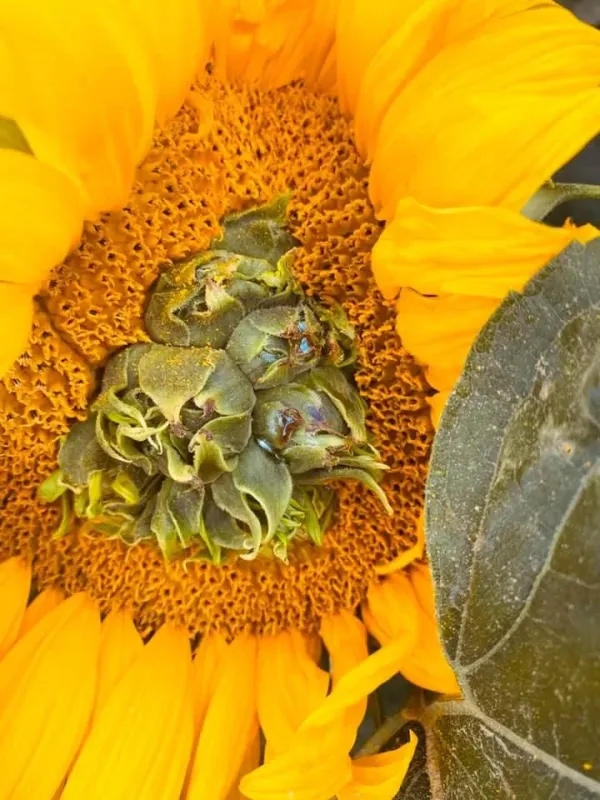
The most diagnostic sign of sunflower phyllody is the transformation of floral parts into green, leaf-like structures, a process known as virescence or phyllody. This happens because the hormonal control of flower development is severely disrupted.
The sunflower head becomes distorted, often appearing smaller or transformed into a dense, leaf-covered cluster. Normal floret development is arrested, and the characteristic reproductive structures are absent or replaced by leaves.
Infected plants frequently exhibit stunted growth, shortened internodes, and altered branching. The leaves may show signs of chlorosis or curling, reflecting the underlying damage to the vascular tissue and nutrient distribution.
- Replacement of florets with leaf-like tissues.
- Total lack of seed set in the affected heads.
- Deformation and shrinking of the flower head diameter.
- Stunted plant height and bushy appearance.
Early identification is key, usually performed during the flowering stage. It is important to distinguish these symptoms from herbicide drift injury or physiological disorders by noting the presence of insect vectors.
Control measures
The primary control strategy involves managing the population of insect vectors. Systemic insecticides applied during the early vegetative stages are crucial for reducing the pressure of leafhoppers in the field.
Integrated weed management is essential for long-term control. Removing weeds from field margins and surrounding areas eliminates the primary reservoirs where phytoplasmas survive and vector populations breed.
Spatial isolation of new sunflower plantings from older or previously affected fields can help limit the spread of the disease. This prevents the movement of infected vectors from localized hotspots into the main crop.
Selection of resistant or tolerant cultivars remains the most sustainable approach, although breeding for phytoplasma resistance is a complex and ongoing effort in sunflower research.
In cases of heavy localized infestation, removing and destroying symptomatic plants can help prevent further spread by limiting the amount of inoculum available to insect vectors within the field.
Causes diseases · 1
Discussion
No discussions yet — be the first.