
Bean stagonosporopsis blight
Stagonosporopsis hortensis
Description
How to identify
Bean stagonosporopsis blight is caused by the fungus Stagonosporopsis hortensis (formerly Ascochyta phaseolorum), a significant pathogen affecting common beans. It belongs to the Ascomycota division and is known for its ability to cause severe damage in various agricultural environments.
The fungus produces pycnidia, which are small fruiting bodies containing numerous conidia. These spores are the primary means of dispersal within the field and are spread by rain splashes, wind, and irrigation water.
The pathogen is highly persistent, capable of surviving in soil, on crop debris, and within infected seeds. This versatility makes it a challenging pathogen to manage in integrated pest management systems.
Taxonomically, the fungus is characterized by both asexual and sexual stages in its life cycle, which contribute to its genetic adaptability and persistence in the environment across multiple seasons.
Laboratory identification involves isolating the fungus on culture media, where it typically develops colonies with dark pycnidia, allowing experts to confirm the presence of the pathogen in seed lots.
What it damages
This disease impacts all parts of the bean plant, leading to significant yield losses. It is particularly destructive during the early stages of plant development and during the pod-filling phase, affecting both seed quantity and quality.
Seedlings are often severely affected, showing necrotic spots on cotyledons that can kill the growing point. This results in pre-emergence or post-emergence damping-off, causing reduced stand density in the fields.
Leaves display characteristic spots with necrotic centers, which cause premature defoliation. A reduction in leaf area directly leads to poor grain filling and a significant decrease in total harvest weight.
Stem infections manifest as deep cankers that weaken the plant structure, causing them to lodge or snap under stress. This interrupts the vascular system, leading to wilting and poor development of the pods.
Pod infection results in contaminated seeds, which carry the pathogen into the next season. Infected seeds are often discolored, shriveled, and have significantly lower germination rates compared to healthy seeds.
When it appears
The infection cycle primarily begins with contaminated seeds. As the seed germinates, the fungus spreads to the cotyledons, serving as the first inoculum source in the field during the growing season.
Development and spread are favored by moderate temperatures ranging from 20–25°C and high humidity. Frequent rainfall is critical for the release and dissemination of spores from pycnidia to healthy plant parts.
Multiple secondary infection cycles can occur throughout the growing season. In rainy years, the disease can spread rapidly, reaching epiphytotic proportions if environmental conditions remain favorable.
As the season comes to an end, the fungus enters a dormant stage. It survives in plant debris left in the field, where it remains as pycnidia or dormant mycelium, waiting for the return of favorable conditions.
Dew and high soil moisture levels also contribute to the persistence of the pathogen, allowing it to re-infect emerging crops in the subsequent agricultural cycle.
Signs of infestation
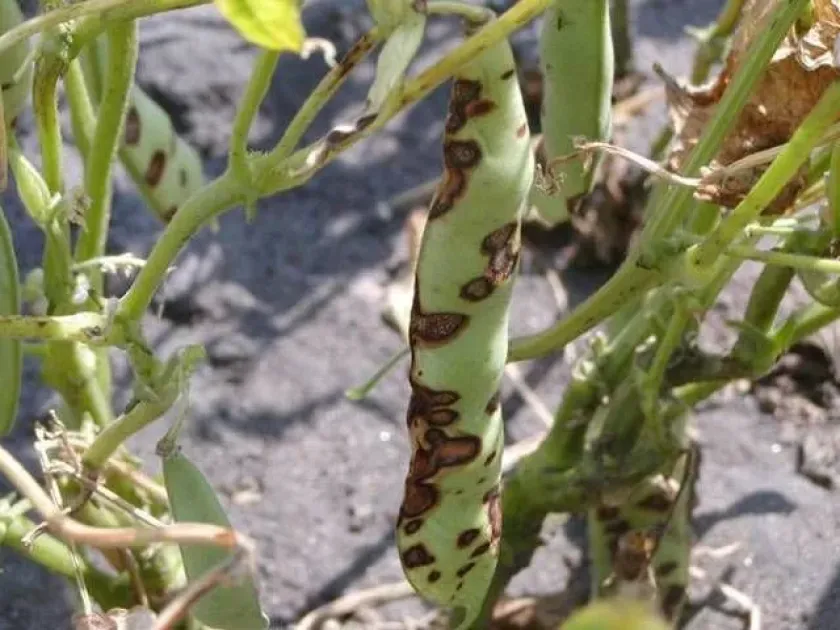
The most distinctive signs of infection are necrotic spots on leaves, stems, and pods. These spots often feature a dark border surrounding a lighter, dead tissue center, which is a classic diagnostic symptom.
Tiny black specks, which are the pycnidia, can be observed within the necrotic tissue. These structures are the hallmark of Stagonosporopsis hortensis infection and are visible to the naked eye upon closer inspection.
On stems, the disease presents as longitudinal lesions or ulcers. These lesions can girdle the stem, causing the upper part of the plant to wilt and die, a sign often mistaken for other wilting diseases.
Infected pods show darkened, sunken lesions. Under high moisture conditions, a white or pinkish sporulation layer may develop on the surface of these spots, indicating active production of conidia.
Seeds originating from diseased plants often show brown necrotic lesions or general discoloration. These visual indicators are vital for identifying poor-quality seed batches that should be avoided.
Control measures
Managing bean stagonosporopsis blight requires a comprehensive strategy focused on preventing the introduction of the pathogen into the field.
- Sourcing certified, disease-free seed is the most effective way to prevent primary infections.
- Implementing a robust crop rotation schedule, avoiding beans in the same soil for at least 3 years.
- Sanitation practices, such as deep plowing and removing crop residues, to reduce local inoculum.
- Using seed treatments with appropriate fungicides to disinfect the seed surface and internal tissues.
- Applying foliar fungicides during the growing season if the weather becomes conducive to disease development.
Integrated approaches, including improving field ventilation and maintaining balanced soil fertility, help minimize the impact of the disease and protect overall crop yield potential.
Causes diseases · 1
Discussion
No discussions yet — be the first.