
Sporobolomyces
Sporobolomyces
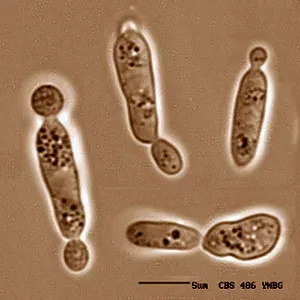
Description
How to identify
Sporobolomyces is a genus of basidiomycetous yeast-like fungi classified within the order Sporidiobolales. These organisms are commonly found as epiphytes on the phyllosphere of numerous plants.
They are characterized by the production of ballistospores, which are actively discharged into the air, allowing for rapid dispersal across agricultural landscapes.
Taxonomically, they belong to the group of imperfect yeasts, although they possess a sexual stage under specific environmental conditions.
These fungi typically produce colonies with distinct pink, orange, or red pigments, which are carotenoids that play a protective role against environmental stress.
Laboratory diagnosis is performed through culture media isolation, where they form smooth, glistening, and often mucoid colonies easily distinguishable from common molds.
What it damages
Sporobolomyces acts as a pathogen or a secondary colonizer on a wide range of crops, including cereals, vegetables, and ornamental plants, affecting their vitality.
The fungus colonizes leaves and fruits, leading to tissue necrosis, reduced photosynthetic activity, and a decline in overall plant growth rates.
Economic damage is most significant when the fungus infects fruits or grain during the maturation phase, reducing the quality and market value of the harvest.
During post-harvest storage, the presence of these fungi accelerates the spoilage of fruits and vegetables, causing loss of firmness and visual decay.
While often considered minor, in high-humidity conditions, they can exacerbate the development of more severe phytopathogenic infections by damaging plant surfaces.
Signs of infestation
The primary symptom is the appearance of a soft, pinkish, or cream-colored powdery or mucoid coating on the surface of leaves, stems, and fruits.
Infected areas often develop yellowish or brownish spots, which may expand as the fungus utilizes nutrients from the plant's surface tissues.
Fruits may exhibit water-soaked lesions that eventually become soft and may emit a faint, often yeasty or fermented odor.
In cereal crops, the development of the fungal colonies creates a distinctive "pink mold" appearance on heads, particularly noticeable during humid weather.
Necrotic spots can appear on the foliage, eventually leading to chlorosis and potential premature senescence of the affected leaves if the infection is heavy.
Control measures
Effective management begins with strict agronomic practices, including improving field aeration to prevent moisture accumulation on the plant canopy.
Sanitation is critical; removing crop debris after harvest significantly reduces the inoculum potential of the pathogen for the next growing season.
Fungicide applications are recommended during critical periods of susceptibility, such as bloom or fruit ripening, to protect plant surfaces from colonization.
Biological control using competitive microorganisms can help suppress the population of Sporobolomyces in the phyllosphere, preventing it from reaching damaging levels.
- Maintain appropriate plant density for airflow.
- Practice proper crop rotation cycles.
- Ensure rapid cooling of harvested produce.
- Apply fungicides according to monitoring results.
Discussion
No discussions yet — be the first.