
Serratia marcescens
Serratia marcescens
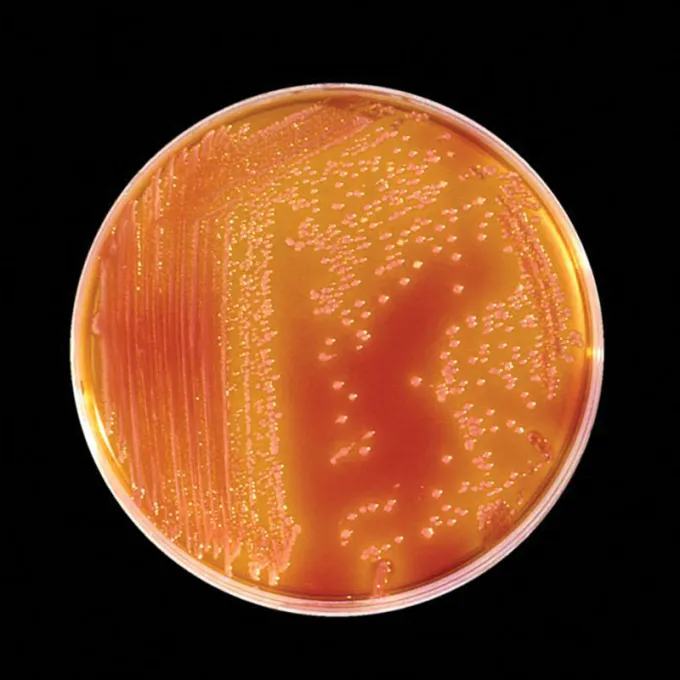
Description
How to identify
Serratia marcescens is a Gram-negative, facultatively anaerobic bacterium belonging to the Yersiniaceae family. In agronomy, it is identified as an opportunistic phytopathogen capable of causing significant disease outbreaks in various crops.
The bacterium is known for producing the pigment prodigiosin, which gives its colonies a distinct red or pink color, often used as a primary diagnostic indicator in laboratory settings.
The pathogen persists in the soil and on plant debris, utilizing organic matter for survival. Its ability to withstand diverse environmental conditions makes it a persistent threat in agricultural systems.
A key survival mechanism of Serratia marcescens is the formation of biofilms, which protect the bacterial population from chemical treatments and competing soil microorganisms.
Field identification requires professional monitoring, as its symptoms often overlap with those of other soft rot bacteria, necessitating microbiological culture methods for precise confirmation.
What it damages
This pathogen causes severe damage to a wide range of vegetables, cereals, and ornamental plants, including potatoes, tomatoes, cucumbers, onions, and various cabbage species.
The bacteria typically enter plant tissues through natural openings, such as stomata, or via physical injuries sustained during cultivation, harvesting, or pest feeding.
Once inside, S. marcescens secretes extracellular enzymes that break down pectin and cell wall structural components, causing the collapse of tissue integrity and rapid decay.
In greenhouse environments, the pathogen can cause damping-off in seedlings, resulting in necrotic lesions on stems and total loss of young plantings if left uncontrolled.
Post-harvest damage is particularly significant, as the bacterium can turn high-value produce into soft, rotting masses within a few days under improper storage conditions.
When it appears
Disease development is most aggressive during periods of high humidity and moderate to high temperatures, typically observed during the summer and early autumn months.
Heavy rainfall events increase the risk of spread, as splashing water carries the bacteria from the soil to the leaves and stems, facilitating new infection sites.
In controlled environments like greenhouses, the cycle of infection can persist throughout the year if ventilation is inadequate and substrate moisture levels are too high.
The optimal temperature for bacterial proliferation ranges between +20°C and +30°C, though the organism remains viable even outside these ranges, entering a state of dormancy until conditions improve.
Initial contamination often occurs through infected seeds, contaminated tools, or infested irrigation water, which serve as the primary sources for early-season outbreaks.
Signs of infestation
The earliest signs of infection include small, water-soaked lesions that rapidly expand, often appearing dark brown or black as the tissue decomposes.
Exudation is a common diagnostic feature, where a sticky, bacterial-rich fluid oozes from the infected areas, sometimes accompanied by a foul, putrid odor typical of soft rot.
Systemic symptoms include wilting of leaves and stems, as the bacteria colonize the vascular system, preventing the upward transport of water and nutrients.
In tubers and fleshy fruits, the internal tissue liquefies, leaving only the outer skin intact while the interior becomes a pulpy, foul-smelling mass.
- Water-soaked, necrotic leaf spots.
- Soft, mushy stems.
- Wilting of healthy-looking plants.
- Strong putrid odor from infected tissues.
Control measures
Effective management requires an integrated approach starting with strict sanitation practices, such as the removal and destruction of all infected plant residues.
Crop rotation should be implemented to prevent the buildup of bacterial populations in the soil, avoiding susceptible hosts in the same plot for several years.
Copper-based sprays can be utilized as a protective measure to limit bacterial colonization on foliage, though they are most effective when applied before the onset of infection.
Irrigation management is crucial; reducing soil moisture and ensuring proper air circulation in greenhouses helps create an environment unsuitable for Serratia marcescens.
Biological control agents, including specific antagonistic bacterial strains, can be applied to enhance plant resistance and outcompete the pathogen in the rhizosphere.
Causes diseases · 1
Discussion
No discussions yet — be the first.