
Root injury
Root injury
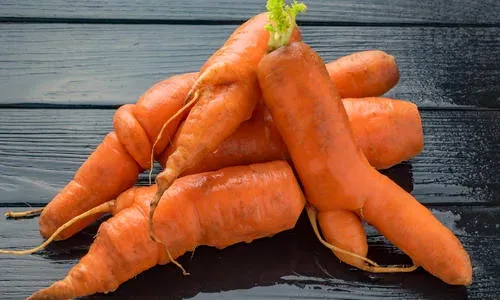
Description
How to identify
Root injury refers to any form of damage to the plant's root system, whether physical, chemical, or biological. In an agronomic context, it is most frequently associated with soil-borne phytopathogens including fungi, oomycetes, and bacteria.
Taxonomically, these injuries are caused by organisms within the kingdoms Fungi, Chromista, and Bacteria. The pathogens degrade cellular walls, destroy vascular systems, and inhibit water uptake.
The primary agents are typically soil-borne, capable of surviving for years in crop debris or as dormant structures like chlamydospores, sclerotia, or oospores.
Identification involves inspecting the roots for necrotic lesions, discoloration (browning or blackening), and the disintegration of the delicate fine roots responsible for nutrient uptake.
Laboratory diagnosis is often required to distinguish between different causative agents, as visual symptoms are often similar across various types of root rot diseases.
What it damages
Root injury affects a vast range of agricultural crops, including cereals, corn, legumes, and vegetable crops. Seedlings are especially susceptible to rapid damage and death.
The core damage mechanism involves the disruption of water and nutrient transport from the soil to the leaves, leading to stunted growth, wilting, and reduced biomass production.
Plants affected by root injury are more prone to lodging because the anchoring function of the roots is compromised, which significantly complicates the harvest process.
Persistent root damage leads to a loss of vigor, making the entire plant field more vulnerable to secondary infections, pest attacks, and environmental stresses like drought.
In severe cases, root injury can result in total crop failure or a drastic reduction in yield due to poor grain filling and early senescence.
When it appears
Root injury patterns are closely linked to soil conditions. Cold and wet conditions in the early spring often trigger outbreaks of oomycetes like Pythium species.
In contrast, warmer and drier conditions during the growing season favor Fusarium infections, which can progress quickly in stressed, weakened plants.
The pathogen cycle is continuous; when host plants are absent, the pathogens remain in the soil, utilizing organic matter or resting structures to survive between seasons.
Environmental stress factors, such as soil compaction, waterlogging, or excessive salinity, amplify the impact of these pathogens and hasten the onset of disease.
The spread of these pathogens across fields is frequently facilitated by agricultural equipment, movement of contaminated soil, irrigation water, and the lack of proper residue management.
Signs of infestation
- Browning or darkening of the root cortex
- Soft and mushy root texture due to decay
- Reduced root volume and lack of secondary roots
- Stunted shoot growth and yellowing (chlorosis) of foliage
- Wilting during peak sunshine hours despite moisture presence
Control measures
Crop rotation is the fundamental strategy for control, as it breaks the life cycle of soil-borne pathogens by providing non-host plants for several seasons.
Seed treatment with professional fungicides is the primary defense against early-season root infections, ensuring that seedlings can establish a strong root system.
Implementing proper soil management, including adequate drainage and deep tillage, helps prevent the conditions that favor pathogen growth and root asphyxiation.
Selecting resistant varieties or hybrids, when available, is a cost-effective way to mitigate the damage caused by common root disease complexes.
Balanced fertilization, particularly the judicious use of phosphorous and potassium, supports root regeneration and enhances the overall resilience of the crop against infections.
Causes diseases · 1
Discussion
No discussions yet — be the first.