
Rickettsia-like organisms
Rickettsia-like organism
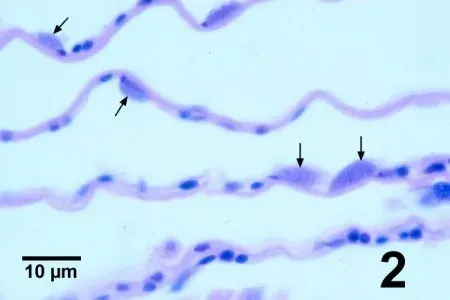
Description
How to identify
Rickettsia-like organisms (RLO) are gram-negative, non-culturable bacteria that act as obligate intracellular parasites, primarily inhabiting the xylem and phloem tissues of various plant species.
They are classified as prokaryotic microorganisms that lack a standard cell wall, often causing systemic vascular diseases that are difficult to treat with conventional agricultural fungicides.
In terms of biology, these organisms rely on insect vectors—specifically leafhoppers and spittlebugs—to transition from an infected host to a healthy plant during the feeding process.
The taxonomic position of these organisms has been widely debated, but they are generally grouped within the class Alphaproteobacteria, sharing characteristics with human-pathogenic Rickettsia species.
Since they reside deep within the vascular conducting elements, they are protected from many external environmental factors, which increases their persistence in the host plant throughout the growing season.
What it damages
The primary damage caused by RLO involves the blockage of the xylem vessels, which impairs water and mineral transport, leading to physiological drought even under well-irrigated conditions.
These pathogens are responsible for devastating agricultural diseases, including Pierce’s disease in grapes and various citrus greening-like syndromes, resulting in massive production losses.
Infected crops show a progressive decline in health, marked by stunted vegetative growth, reduced fruit quality, and poor yield stability over multiple harvest years.
Long-term impact includes the death of productive branches and potential total plant collapse, which necessitates the removal of infected vines or orchard trees to save surrounding plants.
The economic impact of these organisms is compounded by the high costs associated with rigorous vector control programs and the replacement of decimated commercial orchards.
Signs of infestation
Diagnostic symptoms often manifest as leaf scorch, where the margins of leaves turn brown and necrotic while the leaf veins remain green for a period of time.
Stunting of shoots and premature leaf drop are common visual indicators, often appearing in the mid-to-late summer as the plant's water demands reach their peak.
In some plants, the fruit may fail to ripen properly, showing uneven color development, reduced sugar content, and a general loss of marketable quality.
Vascular browning is a common internal symptom, which can be observed by cross-sectioning stems and petioles, indicating tissue death and blockage of the water-conducting system.
Because these signs can overlap with symptoms of other abiotic stresses, definitive identification usually requires molecular testing such as Polymerase Chain Reaction (PCR) assays.
Control measures
Management focuses heavily on the integrated pest management (IPM) of insect vectors, utilizing systematic insecticide applications to disrupt the transmission cycle.
Strict nursery sanitation and the use of RLO-free propagation material are essential preventative strategies to ensure that new plantings start free of infection.
Rouging, which involves the immediate identification and removal of infected plants, is critical to reduce the inoculum load within the agricultural environment.
Maintaining high plant vigor through proper fertilization and irrigation regimes can help improve a plant’s tolerance to the infection, although it does not serve as a cure.
Developing resistant varieties through breeding programs remains the most sustainable goal, providing long-term protection against these challenging vascular pathogens.
Causes diseases · 1
Discussion
No discussions yet — be the first.