
Rice transitory leaf yellowing virus
Rice transitory
Description
How to identify
The Rice transitory leaf yellowing virus is a significant plant pathogen belonging to the genus Nucleorhabdovirus, family Rhabdoviridae. The virus consists of bacilliform particles containing single-stranded RNA. It is classified as an obligate plant parasite that requires a specific vector for transmission within rice-growing ecosystems.
What it damages
The pathogen primarily infects the cultivated rice plant, Oryza sativa. By inducing a systemic infection throughout the plant tissues, the virus interferes with the host's physiological processes, most notably photosynthesis and nutrient transport. This interference leads to stunted plant growth and poor grain development.
When it appears
The life cycle of the virus is dependent on the green leafhopper Nephotettix nigropictus. The virus is acquired by the leafhopper during feeding on infected plants, after which it circulates and replicates within the vector. Transmission to healthy plants occurs when viruliferous insects feed on them, spreading the disease during the active growing season.
Signs of infestation
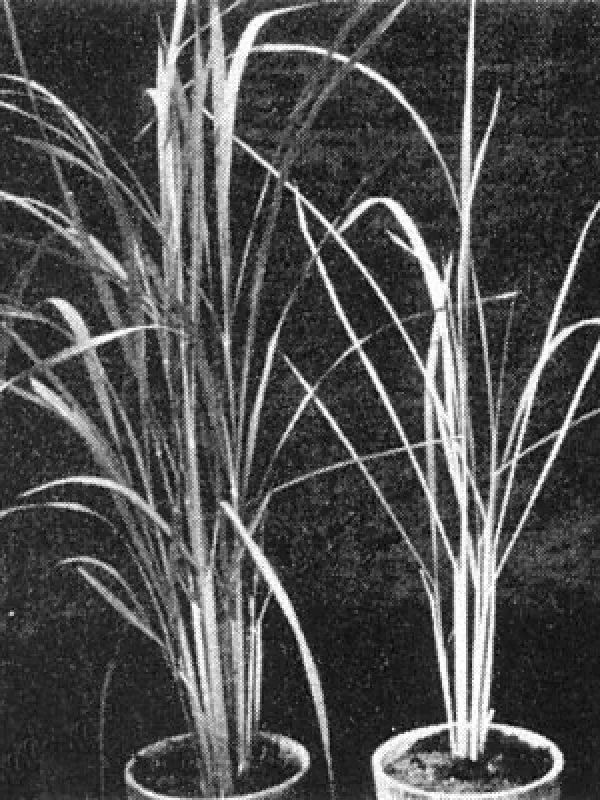
Symptoms are manifested through distinct yellowing of the leaves, which often starts from the tips and progresses downward. Infected rice plants exhibit severe stunting and significantly reduced tillering capacity. In many cases, the affected plants fail to produce panicles, leading to substantial yield losses in infected fields.
- Chlorotic yellowing of the leaves.
- Stunted plant development.
- Reduction in the number of tillers.
- Poor panicle formation and grain filling.
Control measures
Managing the disease is primarily achieved through the control of the vector population using systemic insecticides. Regular scouting for leafhoppers is crucial for determining the timing of pesticide applications to prevent initial colonization of the rice fields by infected insects.
Long-term protection strategies include the deployment of genetically resistant or tolerant rice varieties, which is the most sustainable approach to combat the virus. Additionally, farmers should practice good field sanitation, such as removing weeds that act as alternative hosts, and coordinating planting schedules to minimize the exposure of young seedlings to peak leafhopper populations.
Causes diseases · 1
Discussion
No discussions yet — be the first.