
Rice stripe
Rice stripe
Description
How to identify
Rice stripe is a viral disease caused by the Rice stripe virus (RSV), a member of the Tenuivirus genus. This virus is known for its systemic impact on various cereal crops.
RSV is an obligate parasite with a genome composed of single-stranded RNA. It relies entirely on its host and specific vector for survival and transmission within the environment.
The primary vector for the virus is the small brown planthopper, Laodelphax striatellus. The virus cannot spread in the field without the active participation of this insect.
Transmission occurs through the saliva of the planthopper during feeding. Furthermore, the virus exhibits transovarial transmission, meaning infected females pass the virus to their offspring, maintaining the reservoir.
Diagnostic confirmation is typically achieved through modern molecular techniques such as ELISA or PCR, which detect the presence of viral antigens or nucleic acids in infected leaf tissues.
What it damages
The primary host of the virus is rice (Oryza sativa), although it frequently affects other important cereal crops, including wheat, barley, and various types of millets.
The virus severely disrupts the plant's vascular system, hindering the transport of nutrients and water. This metabolic blockage leads to significant physiological stress and growth inhibition.
Infection significantly reduces the overall grain yield. Severely affected plants may produce empty panicles or poor-quality, shriveled grains, rendering them unsuitable for market.
Early-season infection is particularly devastating, as it can lead to total crop failure or the death of young seedlings before they reach the reproductive stage.
Beyond direct yield loss, the disease decreases the quality of straw and seed, impacting the overall economic viability of rice cultivation in endemic areas.
When it appears
The disease cycle is inherently linked to the seasonal migration and reproductive behavior of the Laodelphax striatellus planthopper.
Outbreaks often occur when migrating planthoppers colonize young rice fields during the early tillering phase. This timing aligns with the most vulnerable developmental stages of the rice plant.
Environmental conditions characterized by high humidity and moderate temperatures provide ideal conditions for the rapid multiplication of the vector population.
The virus persists between growing seasons by overwintering in perennial grasses and weeds, which act as reservoirs until the next planting season begins.
Fall migration involves the movement of the vector back to wild grasses, completing the yearly cycle of the pathogen and ensuring its survival for the next cycle.
Signs of infestation
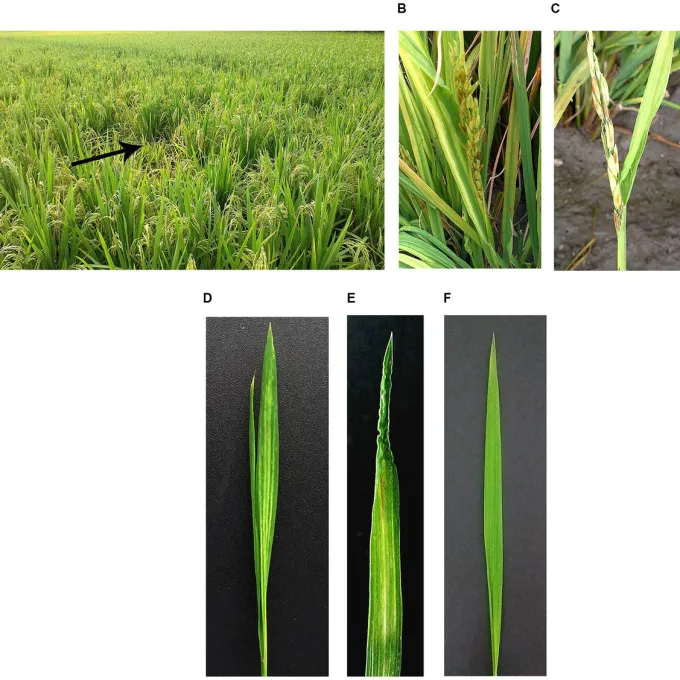
The most distinctive symptom is the development of yellow or pale chlorotic stripes along the leaf veins, which become increasingly visible as the disease progresses.
Stunting is a major clinical sign; infected plants are noticeably shorter than healthy plants in the same field. Tillering is often reduced, resulting in sparse, weak plant growth.
Leaves of infected plants often twist, curl, or droop, eventually turning necrotic. The plant takes on a ragged, unhealthy appearance as the virus spreads systemically.
Panicles of diseased plants are often malformed and may fail to emerge fully from the leaf sheath. This directly prevents pollination and grain formation.
- Chlorotic striping on leaves;
- Stunted growth and reduced vigor;
- Deformed panicles;
- Premature leaf necrosis;
- Failure to produce filled grain.
Control measures
The primary control strategy involves managing the population of the planthopper vector. Application of systemic insecticides during early crop stages is essential for prevention.
Developing and planting resistant or tolerant rice varieties is recognized as the most sustainable long-term solution for managing Rice stripe virus in large-scale farming.
Integrated pest management includes the removal of weeds around rice paddies, as these weeds serve as alternative hosts for both the virus and the planthopper.
Crop management practices, such as adjusting planting dates, can help misalign the timing of the most susceptible rice growth stages with the peak activity of planthoppers.
Continuous monitoring using sticky traps helps growers track vector populations, allowing for precise and timely intervention only when necessary, minimizing chemical usage.
Causes diseases · 1
Discussion
No discussions yet — be the first.