
Rice stem rot
Rice black
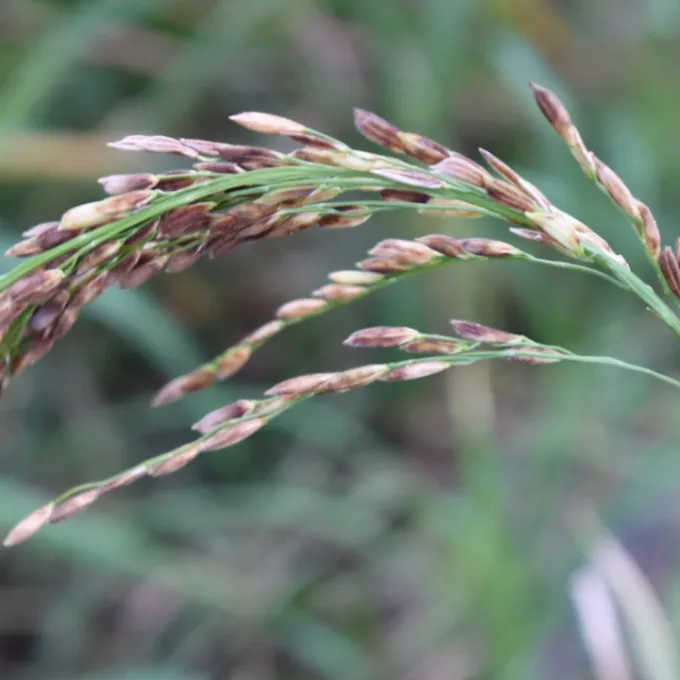
Description
How to identify
Rice stem rot is a fungal disease caused by the pathogen Magnaporthe salvinii (anamorph Sclerotium oryzae). It belongs to the family Magnaporthaceae and is one of the most persistent soil-borne pathogens in rice cultivation.
The fungus produces small, black sclerotia that function as the primary survival structures. These structures can survive in soil, stubble, and irrigation water for several seasons, making the disease difficult to eradicate.
What it damages
This pathogen specifically attacks the rice plant, primarily targeting the leaf sheaths and the stem tissue. By colonizing the base of the plant, the fungus disrupts the transport of nutrients and water.
Severe infestations result in lodging, where the weakened stems can no longer support the weight of the panicles. This leads to significant yield losses and reduces the quality of the harvested rice grains.
When it appears
The development of stem rot is favored by high humidity and warm temperatures, typically during the tillering to grain-filling stages. Stagnant irrigation water provides the perfect environment for the dissemination of sclerotia.
Outbreaks are most common in regions with prolonged hot, humid weather during the growing season. The pathogen thrives in paddy fields where the water circulation is poor or where the crop remains flooded for too long.
Signs of infestation
The initial symptom is the appearance of dark, irregular spots on the leaf sheaths near the water level. As the infection progresses, the fungus penetrates the inner stem tissue.
Inside the infected stems, characteristic black, mustard-seed-like sclerotia are clearly visible. Eventually, the infected plants lose their vigor, yellow prematurely, and exhibit signs of severe necrosis or total collapse.
Control measures
Integrated pest management is essential, starting with the destruction of crop debris after harvest to reduce the primary inoculum. Crop rotation is highly recommended to break the life cycle of the pathogen.
Management of water levels and avoiding excessive nitrogen fertilizer application can help keep the plants more resilient. Application of systemic fungicides during the early stages of infection can effectively limit the spread.
Causes diseases · 1
Discussion
No discussions yet — be the first.