
Ramularia leaf spot of primula
Ramularia primulae
Description
How to identify
Ramularia leaf spot is a fungal disease caused by the pathogen Ramularia primulae. This fungus belongs to the Ascomycota division and is a common threat to various primrose species, affecting their foliage health and overall vitality.
The pathogen primarily persists as mycelium or conidia in decaying plant debris on the soil surface. Under favorable environmental conditions, the fungus produces new spores that disseminate via wind, splash water, and contaminated tools.
What it damages
The disease primarily attacks primula plants. It is particularly damaging in commercial nurseries and home gardens where high planting density and high humidity create a perfect environment for the pathogen to thrive.
Severe infestations lead to significant leaf defoliation, which limits the plant's ability to photosynthesize. This results in stunted development, weakened root systems, and a drastic reduction in the plant's ornamental appeal.
When it appears
Outbreaks are most common during periods of moderate temperatures and high humidity, typically from late summer through autumn. Periods of persistent rainfall or heavy dew facilitate the rapid germination of conidia.
In greenhouse environments, the disease can occur at any time if the ventilation is poor and relative humidity remains consistently above 70-80%. Proper spacing is critical to minimize these risks.
Signs of infestation
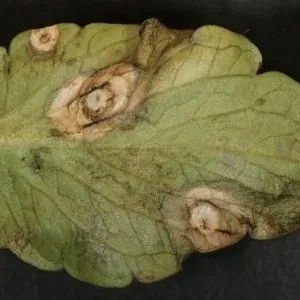
Symptoms initially appear as small, irregular yellow to brown spots on the upper leaf surface. Over time, these spots expand, often developing a white or grayish center due to the production of fungal spores.
The underside of the leaves often displays a fine, grayish mold-like growth, which is a hallmark of this infection. In advanced stages, these spots may merge, covering large areas and causing the leaf to wither and die.
Control measures
Cultural control is the first line of defense; this includes removing infected foliage immediately and cleaning up plant debris. Always ensure adequate air circulation around the plants to keep the foliage as dry as possible.
If chemical intervention is necessary, apply fungicides containing copper or systemic compounds such as triazoles or strobilurins. Always rotate fungicide classes to prevent the development of resistant strains of the fungus.
Discussion
No discussions yet — be the first.