
Ptychogaster
Ptychogaster
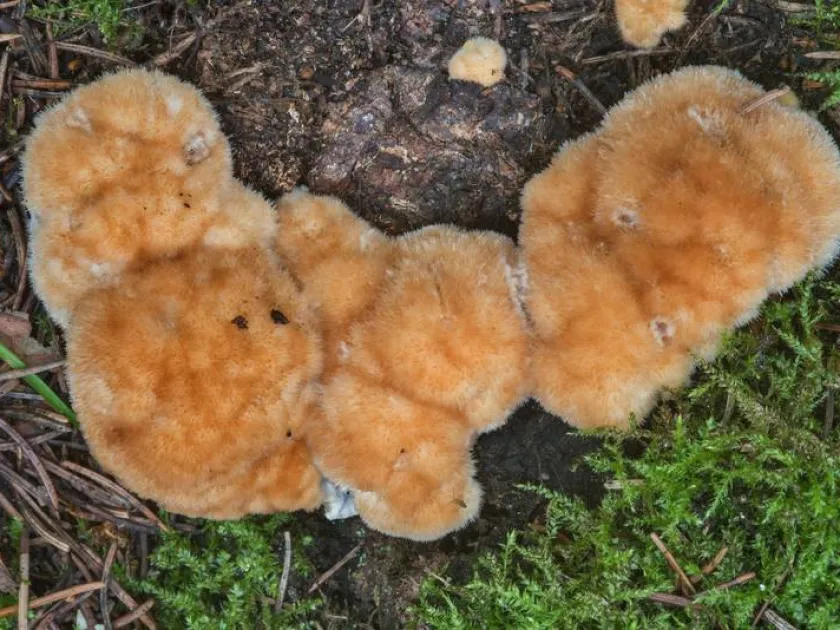
Description
How to identify
Ptychogaster is a genus of fungi belonging to the Basidiomycota phylum. Taxonomically, it is placed within the Polyporales order and often serves as the anamorphic (asexual) stage of various polypore fungi.
The pathogen acts as both a parasite and a saprotroph, causing significant decay in woody tissues. Morphologically, it often appears as cushion-like or amorphous sporocarps on the surface of infected wood.
Biologically, this genus is characterized by the rapid dispersal of spores, which are easily transported by wind or insects. The mycelium penetrates deep into the tree trunk, decomposing cellulose and lignin.
The life cycle includes an active vegetative stage of organic decomposition and a reproductive stage involving the formation of fruiting bodies. High humidity levels significantly enhance the reproductive potential of the fungus.
It is crucial for pathologists to recognize Ptychogaster as an indicator of underlying polypore infection, which simplifies diagnostic efforts in forest management.
What it damages
The primary hosts for this pathogen include various forest tree species and orchard trees. Weakened trees with existing bark damage are particularly susceptible to the initial fungal colonization.
The fungus causes severe brown or white rot, depending on the specific species involved. Infection typically initiates through the root system or wounds in the trunk where the bark is compromised.
In forest stands, the pathogen contributes to the degradation of old trees, compromising their structural integrity. In horticulture, it can lead to the rapid death of fruit trees by destroying their vascular system.
Infected wood loses its mechanical properties quickly, becoming brittle and unusable. This results in significant economic losses for both the timber industry and fruit production sectors.
Transmission occurs from infected to healthy trees through root contact or via spore dissemination during the growing season, especially in humid and warm climates.
Signs of infestation
The first signs of infection are often the appearance of spongy or powdery growths on the bark. These sporocarps can be cream-colored, yellowish, or brownish in appearance.
Wood tissue in affected areas becomes unusually soft and friable. When pressure is applied to these areas, the structure collapses, indicating advanced stages of internal rot.
Internal examination of the wood shows significant discoloration, often accompanied by dark zone lines that demarcate the fungal colony's expansion within the heartwood.
- Sporocarps emerging from bark cracks.
- Localized discoloration and swelling of the bark.
- Loss of leaf turgor and premature leaf drop.
- Structural failure and breakage of branches.
- Distinct fungal or musty odor from the wood.
In advanced cases, the canopy becomes sparse, and apical shoots begin to wither, indicating that the tree's internal water and nutrient transport pathways are severely compromised.
Control measures
Effective control measures include a combination of silvicultural and sanitary practices. The removal and destruction of infected trees are essential to prevent the spread of inoculum to healthy stands.
Mechanical wounds on trunks must be treated promptly by cleaning the damaged area and applying fungicidal pastes or sealants, such as copper-based solutions, to prevent spore entry.
Maintaining the overall vitality of the plantation through balanced fertilization and appropriate irrigation helps improve the trees' natural defense mechanisms against fungal penetration.
Chemical control can be achieved through fungicide applications during high-risk periods to inhibit spore germination on the bark surface, though prevention remains the most effective strategy.
Continuous monitoring of forest and orchard areas, alongside the removal of stumps and deadwood, significantly reduces the environmental reservoir of the pathogen.
Causes diseases · 1
Discussion
No discussions yet — be the first.