
Alfalfa crown wart
Physoderma alfalfae
Description
How to identify
Alfalfa crown wart is caused by the fungus-like pathogen Physoderma alfalfae (synonym Urophlyctis alfalfae), classified within the phylum Chytridiomycota. This obligate parasite depends heavily on high moisture levels to complete its infection cycle.
The pathogen survives in the soil as resting spores (zoosporangia) that are remarkably resistant to environmental stressors. These spores can remain viable in the soil for several years, making the disease difficult to eradicate once established.
Biologically, the organism requires wet soil conditions to release motile zoospores that infect the crown and lower stems of the alfalfa plant. The infection process is characterized by the formation of galls caused by abnormal cell division.
It is a host-specific pathogen, meaning it primarily affects Medicago sativa. The persistence of the pathogen in the soil makes it a long-term challenge for producers focusing on high-density alfalfa stands.
Systemically, the disease is classified as a crown and stem gall-inducing pathology, which disrupts the fundamental physiological functions of the host plant.
What it damages
The primary host for Physoderma alfalfae is alfalfa (Medicago sativa). The damage is concentrated in the crown area and the subterranean portions of the stems, which are in direct contact with the soil.
The disease causes significant gall formation that acts as a physical barrier, restricting the translocation of water and essential nutrients from the roots to the shoots. This leads to stunting and premature death of the affected plant parts.
Economic damage occurs through the thinning of the crop stand. Severely infected plants are unable to sustain regrowth after harvests, leading to reduced forage yield and lower field longevity.
Infected stands often struggle to survive winter dormancy, especially in regions with heavy, waterlogged soils. This vulnerability reduces the effective production lifespan of the alfalfa field by several years.
Furthermore, the presence of these galls weakens the plant's structural integrity, making it more susceptible to secondary soil-borne pathogens and environmental stresses such as drought.
Signs of infestation
The most visible symptom of crown wart is the development of irregular, knobby galls on the crown and the base of the stems. Initially, these galls are light-colored and soft but eventually turn brown or black as they mature.
Above-ground, affected plants appear chlorotic and stunted. In warm, dry weather, these plants may wilt because their damaged crown cannot pull enough water from the soil to meet the transpiration demands of the foliage.
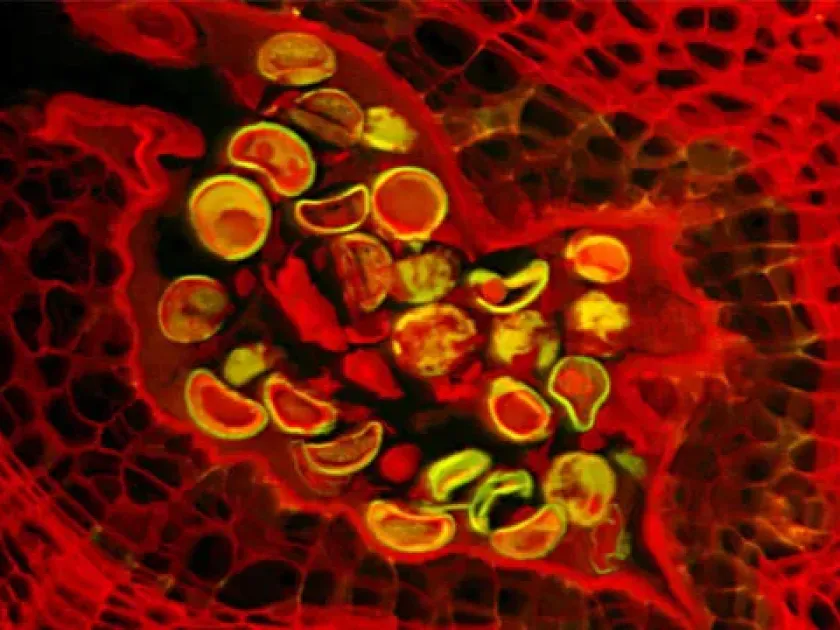
Internally, the galls are composed of disorganized tissue harboring millions of microscopic spores. When the tissue eventually decays, these spores are released back into the soil to perpetuate the disease cycle.
Fields often show patchy distribution of infected plants, which appear shorter and less vigorous than the surrounding healthy alfalfa. This visual discrepancy is usually more pronounced during periods of active growth.
Diagnosis is confirmed by examining the crown area for the characteristic warty, tumor-like growths that distinguish this disease from other root-rotting pathogens.
Control measures
The most effective management strategy is the use of resistant alfalfa varieties. Modern breeding programs focus on developing cultivars that can withstand Physoderma alfalfae infection under varying field conditions.
Implementing a rigorous crop rotation schedule is essential. It is recommended to keep a gap of at least 4 to 5 years between alfalfa crops to reduce the concentration of resting spores in the soil.
Field drainage improvement is a critical cultural practice. Since the pathogen requires free water to move and infect the crown, ensuring that the field does not remain waterlogged significantly decreases disease pressure.
Avoiding over-irrigation and minimizing soil compaction help keep the crown area dry and less favorable for the pathogen's development during the growing season.
- Ensure cleaning of farm machinery moving from infested to clean fields.
- Use certified, high-quality seed to prevent the introduction of the pathogen into new areas.
- Monitor low-lying areas of the field where water collects, as these are primary infection hotspots.
Causes diseases · 1
Discussion
No discussions yet — be the first.