
Phytophthora cinnamomi
Phyophthora cinnamomi
Description
How to identify
Phytophthora cinnamomi belongs to the kingdom Chromista, phylum Oomycota, and class Oomycetes. It is an oomycete, often referred to as a water mold, which acts as a devastating plant pathogen.
The organism is notorious for being a generalist pathogen, capable of infecting over 4,000 different plant species globally. It is widely considered one of the most significant environmental threats to plant biodiversity.
Identification of the pathogen generally requires laboratory confirmation. Scientists use baiting techniques with plant tissues or DNA-based diagnostics like PCR to confirm its presence in soil samples.
Under microscopic analysis, the pathogen displays distinct structures, such as sporangia and motile zoospores equipped with flagella, which allow it to navigate through moist soil environments.
The pathogen is highly resilient, capable of forming thick-walled chlamydospores that allow it to remain dormant in the soil for several years, ensuring long-term survival under harsh conditions.
What it damages
The primary damage caused by Phytophthora cinnamomi is the destruction of fine feeder roots. This prevents the plant from absorbing necessary water and minerals, leading to systemic physiological collapse.
Economically significant crops such as avocados, pineapples, and various forest trees like eucalyptus are highly susceptible, leading to massive yield losses and plantation failures.
Ornamental horticulture, particularly with ericaceous plants like rhododendrons and azaleas, suffers significantly due to the rapid decline and death of nursery stocks when exposed to this pathogen.
In natural forest ecosystems, the pathogen causes extensive dieback, altering forest structure and reducing habitat suitability for native fauna, which creates a negative cascading effect on ecosystems.
Once established in a field or garden, the pathogen is nearly impossible to eradicate completely, often rendering the land unsuitable for future cultivation of sensitive plant species.
When it appears
The development of the pathogen is highly dependent on environmental conditions, with peak activity occurring during warm weather when temperatures range from 15 to 30 degrees Celsius.
High soil moisture is the critical trigger for infection. Zoospores require water-saturated soil to swim through the soil pores and locate the root tips of susceptible hosts.
Late spring and autumn, characterized by heavy rainfall, provide the most favorable environment for the rapid dispersal of spores through water runoff and irrigation systems.
While activity slows during cooler or drier periods, the pathogen does not disappear; it retreats into a dormant state, waiting for the return of favorable moisture and temperature levels.
The life cycle is characterized by rapid sporulation, allowing the pathogen to produce generations of zoospores that can exponentially increase the infection pressure in a short time.
Signs of infestation
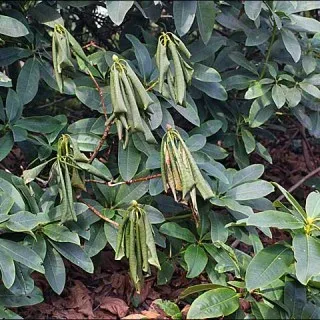
Symptoms often appear as gradual wilting of the foliage, followed by chlorosis (yellowing) and eventual necrosis. The plant may appear thirsty even when soil moisture is adequate.
The root system becomes severely compromised; white, healthy roots turn dark brown or black, showing signs of decay and loss of structural integrity due to the infection.
Affected trees may exhibit thinning crowns, premature leaf drop, and dieback of branches. In severe cases, the entire plant can collapse within a single growing season.
In some woody hosts, lesions or cankers may develop on the lower trunk, sometimes oozing sap or resin, indicating that the pathogen has moved from the roots into the base of the plant.
Lack of new growth, stunting, and a generally depressed appearance are common early indicators that the root system is failing to support the plant's metabolic needs.
Control measures
Effective management focuses on prevention, such as strict quarantine of new stock and sourcing plants only from nurseries with certified pathogen-free programs.
Improving soil drainage is essential, as eliminating waterlogging prevents the zoospores from swimming and effectively limits the spread of the infection within the garden.
- Application of phosphite-based fungicides to protect sensitive plants and reduce the impact of infection.
- Sanitation of footwear, tools, and heavy machinery to prevent the transfer of infested soil between different locations.
- Use of resistant rootstocks to provide a degree of tolerance against the pathogen in perennial crops.
Biological control methods, including the addition of organic matter to improve soil health and suppress pathogen activity, can assist in building a more resilient rhizosphere.
If an infestation is detected, removal of infected plants along with their entire root ball is critical, followed by solarization or chemical treatment of the contaminated soil.
Causes diseases · 1
Discussion
No discussions yet — be the first.